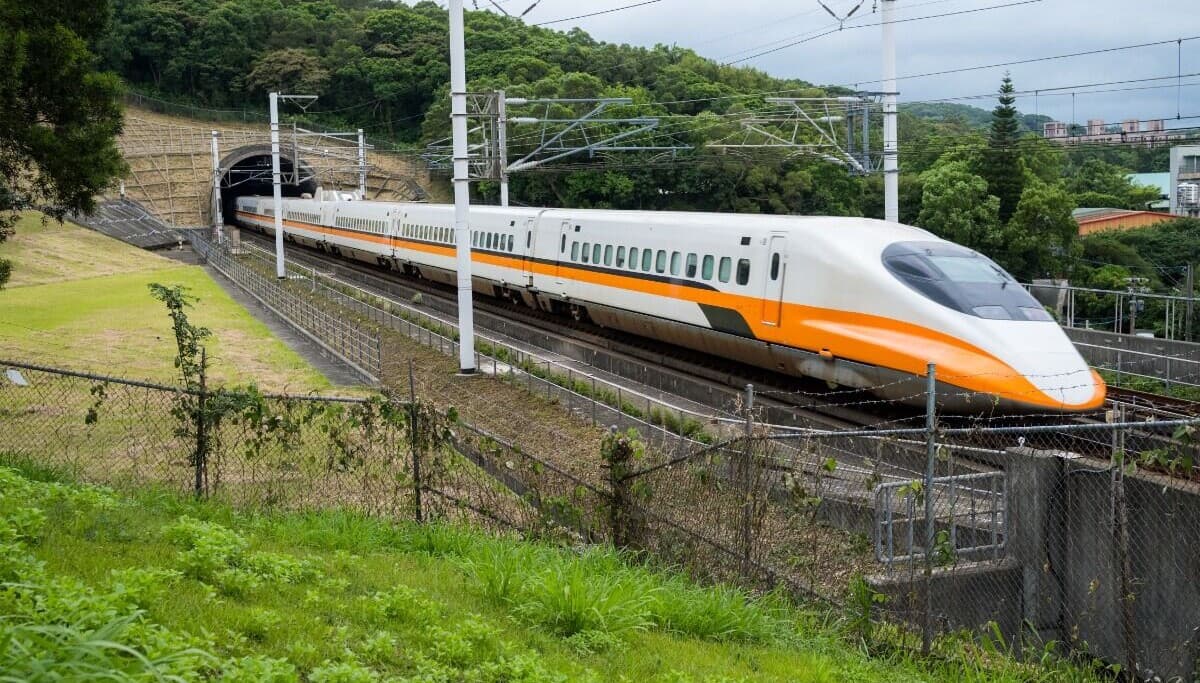
Taiwan Cops Say Student's Radio Kit Brought Bullet Trains to a Standstill

Why It Matters
The incident exposes a critical vulnerability in railway communication networks, prompting operators worldwide to reassess security controls for emergency signaling systems.
Key Takeaways
- •Student used SDR equipment to clone TETRA General Alarm signal
- •48‑minute disruption halted three high‑speed trains in Taiwan
- •Police seized seven radios, laptop, two smartphones, and SDR filter
- •Bail set at NT$100,000 (~$3,180) after arrest
- •THSR confirmed protocol forced manual train stops per emergency plan
Pulse Analysis
The Taiwan high‑speed rail breach underscores how legacy communication protocols like TETRA, originally designed for reliable voice traffic, can become attack vectors when paired with inexpensive software‑defined radio (SDR) tools. Hobbyist‑level equipment can capture, decode, and replay critical safety signals, effectively turning a civilian‑grade device into a weapon against transportation systems. This convergence of radio hobbyist culture and critical infrastructure exposes a gap in traditional cybersecurity defenses, which often focus on IT networks rather than radio frequency (RF) layers.
Rail operators globally are now forced to confront the reality that emergency signaling—once considered a closed, air‑gapped system—must be hardened against RF spoofing. Upgrading to encrypted, authentication‑enabled TETRA or migrating to newer digital radio standards can mitigate cloning attacks, but such transitions involve significant capital expenditure and operational downtime. In the interim, procedural safeguards, such as multi‑factor verification before triggering General Alarms, can reduce false activations. Regulators may also mandate periodic RF penetration testing to ensure that vulnerabilities are identified before malicious actors exploit them.
Beyond rail, the incident serves as a cautionary tale for any sector relying on wireless control signals, from utilities to aviation. The democratization of SDR technology means that motivated individuals can experiment with signal manipulation at low cost, blurring the line between hobbyist curiosity and criminal intent. Policymakers should consider establishing clear guidelines for the sale and export of advanced SDR kits, while industry groups develop best‑practice frameworks for securing mission‑critical RF communications. By addressing both technical and regulatory dimensions, the risk of similar disruptions can be substantially lowered.
Taiwan cops say student's radio kit brought bullet trains to a standstill
Comments
Want to join the conversation?
Loading comments...