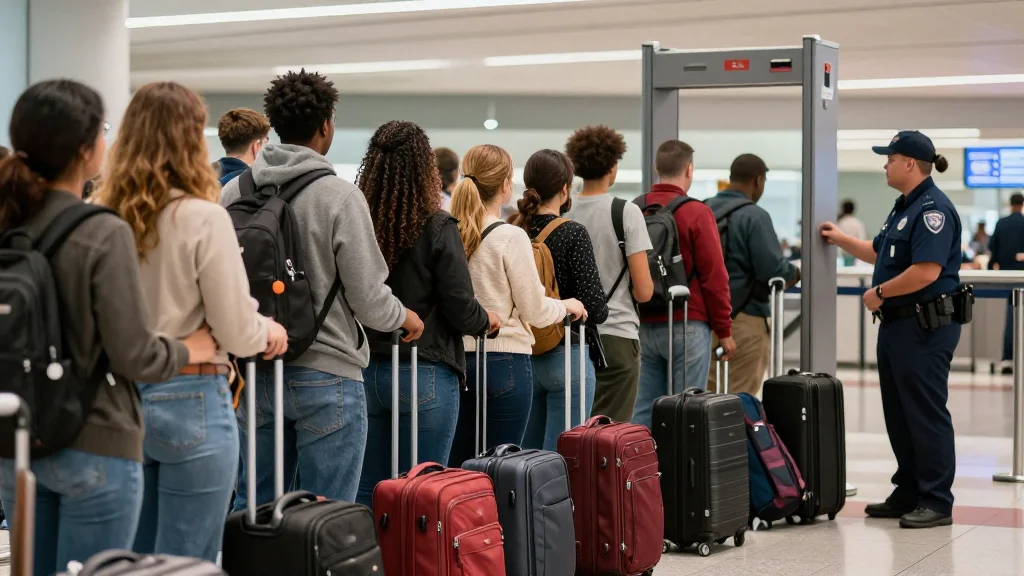
Take a Look at These Chaotic TSA Lines Across the US
Why It Matters
Extended security delays erode passenger confidence, increase operational costs for airlines, and threaten the overall efficiency of the U.S. aviation system. Prompt resolution is essential to safeguard revenue streams and maintain the country’s reputation as a reliable travel hub.
Key Takeaways
- •Government shutdown cuts TSA staffing by 15%.
- •Average security wait times rose to 45 minutes.
- •Airlines report increased passenger complaints and missed connections.
- •DOT urges emergency funding to restore checkpoint operations.
- •Travelers consider alternative airports or travel dates.
Pulse Analysis
The current shutdown stems from a budget impasse that halted funding for several federal agencies, including the TSA, which relies on congressional appropriations to maintain its workforce. With roughly 60,000 officers furloughed or working reduced hours, airports have been forced to operate with skeletal crews, stretching security lanes and compromising the speed of passenger processing. This staffing shortfall highlights the vulnerability of critical infrastructure to political gridlock, prompting industry observers to call for more resilient funding mechanisms that can insulate essential services from future shutdowns.
Airlines are feeling the ripple effects of the security slowdown. Flight schedules are being adjusted to accommodate longer turnaround times, while customer service centers are inundated with calls about missed flights and delayed itineraries. The cumulative impact translates into higher operational costs, as carriers must rebook passengers, provide accommodations, and sometimes offer compensation. Passengers, in turn, are altering travel behavior—opting for off‑peak flights, choosing airports with historically shorter lines, or even postponing trips altogether. This shift could depress demand for certain routes and strain revenue projections for airlines that depend on high‑volume, time‑sensitive traffic.
Policymakers are now weighing short‑term fixes against longer‑term reforms. The Department of Transportation has appealed for an emergency appropriations bill to fund temporary TSA hires and overtime, while some lawmakers propose a dedicated, multi‑year security funding stream that would bypass annual budget battles. Industry groups argue that a stable financing model would not only smooth operations during political disruptions but also enable investment in technology upgrades, such as advanced screening equipment and AI‑driven risk assessment tools. Ultimately, resolving the current crisis will require swift congressional action and a strategic rethink of how the nation finances its critical transportation security infrastructure.
Take a look at these chaotic TSA lines across the US
Comments
Want to join the conversation?
Loading comments...