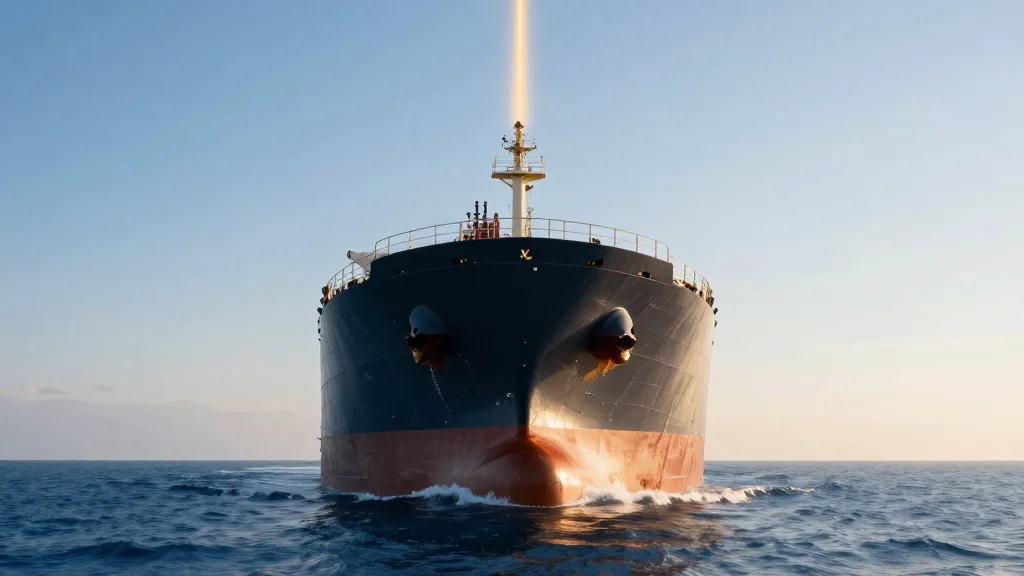
Tanker Market at ‘Optimal’ Disruption Level as Premiums May Not Keep up with Rates
Why It Matters
The gap between equity prices and asset values raises overvaluation risk for investors and could tighten financing for tanker owners. It also highlights a broader market imbalance that may trigger a correction if charter rates continue to outpace premiums.
Key Takeaways
- •VLCC resale values estimated at $240 million, topping 2008 peak
- •VesselsValue values VLCCs at $164 million, 30% lower than market premium
- •Share prices of listed tanker owners outpace underlying asset valuations
- •Analyst warns premiums may lag rising charter rates, risking correction
Pulse Analysis
The crude‑tanker segment has entered a rare phase where market sentiment is inflating equity valuations faster than the physical assets they represent. A 30‑40% premium on owners translates to a VLCC resale price near $240 million, eclipsing the $164 million benchmark from VesselsValue and surpassing the all‑time high recorded in 2008. This premium reflects heightened investor appetite for exposure to volatile freight markets, yet it also introduces a pricing distortion that can obscure the true health of balance sheets.
For shipowners and financiers, the widening gap between share prices and vessel valuations raises red flags. Equity investors may be betting on future charter rate growth, but lenders and rating agencies still anchor risk assessments to tangible asset values. ABG Sundal Collier’s cautionary note underscores the potential for a market correction if charter rates rise faster than the premium can adjust, which could strain refinancing plans and depress stock performance across the sector.
Looking ahead, the tanker market’s trajectory will hinge on supply‑demand dynamics, regulatory shifts, and macro‑economic factors influencing oil transport volumes. If charter rates sustain their upward momentum, premiums may eventually catch up, restoring alignment between equity and asset valuations. Conversely, a slowdown in freight demand or an oversupply of VLCCs could accelerate a pull‑back in premiums, prompting investors to reassess exposure. Stakeholders should monitor freight indices, vessel orderbooks, and financing terms to gauge the durability of the current premium environment.
Tanker market at ‘optimal’ disruption level as premiums may not keep up with rates
Comments
Want to join the conversation?
Loading comments...