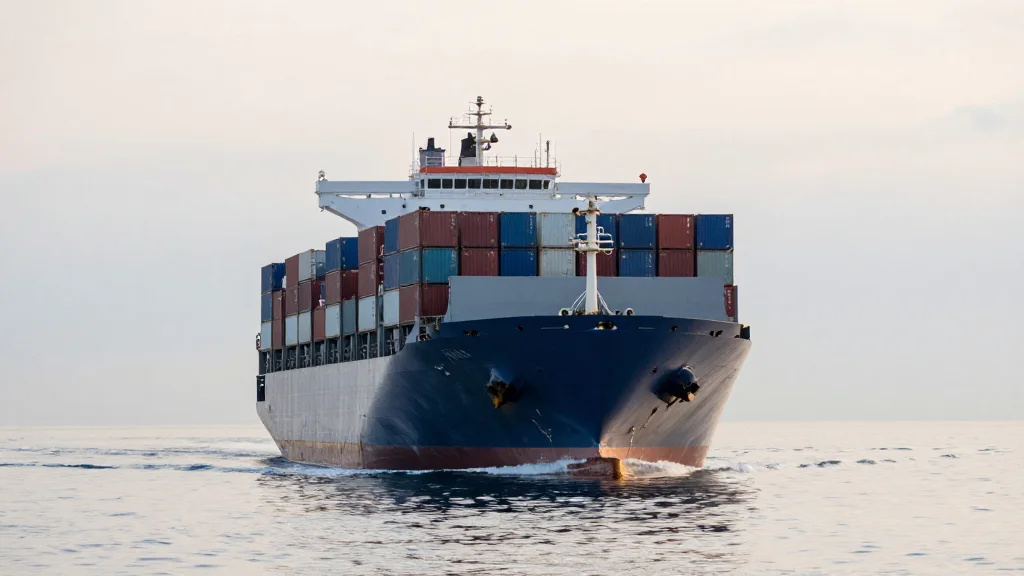
Tanker Owners Face Lack of Physical Cargo Amid Strait of Hormuz Crisis
Why It Matters
Reduced cargo availability erodes spot earnings and pressures profit margins for tanker operators, signaling broader risk for the global oil transport market.
Key Takeaways
- •VLCCs, suezmaxes, aframaxes now largely sailing ballast
- •Crude exports fell 19% amid Hormuz tensions
- •Refined product shipments dropped 11% globally
- •Spot freight rates risk compression due to cargo scarcity
- •Middle East supply constraints pressure tanker owners' earnings
Pulse Analysis
The strategic chokepoint of the Strait of Hormuz has entered a new phase of volatility, as regional tensions have forced many oil producers to curtail shipments. Analysts note that the narrow waterway, which handles roughly a third of global petroleum trade, is now a bottleneck that discourages cargo owners from committing vessels. The uncertainty has prompted charterers to delay loading decisions, leading to a sharp contraction in seaborne crude and refined product exports. Recent data from Singapore brokers show a 19% drop in crude and an 11% fall in product movements compared with the same period last year.
For tanker owners, the immediate consequence is a surge in ballast voyages. Sentosa Ship Brokers reports that the majority of VLCCs, suezmaxes and aframaxes are now sailing empty, eroding the lucrative spot earnings that typically offset long‑term time charter contracts. With fewer cargoes to fill, spot freight rates have begun to compress, threatening profit margins across the ultra‑large and mid‑size segments. The imbalance also intensifies competition for the limited cargoes that do become available, driving down freight premiums and prompting operators to reassess fleet deployment strategies.
Looking ahead, the market will likely remain sensitive to any escalation or de‑escalation in the Hormuz corridor. Should diplomatic channels ease, a rebound in Middle East oil flows could quickly revive demand for tankers, restoring spot rate strength. Conversely, prolonged disruptions may accelerate the shift toward alternative routes such as the Cape of Good Hope, reshaping global shipping patterns and encouraging owners to diversify vessel types. Investors and ship operators alike are monitoring geopolitical developments closely, as the next few weeks could set the tone for tanker earnings through the remainder of 2026.
Tanker owners face lack of physical cargo amid Strait of Hormuz crisis
Comments
Want to join the conversation?
Loading comments...