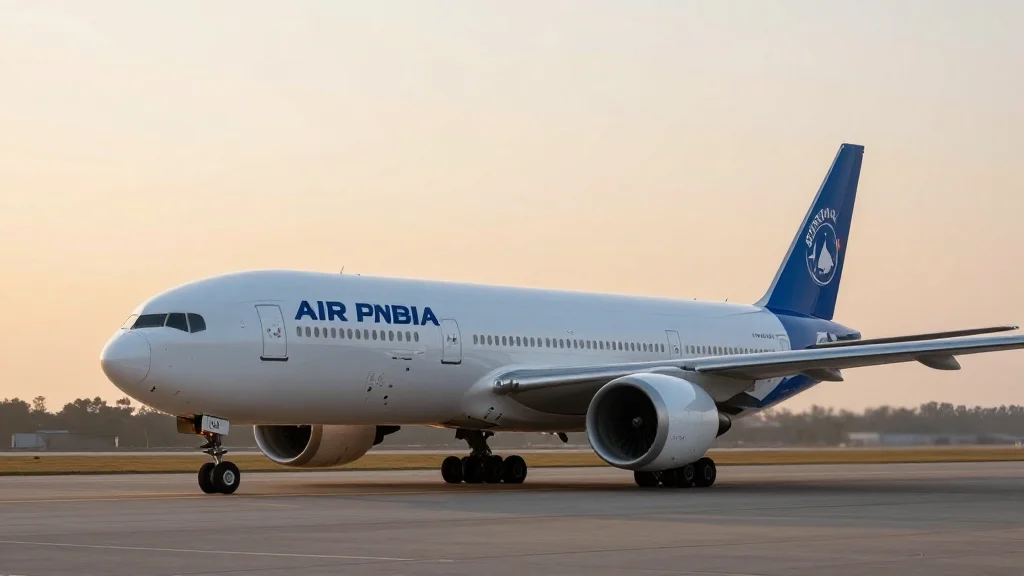
Tata Group Chair Tells Workers Air India Faces Challenging Time
Why It Matters
Air India's struggles jeopardize Tata's ambition to build a global carrier and could reshape competition in India's rapidly growing aviation market. The outcome will influence investor confidence and the broader airline industry's recovery trajectory.
Key Takeaways
- •Air India reports its widest‑ever annual loss amid integration costs.
- •CEO Campbell Wilson is set to leave as turnaround stalls.
- •Fuel price spikes and banned Pakistani airspace raise operating expenses.
- •Merger with Vistara adds complexity, delaying recovery plans.
- •Tata Group reaffirms commitment, pledging board support for Air India.
Pulse Analysis
Since Tata Sons acquired Air India in 2022, the carrier has been positioned as the flagship of the conglomerate’s aviation push, especially after the 2024 merger with Vistara that created a single domestic network. The integration, however, has generated steep one‑time costs and cultural friction, pushing the airline to its widest‑ever annual loss, according to internal data disclosed in April 2026. The financial strain is compounded by the pending departure of CEO Campbell Wilson, raising questions about leadership continuity as the group seeks to deliver a multiyear turnaround.
Operational headwinds are equally severe. A fatal crash earlier this year eroded passenger confidence, while surging jet fuel prices—driven by geopolitical tensions—have inflated unit costs. Additionally, the closure of Pakistani airspace forces longer routes over the Middle East, extending flight times on lucrative US and European sectors. These factors diminish Air India’s competitive edge against rivals such as IndiGo and Emirates, whose cost structures and network efficiencies remain tighter. The airline’s reliability issues further strain its brand, threatening the recovery of load factors and yields.
Despite the turbulence, Tata Group has signaled unwavering support. Chairman Natarajan Chandrasekaran emphasized that the board will stay engaged and that the group’s long‑term vision for a global carrier remains intact. Analysts suggest that disciplined cost‑control, accelerated fleet modernization, and a sharper focus on high‑margin routes could restore profitability. If Tata can align Vistara’s digital capabilities with Air India’s legacy network, the combined entity may capture a larger share of outbound traffic from India. The next quarter will reveal whether the strategic adjustments can halt the loss trajectory.
Tata Group chair tells workers Air India faces challenging time
Comments
Want to join the conversation?
Loading comments...