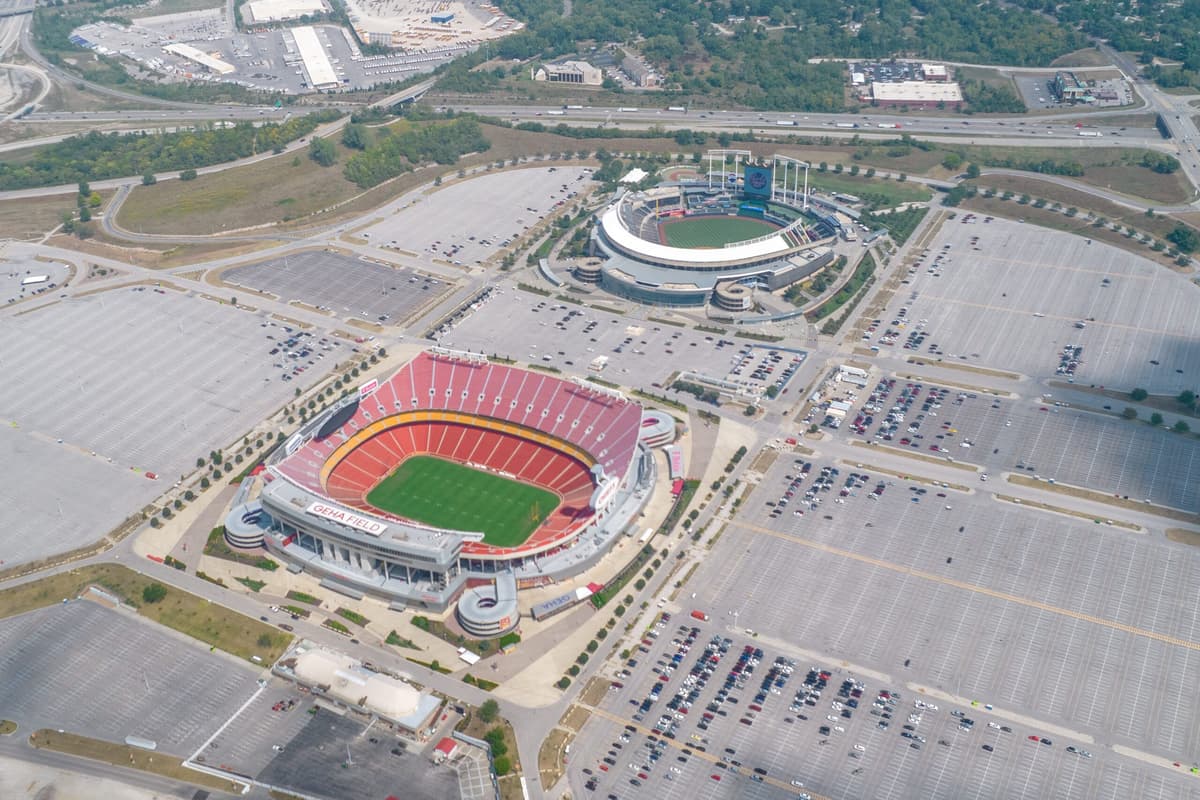
TECH PROFILE: How Simulation Helps Cities Deliver Safe and Seamless Mega Events
Why It Matters
Accurate simulation and live traffic intelligence enable cities to protect public safety, maintain reputation and optimize transport efficiency for events that draw millions, directly impacting economic and operational outcomes.
Key Takeaways
- •PTV’s multimodal simulation models vehicles, pedestrians, cyclists, and transit
- •Stockholm test identified bottlenecks, prompting extra screening zones
- •Real-time PTV Flows turns scenario data into live traffic management
- •2014 World Cup simulations cut evacuation times at Maracanã
- •‘Sofa‑to‑seat’ approach maps fan journey from parking to stadium seat
Pulse Analysis
Mega‑sporting events strain urban mobility systems in ways ordinary days never do, forcing planners to anticipate sudden surges across every transport mode. Multimodal simulation platforms like PTV Vissim and Viswalk create a virtual replica of the city, allowing officials to test "sofa‑to‑seat" scenarios where fans move from parking lots, rail stations, and sidewalks to stadium seats. By treating each vehicle, pedestrian and cyclist as an autonomous agent, these tools reveal hidden interactions—such as how a congested drop‑off zone can ripple into metro platform crowding—well before the first whistle blows.
Real‑world case studies validate the technology’s impact. In Stockholm, a WSP‑led simulation of 45,000 visitors exposed choke points at security checkpoints and metro access, prompting the addition of screening lanes and increased train frequency. During the 2014 Brazil World Cup, Viswalk identified undersized exit ramps at the Maracanã, leading to structural modifications that brought evacuation times within international standards. These interventions not only safeguard spectators but also avoid expensive retrofits and potential liability, underscoring simulation’s role as a cost‑effective risk‑mitigation tool.
The next evolution blends pre‑event scenario planning with live‑time operational intelligence. PTV Flows ingests historical patterns and real‑time sensor data to flag emerging congestion, enabling traffic managers to adjust signal timings, prioritize public transit or disseminate traveler alerts on the fly. This dynamic feedback loop transforms static plans into adaptive strategies, ensuring cities can react instantly to unforeseen disruptions. As the 2026 World Cup approaches, the convergence of high‑fidelity simulation and real‑time analytics will become a benchmark for any city aiming to host safe, seamless mega events.
TECH PROFILE: How simulation helps cities deliver safe and seamless mega events
Comments
Want to join the conversation?
Loading comments...