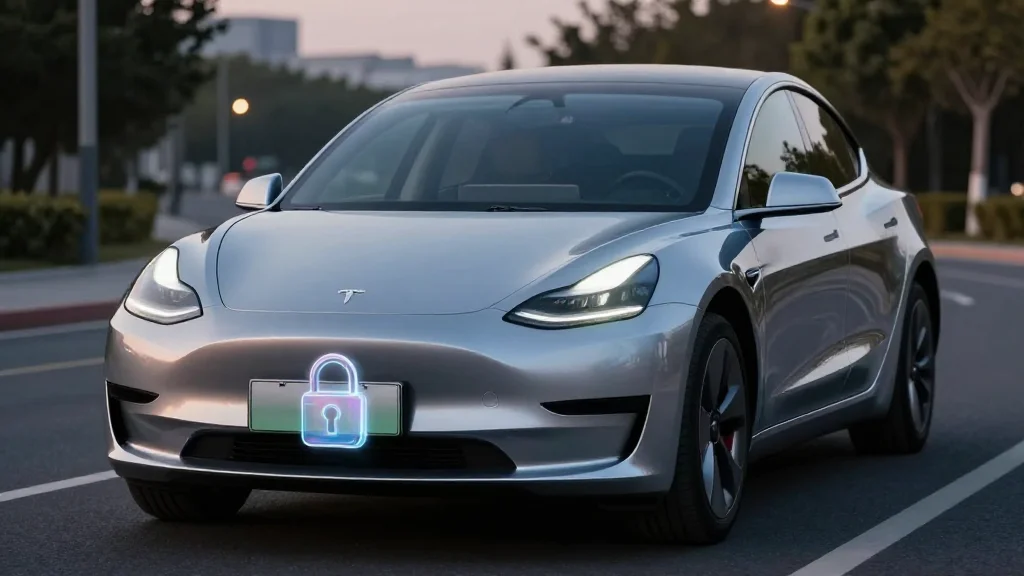
Tesla Cracks Down on FSD Hacking Devices, Remotely Shuts Down Access
Why It Matters
The crackdown highlights Tesla’s control over software‑defined features and underscores the legal and safety risks of unapproved driver‑assist modifications, affecting consumer trust and market rollout strategies.
Key Takeaways
- •Tesla remotely disables FSD on hacked vehicles
- •Unauthorized CAN‑bus modules cost about €500
- •South Korea threatens up to two years prison
- •Owners lose warranties and liability for accidents
- •Hack devices proliferate due to delayed regional approvals
Pulse Analysis
The surge of inexpensive CAN‑bus modules reflects a growing frustration among Tesla owners in markets where Full Self‑Driving remains unapproved. European regulators have repeatedly delayed certification, leaving drivers paying for a feature that cannot be legally activated. Hackers exploit the vehicle’s infotainment interface to inject a hardware key that tricks Tesla’s software into believing the car meets regional requirements, creating a gray market that thrives on regulatory inertia.
Tesla’s response leverages its over‑the‑air capabilities to scan vehicle logs, identify unauthorized hardware, and permanently strip FSD access. By resetting affected cars to standard Autopilot, the company not only protects its liability but also enforces warranty terms, warning owners they bear full responsibility for any incidents. This aggressive stance raises questions about ownership rights in a software‑defined vehicle ecosystem, where a purchased feature can be revoked without notice, reshaping the consumer‑manufacturer contract.
Beyond immediate enforcement, the episode signals broader industry implications. Automakers must balance rapid feature deployment with compliance, while regulators grapple with enforcing safety standards on digitally mutable platforms. Tesla’s actions may accelerate pressure on European agencies to finalize approvals, but they also risk eroding trust among customers who feel penalized for seeking promised functionality. As subscription models expand, transparent timelines and clear ownership definitions will become critical to maintaining brand credibility and avoiding similar confrontations worldwide.
Tesla cracks down on FSD hacking devices, remotely shuts down access
Comments
Want to join the conversation?
Loading comments...