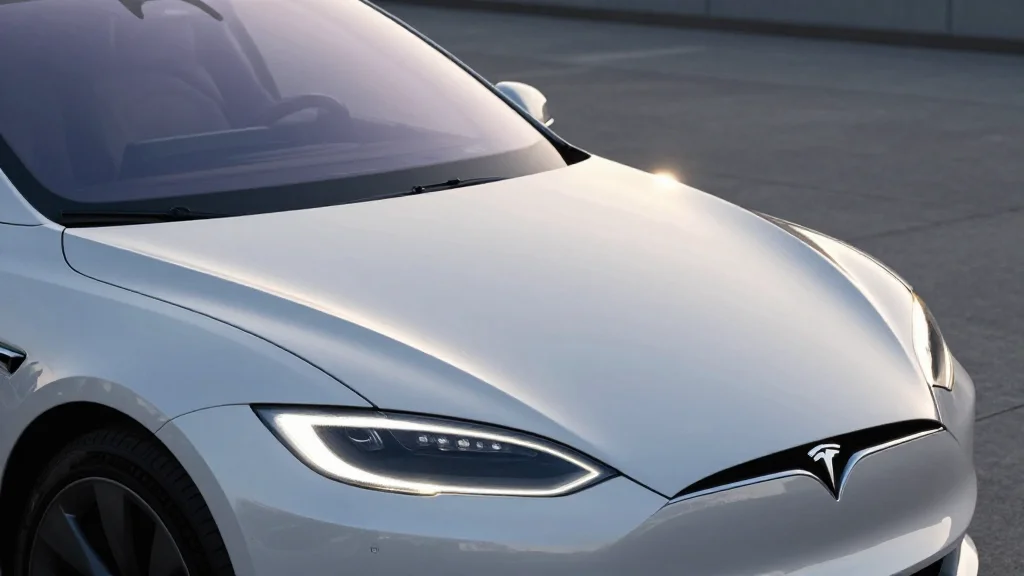
Tesla Is Killing The Model S. But Its Legacy Is Everywhere
Companies Mentioned
Why It Matters
The Model S proved that an EV could be a premium, high‑performance product, forcing legacy automakers to accelerate software‑centric design and long‑range capabilities. Its discontinuation signals Tesla’s shift toward newer, more affordable models while its innovations remain industry standards.
Key Takeaways
- •Model S ran 14 years, outlasting typical auto lifecycles.
- •Tesla continuously upgraded hardware, software, cutting parts from 5,000 to 3,000.
- •First EV with 265‑mile range set new long‑distance benchmark.
- •Introduced flush door handles, giant touchscreen, and over‑the‑air updates.
- •Model S legacy drives industry shift toward software‑centric, premium EVs.
Pulse Analysis
The Model S’s longevity is a case study in platform elasticity. Rather than launching successive generations, Tesla treated the sedan as a rolling development project, swapping batteries, drive units and infotainment hardware while keeping the same chassis. This approach slashed engineering cycles and allowed rapid feature diffusion, a strategy now echoed in software‑first automakers that push OTA updates to extend vehicle lifespans. By reducing part counts from about 5,000 to 3,000, Tesla also streamlined supply chains, cutting costs and improving reliability—an advantage that rivals are scrambling to replicate.
Beyond its engineering feats, the Model S redefined consumer expectations for electric mobility. Its 265‑mile EPA rating in 2012 shattered the myth that EVs were limited to city commutes, proving that long‑distance travel was feasible without sacrificing performance. The car’s acceleration, spacious interior and premium feel positioned electric vehicles as aspirational products, prompting legacy brands to invest heavily in high‑range platforms and performance variants. This shift accelerated the rollout of fast‑charging networks, as automakers recognized that range anxiety could only be mitigated by a robust infrastructure.
The ripple effects of the Model S are evident in today’s automotive landscape. Flush door handles, large central touchscreens and seamless OTA software updates have become baseline features across new models, from luxury sedans to mass‑market SUVs. Tesla’s decision to retire the Model S now signals a strategic pivot toward more affordable, compact EVs that will inherit its software architecture. As the industry chases the Model S playbook, the next wave of vehicles will likely blend cost efficiency with the same premium experience that made the original sedan a benchmark for innovation.
Tesla Is Killing The Model S. But Its Legacy Is Everywhere
Comments
Want to join the conversation?
Loading comments...