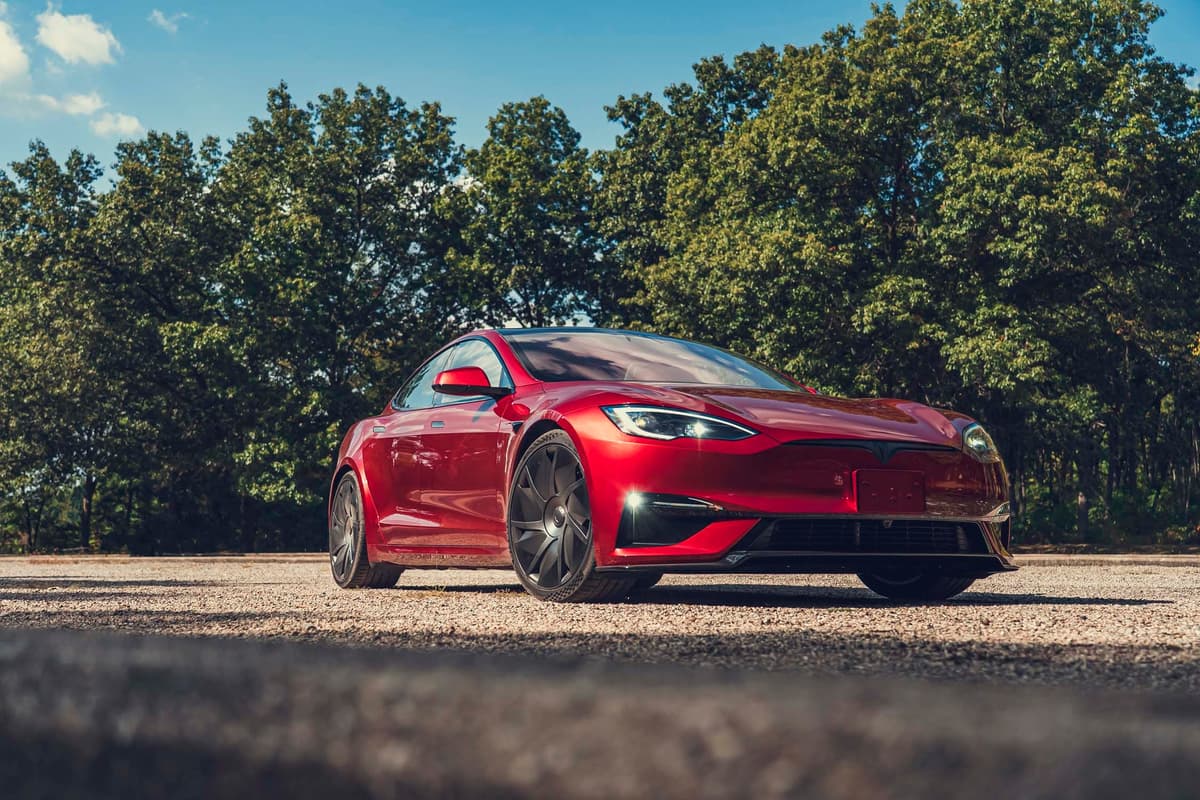
Tesla Model S, the Car That Changed EVs Forever, Ends Production
Companies Mentioned
Why It Matters
The shift underscores Tesla’s pivot to mass‑market models, tightening its profit margins while cementing the Model S/X’s role as the benchmark that forced the entire auto industry toward high‑performance electrification.
Key Takeaways
- •Production of Model S/X ends after 14 years at Fremont plant
- •Tesla now relies on Model 3 and Model Y for mass‑market sales
- •Supercharger network grew from 188 to over 3,000 U.S. stations
- •Model S set performance benchmark, influencing rivals like Porsche Taycan
Pulse Analysis
Tesla’s decision to halt production of the Model S sedan and Model X SUV marks the end of a 14‑year flagship era and underscores a strategic pivot toward volume‑driven platforms. The Fremont factory, once the birthplace of the high‑end electric sedan, will now concentrate on the Model 3 and Model Y, which together account for the bulk of Tesla’s deliveries and profit margins. By reallocating assembly lines to these lower‑cost models, Tesla can improve economies of scale, reduce per‑vehicle overhead, and free capacity for its announced robot‑manufacturing venture.
Beyond sales numbers, the Model S and X reshaped public perception of electric vehicles. Their blend of luxury, instant torque, and over‑the‑air updates proved that EVs could compete with, and often surpass, internal‑combustion performance benchmarks. The cars also drove the rapid expansion of Tesla’s Supercharger network, which grew from under 200 U.S. sites in 2015 to more than 3,000 today, alleviating range anxiety for a broader audience. Competitors such as Porsche, Audi, and Mercedes‑Benz have since launched premium EVs that directly echo the Model S’s architecture and driving dynamics.
Looking ahead, the cessation of Model S/X production may accelerate Tesla’s push into autonomous hardware, energy storage, and its long‑promised “Tesla Bot” factory. Investors are watching how the shift affects quarterly deliveries, especially as the Model 3/Y lineup faces increasing competition from legacy automakers and Chinese newcomers. If Tesla can sustain its lead in software integration and charging infrastructure while scaling the newer models, the brand’s dominance in the mass‑market EV segment could deepen, even as the iconic flagship fades from the assembly line.
Tesla Model S, the Car That Changed EVs Forever, Ends Production
Comments
Want to join the conversation?
Loading comments...