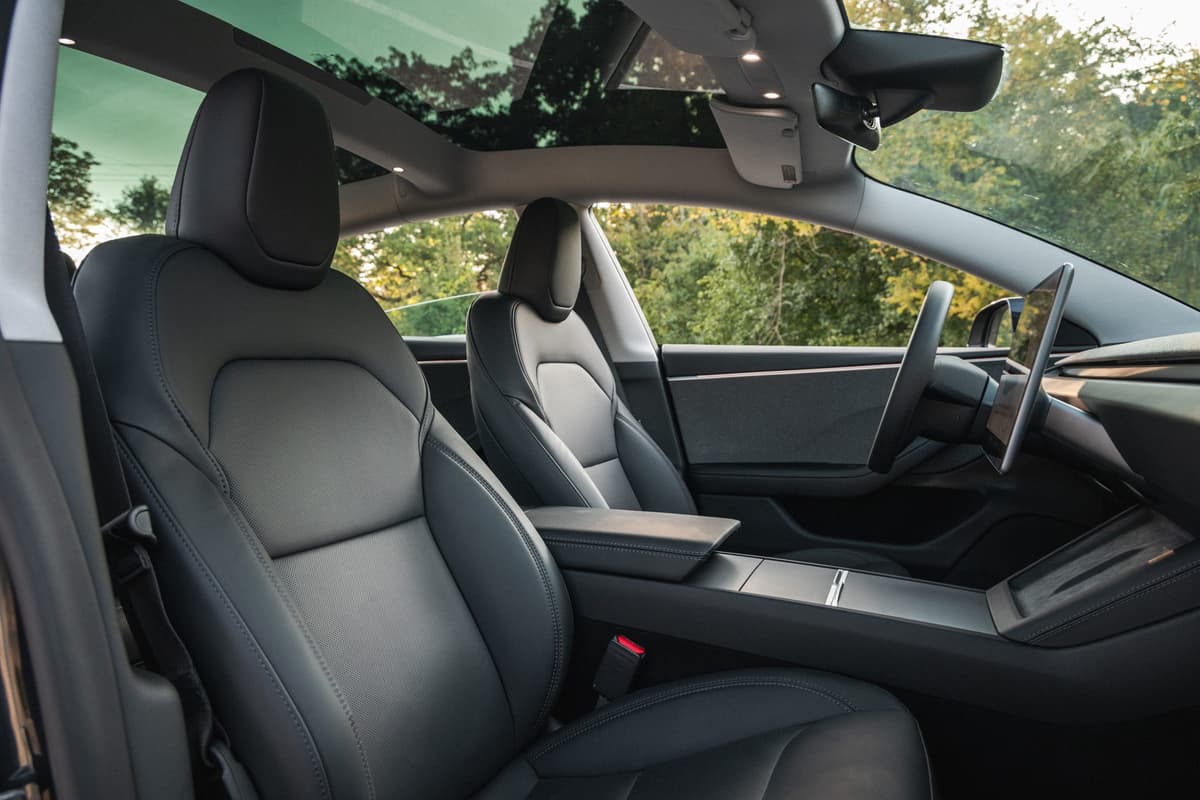
Tesla Patents Preview Innovative Ways to Keep Hot Electric Cars Cool
Companies Mentioned
Why It Matters
By reducing HVAC energy demand, Tesla can eke out additional miles per charge, strengthening its range advantage and setting a new benchmark for thermal management in EVs.
Key Takeaways
- •Tesla patents perforated glass roof acting as HVAC diffuser
- •Combined roof and suction system could cut A/C energy use
- •Reduced cooling load translates to modest range gains per kWh
- •Manufacturing complexity may delay rollout, no timeline announced
Pulse Analysis
As summer temperatures rise, the comfort of a panoramic glass roof can quickly become a liability for electric‑vehicle owners. Tesla’s recent patents address this pain point by reimagining the roof as an active component of the climate‑control system. The design layers conventional glass with a perforated sheet and a honeycomb core, allowing cool air to descend through the roof while hot air is vented upward. This passive diffusion reduces reliance on high‑capacity compressors, a clever way to reclaim energy that would otherwise be spent on cooling.
The second patent complements the roof concept with a suction mechanism that actively pulls hot cabin air toward the roof’s interior channels. By routing this heated air into the perforated structure, the system can either expel it outside or, in winter mode, redistribute it to warm the vehicle. Engineers estimate that offloading even a fraction of HVAC demand can improve overall efficiency by a few percent, translating into several extra miles per charge—an important metric for range‑sensitive consumers. Moreover, the reduced load eases thermal stress on battery packs, potentially extending their lifespan.
While the innovations promise tangible benefits, practical deployment faces hurdles. The honeycomb‑structured glass is more intricate than standard sunroofs, raising production costs and durability concerns, especially under road debris impact. Tesla has not disclosed a rollout timeline, suggesting the technology remains in the experimental phase. Nonetheless, the patents signal a broader industry shift toward integrated thermal management solutions, prompting rivals to explore similar passive cooling strategies. If successfully commercialized, Tesla’s approach could redefine cabin comfort standards and reinforce its leadership in EV efficiency.
Tesla Patents Preview Innovative Ways to Keep Hot Electric Cars Cool
Comments
Want to join the conversation?
Loading comments...