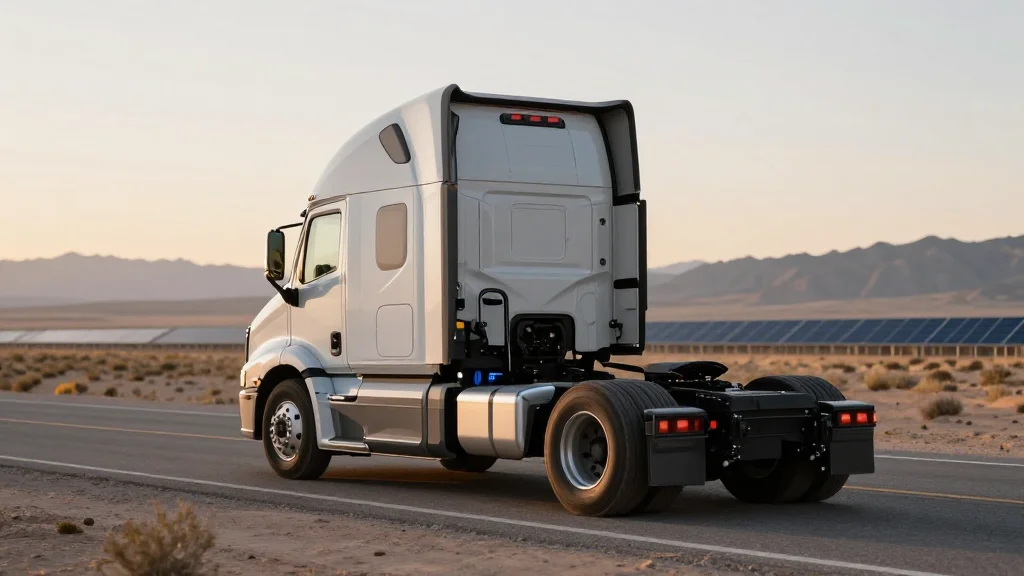
Tesla Semis Are About to Hit the Road. That’s Good News for California.
Why It Matters
The surge in Tesla Semi adoption could accelerate California’s zero‑emission truck targets, cutting air‑pollution from heavy‑duty fleets and reshaping the market economics for electric freight.
Key Takeaways
- •965 of 1,067 HVIP voucher requests target Tesla Semis.
- •Tesla Semi median price ~ $300,000, $150k cheaper than rivals.
- •Up to 500‑mile range and 30‑minute 60% recharge via Megacharger.
- •Could represent one‑third of California Class 8 truck sales this year.
- •Incentives may cut effective cost to near‑used diesel truck price.
Pulse Analysis
Tesla’s long‑awaited Semi finally entered high‑volume production, ending years of postponements that left the electric‑truck market skeptical. The Nevada‑based plant now ships a Class 8 vehicle capable of 350‑mile standard and 500‑mile long‑range configurations, supported by the new Megacharger network that can restore 60 % of battery capacity in half an hour. This technical leap, combined with a median price under $300,000, positions the Semi as the most cost‑effective electric truck currently available, challenging legacy manufacturers that have struggled to match range and price.
California’s Hybrid and Zero‑Emission Truck and Bus Voucher Incentive Project (HVIP) has become a catalyst for rapid adoption. Of the 1,067 applications in the latest window, 965 target the Tesla Semi, a concentration that could translate into roughly one‑third of the state’s Class 8 sales by year‑end. The program’s $120,000 voucher, plus additional port and utility incentives that can shave up to 90 % off the sticker price, effectively narrows the gap between a new electric truck and a used diesel unit, making the transition financially viable for fleets focused on drayage and long‑haul routes.
Beyond California, the Semi’s market impact signals a broader shift toward electrified freight. Heavy‑duty trucks generate more than half of transportation‑related air pollution, and the Semi’s lower acquisition cost and faster charging could accelerate compliance with emerging clean‑truck mandates nationwide. As more carriers report real‑world mileage—384 miles on a single charge and over 1,000 miles in a 24‑hour period with partial recharges—the operational credibility of electric Class 8 trucks strengthens, prompting investors and policymakers to reassess infrastructure funding and emissions‑reduction strategies. The convergence of technology, incentives, and demonstrated performance suggests that electric freight may soon move from niche to mainstream.
Tesla Semis are about to hit the road. That’s good news for California.
Comments
Want to join the conversation?
Loading comments...