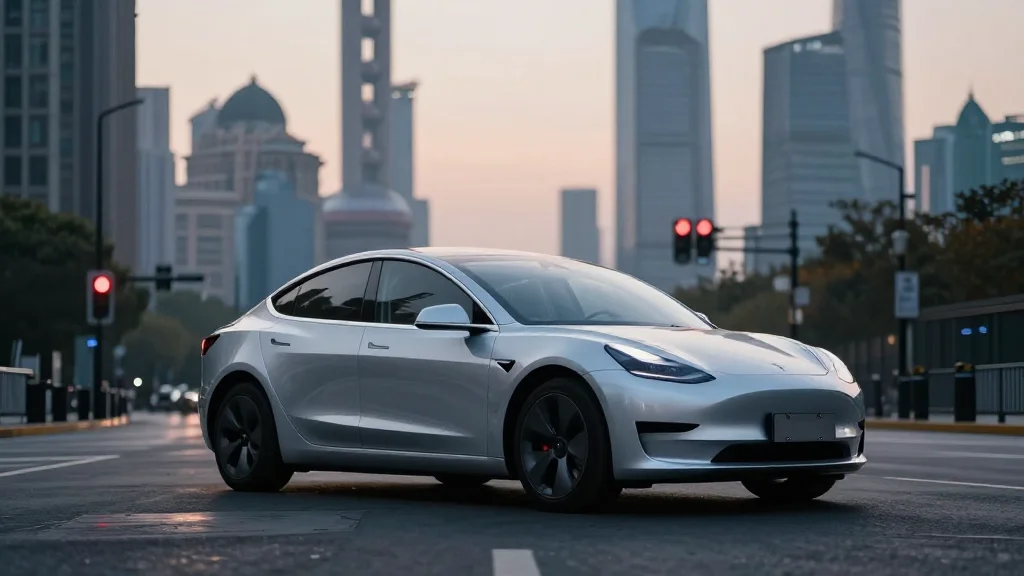
Tesla (TSLA) Retail Sales Crash 16% in China in Q1 Despite ‘Rising’ Wholesale Numbers
Why It Matters
The slump erodes Tesla’s foothold in the world’s largest EV market, threatening revenue growth and brand dominance. Continued export reliance may conceal but not solve the underlying demand weakness.
Key Takeaways
- •Retail sales in China fell 16% YoY in Q1 2026.
- •Exports from Shanghai rose 164% YoY, offsetting domestic drop.
- •Competitors like BYD, NIO, Xiaomi outpaced Tesla in China.
- •Tesla's market share slipped below 10% in BEV segment.
- •Wholesale figures mask true domestic demand weakness.
Pulse Analysis
The distinction between wholesale and retail figures has become a focal point for investors tracking Tesla’s China performance. Wholesale numbers, buoyed by a 23.5% rise to 213,398 units, include vehicles produced at Giga Shanghai that are shipped abroad. In Q1 2026, exports surged 164% to 100,600 units, effectively filling the gap left by a 16.2% drop in domestic retail deliveries. This accounting practice can inflate headline growth while the underlying consumer demand in China continues to weaken.
China’s EV market is now dominated by home‑grown rivals that are outpacing Tesla on both volume and price. BYD moved roughly 194,000 cars to Chinese buyers in March, more than three times Tesla’s 56,107 units, while NIO posted a 98% year‑over‑year increase. Xiaomi’s rapid entry and aggressive pricing have further compressed Tesla’s market share, which slipped to 9.88% of the BEV segment and 6.62% of the broader NEV market. The competitive pressure is amplified by local manufacturers’ ability to launch fresh models and offer deep financing incentives, eroding Tesla’s premium positioning.
For Tesla, the data signals a strategic crossroads. Relying on export ramps from Shanghai can temporarily boost global delivery figures, but it does not address the core issue of waning Chinese consumer interest. Analysts argue that only a new, market‑specific product lineup—beyond incremental refreshes—can restore relevance against BYD’s and Xiaomi’s expanding portfolios. Until Tesla delivers compelling, price‑competitive models tailored to Chinese preferences, the domestic sales decline is likely to persist, with broader implications for its global growth trajectory.
Tesla (TSLA) retail sales crash 16% in China in Q1 despite ‘rising’ wholesale numbers
Comments
Want to join the conversation?
Loading comments...