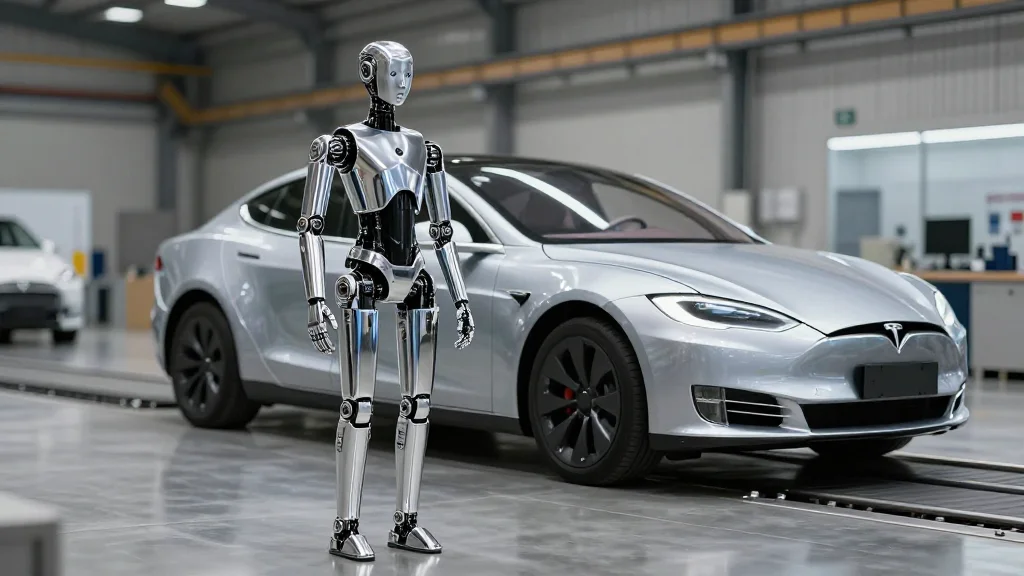
Tesla Waves Goodbye To Model S And Model X As The Last Cars Roll Off The Line
Companies Mentioned
Why It Matters
The cessation of Model S/X production frees manufacturing capacity for Optimus, highlighting Tesla’s pivot from premium EVs to robotics—a shift that could reshape its revenue mix and industry positioning. It also marks the end of the vehicles that anchored Tesla’s early brand equity and EV adoption momentum.
Key Takeaways
- •Final Model S/X units left Fremont line Saturday.
- •Fremont plant will be retooled for Optimus humanoid robots.
- •Model S set EV range benchmarks, influencing later models.
- •Declining sales shifted focus to Model 3/Y volume strategy.
- •End marks transition from halo cars to robot manufacturing.
Pulse Analysis
When the Model S debuted in 2012, it proved that electric cars could combine luxury, speed, and desirability, forcing legacy automakers to accelerate their own EV programs. Its successive milestones—breaking the 300‑mile range barrier, then 400 miles, and finally delivering sub‑2‑second 0‑60 times with the Plaid variant—set performance expectations that still echo in today’s premium electric sedans. The Model X extended that halo effect to a three‑row format, cementing Tesla’s reputation for innovative design and high‑tech interiors. Together, they created a halo that funded the development of more affordable, high‑volume models such as the Model 3 and Model Y, which now dominate global EV sales.
Tesla’s decision to cease Model S/X production is less about a lack of demand and more about reallocating scarce factory capacity toward its ambitious Optimus robot program. Retooling the Fremont facility will require significant capital investment but promises to diversify revenue streams beyond vehicle sales. By shifting a portion of its manufacturing footprint to humanoid robotics, Tesla aims to leverage its expertise in battery technology, AI, and large‑scale automation, potentially opening new markets in logistics, manufacturing, and consumer services. The move also signals to investors that Tesla is pursuing a multi‑product future, reducing reliance on automotive margins that have become increasingly competitive.
The broader industry is watching closely. Competitors such as Lucid, Porsche, and Rivian have already filled the luxury EV niche left by the aging Model S/X, while traditional OEMs accelerate their own electrification roadmaps. Tesla’s pivot may accelerate the convergence of EV and robotics technologies, prompting rivals to explore similar diversification strategies. For investors, the transition presents both risk—given the unproven commercial viability of humanoid robots—and upside if Optimus can achieve scale. Ultimately, the end of the Model S/X era underscores how quickly the EV landscape evolves and how incumbent innovators must continuously reinvent their product portfolios to stay ahead.
Tesla Waves Goodbye To Model S And Model X As The Last Cars Roll Off The Line
Comments
Want to join the conversation?
Loading comments...