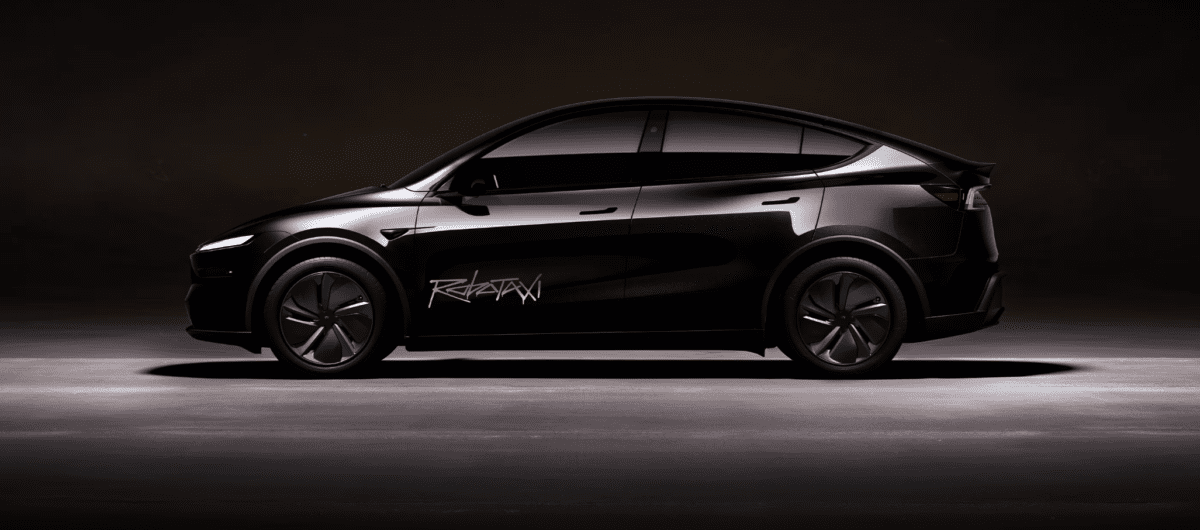
Tesla’s Active Robotaxi Fleet Appears to Be Shrinking
Why It Matters
The contraction signals that Tesla’s autonomous‑driving technology is not yet reliable enough for large‑scale deployment, jeopardizing the company’s valuation narrative that hinges on robotaxi growth.
Key Takeaways
- •Unsupervised robotaxis fell to 20 vehicles across Texas.
- •Overall fleet dropped from 165 to about 34 active units.
- •Crash rate 4‑9× higher than human drivers per Tesla data.
- •Musk expects scaling after FSD v15 launch in late 2026.
- •Shrinking fleet weakens Tesla’s autonomy‑driven stock valuation.
Pulse Analysis
Tesla’s robotaxi rollout has hit a stark reality check as fleet numbers tumble across its three Texas test cities. Data from Electrek shows unsupervised vehicles slipping to just 20 active units, while the combined supervised and unsupervised fleet has collapsed from a high of 165 to roughly 34. The decline is not a temporary blip; it mirrors a broader safety concern, with internal calculations indicating crash rates that are four to nine times higher than those of human drivers. Such figures have forced Tesla to pull back vehicles rather than risk further incidents, underscoring the gap between promised autonomy and operational safety.
The fleet shrinkage reverberates beyond the streets of Austin, Dallas and Houston, striking at the heart of Tesla’s market positioning. Elon Musk has repeatedly tied the company’s stock performance to the success of its Full Self‑Driving (FSD) ambitions, suggesting that autonomous revenue could eclipse traditional vehicle sales. Yet the current rollout lag, coupled with Musk’s optimistic timelines—now pushed to post‑FSD v15 deployment in late 2026—creates a credibility challenge for investors. The disparity between public statements and on‑ground performance may prompt analysts to reassess valuation models that heavily weight future robotaxi earnings.
Looking ahead, Tesla’s path to scaling hinges on the upcoming FSD v15 software rewrite, which Musk claims will unlock “aggressive scaling” from 2026‑27. If the update delivers a measurable safety improvement, the company could revive its expansion plans and restore confidence among shareholders. However, competitors such as Waymo and Cruise are already operating larger, more regulated autonomous fleets, raising the stakes for Tesla to prove its technology can compete on safety and reliability. The next few quarters will be pivotal in determining whether Tesla can translate its AI narrative into a sustainable, revenue‑generating robotaxi service.
Tesla’s active robotaxi fleet appears to be shrinking
Comments
Want to join the conversation?
Loading comments...