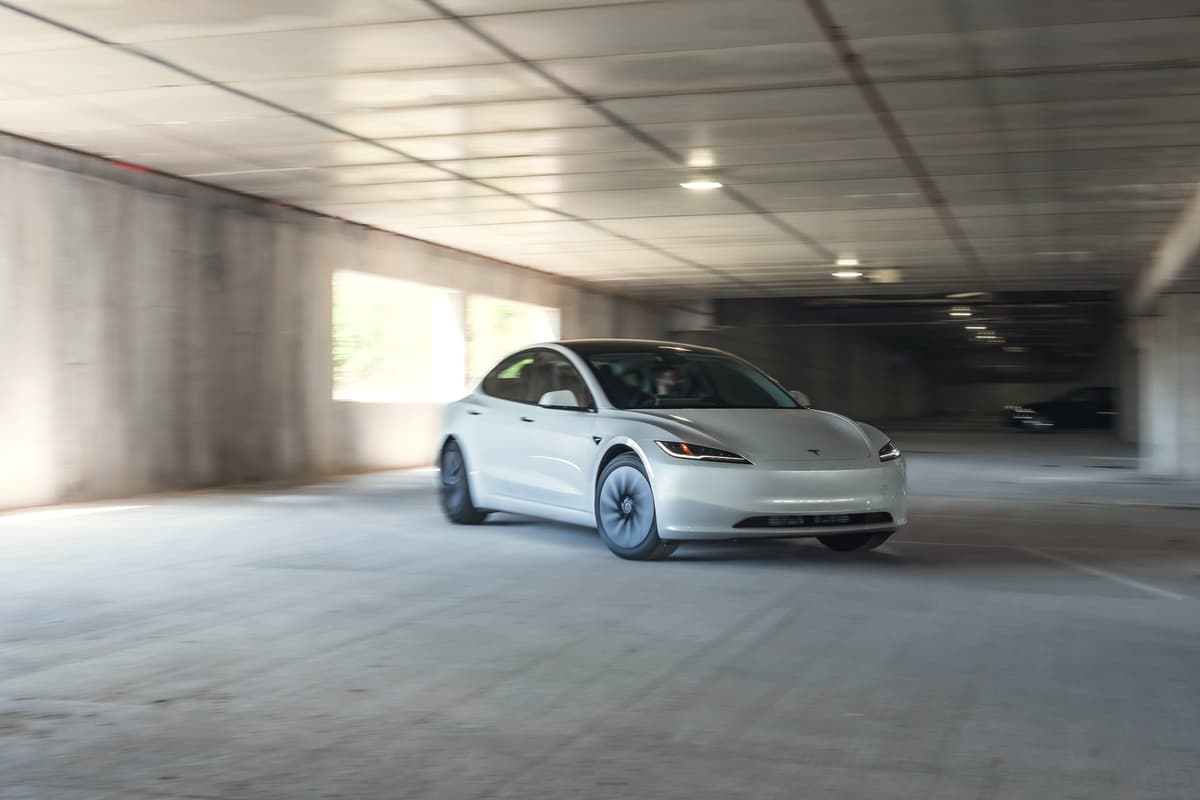
Tested: 2026 Tesla Model 3 Standard Changes Little for a Sizable Discount
Companies Mentioned
Why It Matters
The Standard expands Tesla’s reach to price‑sensitive buyers, potentially boosting volume as competition tightens, while its reduced range and charging speed may limit appeal for long‑distance drivers.
Key Takeaways
- •Base price $38,380, $5,750 cheaper than Premium RWD
- •70 kWh battery reduces range to 321 mi with 18‑inch wheels
- •286 hp motor delivers 0‑60 in 5.4 seconds
- •Interior loses vegan leather, heated seats, and ambient lighting
- •Supercharging max drops to 225 kW; average 79 kW in tests
Pulse Analysis
Tesla’s 2026 Model 3 Standard re‑enters the entry‑level EV segment with a base price of $38,380, undercutting the Premium RWD by roughly $5,750. Tesla achieves the discount by stripping several comfort and tech items: cloth‑instead of vegan‑leather seats, loss of heated rear seats, ambient lighting, and a simpler cup‑holder design. Exterior changes are minimal, limited to a revised front bumper camera and steel wheels with optional aluminum upgrades. By preserving the signature glass roof and a 15.4‑inch touchscreen, the sedan keeps the brand’s visual identity while targeting cost‑sensitive buyers.
Performance remains respectable: a 286‑horsepower rear‑motor propels the car from 0‑60 mph in 5.4 seconds and posts a 0.88 g skidpad figure. However, the 70 kWh battery pack is 10 kWh smaller than the Premium’s, shaving roughly 13 percent off usable capacity and lowering EPA‑rated range to 321 miles (303 miles on 19‑inch wheels). Real‑world highway testing recorded only 270 miles at 75 mph, and peak DC fast‑charging fell to 187 kW, extending a 10‑90 % charge to 44 minutes. These compromises place the Standard ahead of many mainstream sedans but behind higher‑priced Tesla variants and rivals such as the Hyundai Ioniq 6 or Ford Mustang Mach‑E.
Tesla’s aggressive pricing reflects a broader strategy to broaden its addressable market as competition intensifies and subsidies wane. By offering a stripped‑down Model 3 at sub‑$40 k, the automaker hopes to capture first‑time EV buyers who might otherwise choose lower‑cost offerings from Chevrolet or Nissan. The trade‑off—reduced range, slower charging, and fewer premium comforts—could limit appeal among affluent consumers but may be acceptable for urban commuters prioritizing price over luxury. If demand meets expectations, the Standard could bolster Tesla’s volume targets for 2026, while prompting rivals to reassess their own entry‑level pricing structures.
Tested: 2026 Tesla Model 3 Standard Changes Little for a Sizable Discount
Comments
Want to join the conversation?
Loading comments...