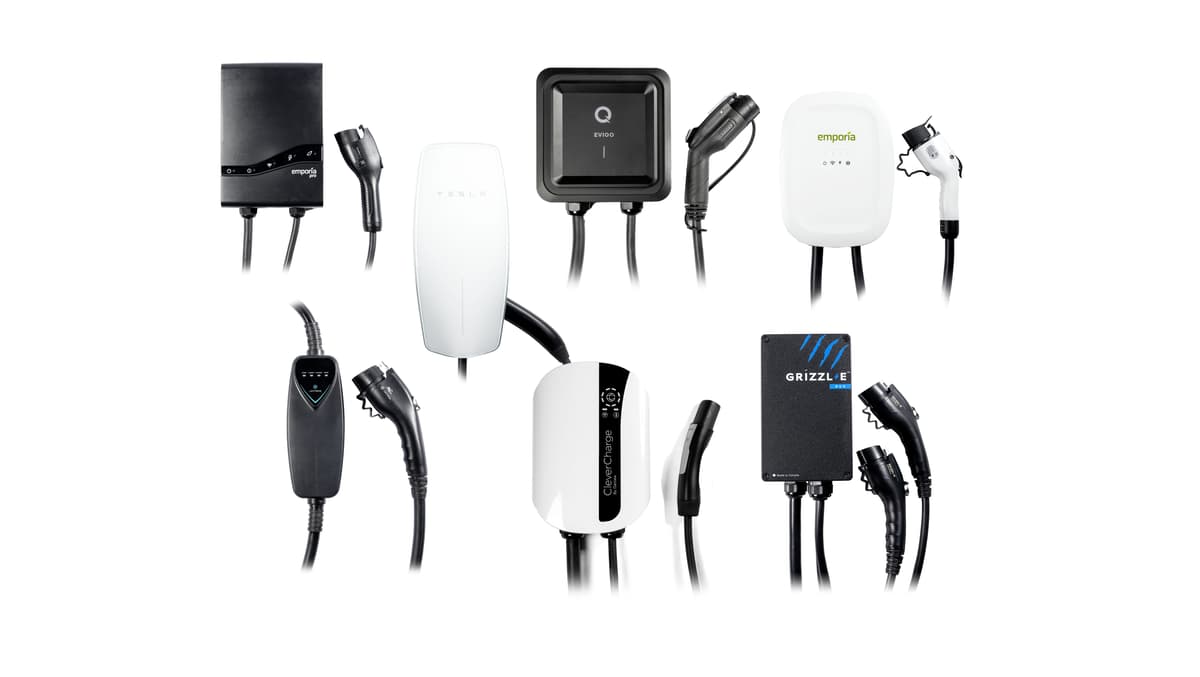
Tested: Best Home EV Chargers for 2026
Why It Matters
Home charging solutions directly affect EV owners’ operating costs and convenience, and the right charger can maximize savings while ensuring grid safety. Understanding performance, pricing, and incentives helps consumers make cost‑effective, future‑proof choices.
Key Takeaways
- •Emporia Pro offers load‑balancing, slim design, $529 price with Vue 3 monitor
- •Lectron Portable Level 2 is the best budget option at 16‑ft cord
- •Grizzl‑E Duo provides cheapest dual‑plug solution, no smart features
- •Home charging costs about one‑third of DC fast‑charging, 5‑8% loss
- •30% federal tax credit up to $1,000 for chargers installed by June 2026
Pulse Analysis
Home EV charging has transitioned from a niche convenience to a core component of vehicle ownership, driven by falling equipment costs and expanding incentive programs. The 2026 test suite, which evaluated units on a Tesla Model 3 and a range of other EVs, highlights how load‑balancing technology—exemplified by Emporia’s Pro and Classic models—protects household electrical panels without costly upgrades. Consumers can now secure a reliable, smart charger for under $600, while dual‑plug options like Grizzl‑E Duo enable two‑car households to share a single 240‑volt circuit, albeit without Wi‑Fi features.
Beyond hardware, the economics of home charging are compelling. Charging at home typically consumes about one‑third the electricity cost of public DC fast‑charging, and real‑world efficiency losses hover between 5 % and 8 %. These savings are amplified by the Inflation Reduction Act’s 30 % tax credit, which reimburses up to $1,000 for qualifying chargers installed before the June 2026 deadline. This incentive not only lowers the effective purchase price but also encourages broader adoption of smart, grid‑aware devices that can shift load to off‑peak hours.
Looking ahead, the market is poised for further integration of EV chargers with home energy management systems, especially as utilities roll out time‑of‑use rates and demand‑response programs. Smart chargers that communicate with solar inverters or battery storage can optimize renewable self‑consumption, turning a simple charging station into a pivotal element of a resilient, low‑carbon household. For buyers, the key is to match charger capabilities—such as load‑balancing, app connectivity, and dual‑plug support—to their vehicle fleet and future energy plans, ensuring both immediate cost benefits and long‑term flexibility.
Tested: Best Home EV Chargers for 2026
Comments
Want to join the conversation?
Loading comments...