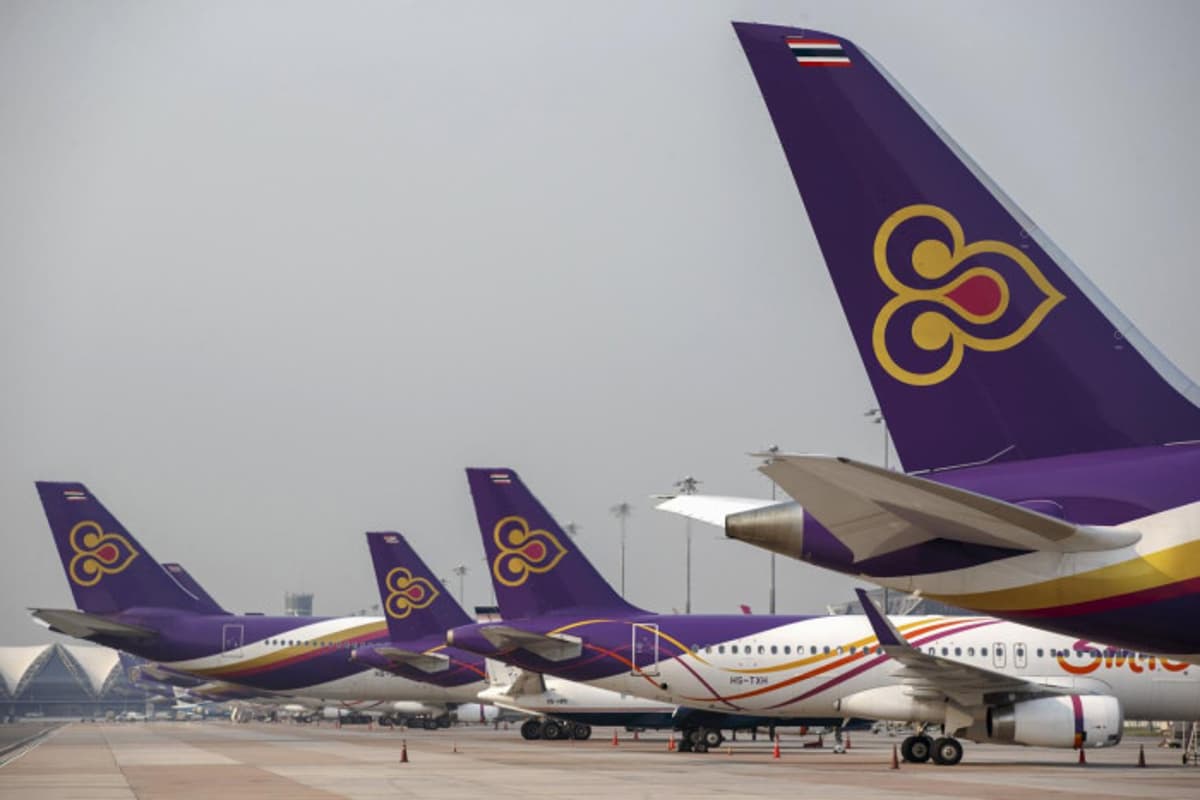
Thai Aviation Faces Tougher Quarters
Companies Mentioned
Why It Matters
The fuel price shock threatens profitability for Thailand’s low‑cost segment and could dampen tourism‑linked revenue, while capital‑raising moves highlight liquidity risks across the sector.
Key Takeaways
- •Jet fuel prices peaked at $240/barrel, threefold increase
- •Low‑cost carriers cut capacity 20% YoY, reducing May‑June seats
- •AAV plans $114 million debenture issuance to shore up liquidity
- •Thai Airways adds two A321neo, targeting 20 new aircraft this year
- •Passenger traffic fell 7% YoY in early May, driven by domestic slump
Pulse Analysis
The surge in global jet‑fuel prices, triggered by the US‑Israeli conflict with Iran, has reverberated through Thailand’s aviation market. While full‑service carriers can absorb higher costs through stronger fare structures, low‑cost airlines—which dominate domestic routes—are forced to trim schedules and reduce seat inventory. This capacity contraction, combined with higher ticket prices, is eroding demand, as evidenced by a 7% year‑on‑year drop in passenger numbers in early May. The situation underscores the sector’s vulnerability to geopolitical shocks that affect energy markets.
AirAsia’s parent, Asia Aviation, illustrates the financial strain facing budget carriers. The airline’s plan to issue up to 4 billion baht (approximately $114 million) in debentures signals a proactive approach to preserve cash flow amid a projected net loss of 3.72 billion baht ($106 million). By cutting capacity 20% and adjusting pricing to reflect true operating costs, the carrier aims to protect margins, but the move also highlights the thin profitability buffer in the low‑cost model when fuel costs spike dramatically.
Conversely, Thai Airways International showcases a contrasting resilience narrative. Adding two A321neo aircraft and targeting 20 new deliveries this year, the flag carrier leverages higher operating leverage and a diversified route network to mitigate fuel price volatility. Analysts expect a short‑term dip in earnings, yet the airline’s operational efficiency and strategic fleet expansion position it to capture market share once fuel prices stabilize. The broader implication for investors is a bifurcated outlook: low‑cost carriers face near‑term earnings pressure, while full‑service airlines may emerge stronger post‑crisis.
Thai aviation faces tougher quarters
Comments
Want to join the conversation?
Loading comments...