Thai EV Sales Set to Be Boosted by Trade-In Incentive
Why It Matters
The incentive aligns government policy with manufacturers’ expansion plans, driving domestic job creation and positioning Thailand as a regional EV hub. It also offers consumers a cost‑effective path to upgrade to low‑emission vehicles, strengthening the nation’s energy transition.
Key Takeaways
- •Trade‑in policy requires cars be made in Thailand, boosting local jobs.
- •Omoda & Jaecoo's Rayong plant cost $135 M, 80k units capacity.
- •Initial output 3‑4k BEVs aimed at Thai market, later Malaysia.
- •Company maintains 45% local parts, targeting higher local content.
- •Chery’s exports rose 72% YoY, reaching 148,777 units in March.
Pulse Analysis
Thailand’s upcoming trade‑in scheme reflects a broader governmental push to replace aging internal‑combustion cars with cleaner alternatives. By tying eligibility to domestic production, the policy not only incentivizes consumers with lower upfront costs but also safeguards local employment and stimulates the auto parts ecosystem. Analysts see the measure as a strategic response to volatile oil prices and geopolitical supply disruptions, offering a more predictable demand pipeline for manufacturers willing to pivot toward electric drivetrains.
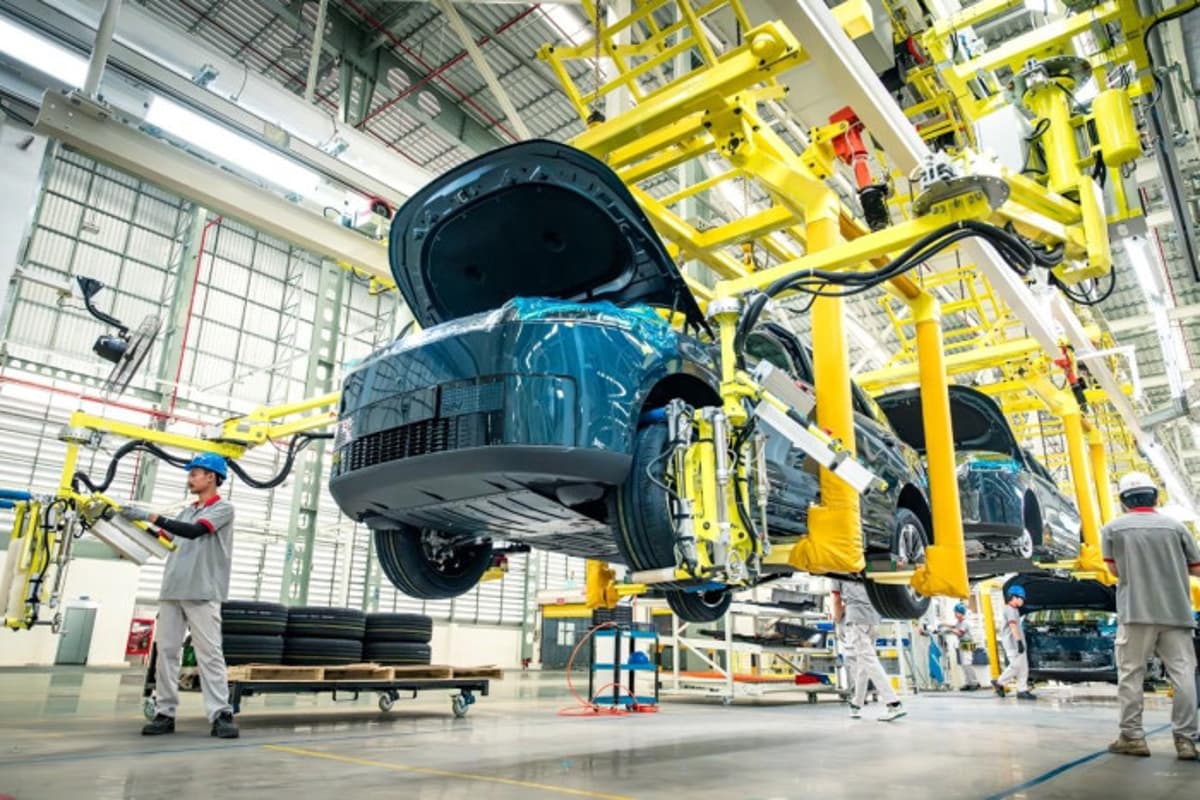
Omoda & Jaecoo’s newly‑opened Rayong facility exemplifies how automakers are aligning with the incentive. The $135 million plant, spanning 104 rai, can produce up to 80,000 vehicles annually, though the first phase targets 3,000‑4,000 battery‑electric models for Thai buyers before expanding exports to neighboring Malaysia. With 45% local content today, the company aims to increase that ratio to satisfy upcoming regulations, while a planned battery plant will further localise the supply chain and reduce reliance on imported cells.
The ripple effects extend beyond Thailand’s borders. Parent company Chery Automobile has already logged a 72% year‑on‑year surge in overseas shipments, underscoring the growing appetite for affordable EVs in emerging markets. As regional players scramble for market share, Thailand’s policy could become a template for other Southeast Asian economies seeking to combine environmental goals with industrial development. The convergence of supportive policy, sizable manufacturing capacity, and rising export momentum positions the country to become a pivotal node in the global electric‑vehicle value chain.
Thai EV sales set to be boosted by trade-in incentive
Comments
Want to join the conversation?
Loading comments...