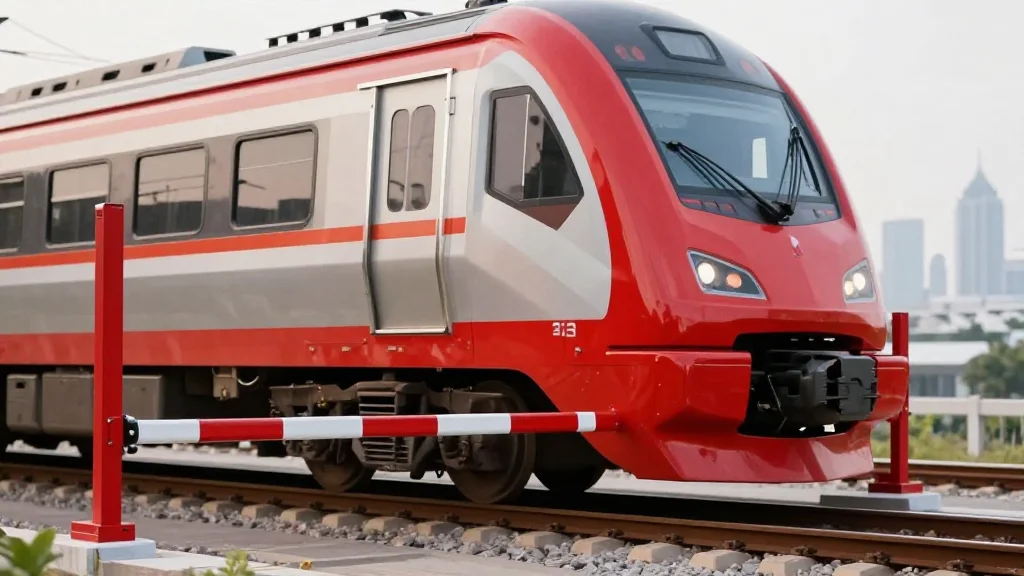
Thailand Orders Nationwide Rail Safety Overhaul After Deadly Bangkok Crash

Why It Matters
The overhaul directly addresses systemic safety gaps that have plagued Thailand’s rail network, where level‑crossing accidents have been a leading cause of fatalities. By elevating rail safety to aviation‑level standards, the government aims to restore public confidence and reduce accident‑related costs, which have historically strained emergency services and insurance markets. Moreover, the restrictions on freight traffic in Bangkok could reshape logistics patterns across the region, prompting shippers to reconsider modal choices and potentially accelerating investment in alternative corridors. For neighboring countries, Thailand’s policy could become a benchmark. If the 100 % drug‑screening and daily alcohol testing prove effective, regulators in Vietnam, Malaysia and the Philippines may adopt similar mandates, leading to a regional uplift in rail safety standards. Conversely, the reduction of freight trains may pressure regional supply chains, encouraging greater reliance on maritime and road transport, which could have environmental and congestion implications.
Key Takeaways
- •Eight dead, 32 injured in the May 16 Makkasan train‑bus collision
- •Transport Ministry mandates 100 % narcotics screening for all public‑transport drivers
- •Daily pre‑shift alcohol tests become compulsory with no exemptions
- •Freight trains entering Bangkok reduced by about 10 per day; oil trains banned
- •Rail‑safety standards to be upgraded to match aviation levels
Pulse Analysis
Thailand’s response is a textbook case of crisis‑driven policy acceleration. Historically, rail safety reforms in the region have been incremental, hampered by fragmented oversight and limited funding. The fatal crash forced the Transport Ministry to consolidate authority, linking criminal, disciplinary and regulatory levers into a single, high‑visibility campaign. By aligning rail standards with aviation, the government not only raises the technical bar but also signals to investors that safety risk is being actively managed, which could unlock financing for the long‑delayed Missing Link project.
However, the short‑term operational disruptions—particularly the curtailment of freight services—pose a real risk to Thailand’s logistics competitiveness. Freight volumes that previously moved through Bangkok’s central corridors will now face longer first‑mile trips and additional handling, potentially inflating costs for manufacturers and exporters. If these costs are passed on to consumers, the policy could face backlash from the business community, prompting a recalibration of the rollout timeline.
In the broader Southeast Asian context, Thailand’s overhaul may catalyze a regional safety race. Countries with comparable rail‑crossing accident rates are likely to monitor accident statistics and compliance data closely. Successful implementation could lead to a harmonized safety framework across ASEAN, facilitating cross‑border rail services and boosting the viability of trans‑regional freight corridors. Conversely, failure to deliver on the promised safety gains could erode public trust and stall future rail investments across the region.
Thailand Orders Nationwide Rail Safety Overhaul After Deadly Bangkok Crash
Comments
Want to join the conversation?
Loading comments...