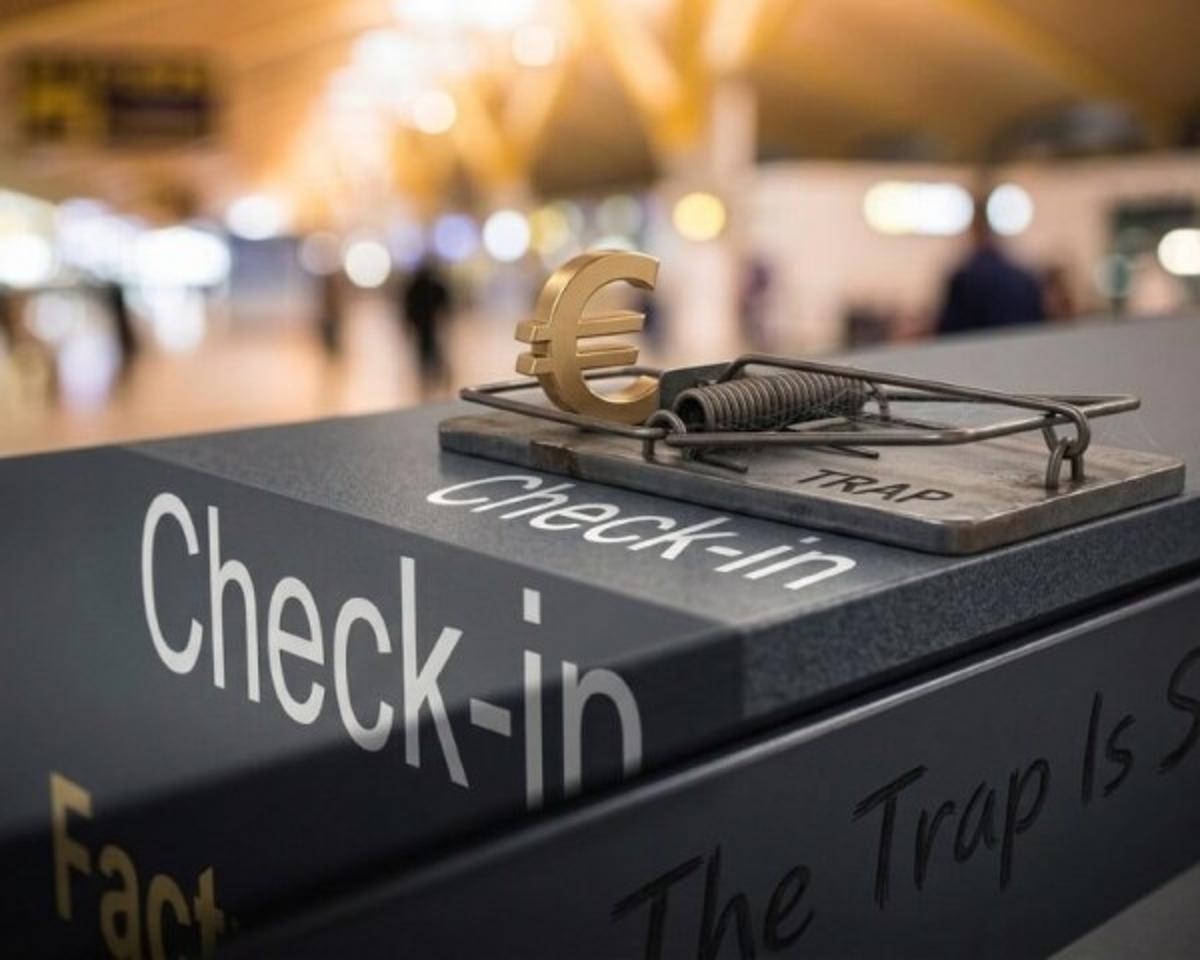
THE €1 CHECK-IN TRAP: THIRD-PARTY FLIGHT SERVICES TRICKS
Why It Matters
The practice erodes consumer trust in digital travel services and can cause costly disruptions, prompting regulators to tighten enforcement of EU pricing‑transparency rules.
Key Takeaways
- •€1 check‑in offers often hide €79 ($85) unexpected fees
- •Contracts lack clear terms, leading to undisclosed recurring charges
- •Third‑party services delay critical flight updates, causing travel disruptions
- •Duplicate review profiles mislead shoppers about provider reliability
Pulse Analysis
The rise of third‑party check‑in platforms reflects a broader shift toward ultra‑low‑cost digital travel services. By advertising a €1 (≈$1.08) entry price, these firms attract price‑sensitive travelers who may overlook the fine print. Once a booking is made, hidden fees—sometimes €79 or higher—appear on statements, and the user experience is hampered by cramped mobile interfaces that conceal contract details. This model thrives on the convenience of quick online check‑in, yet it sidesteps the direct relationship passengers normally have with airlines, creating a fertile ground for consumer confusion.
EU consumer law mandates transparent pricing before a reservation is confirmed, but many third‑party operators exploit loopholes by presenting fragmented terms across multiple pages or pop‑ups. The European Consumer Centre highlights that undisclosed recurring charges and ambiguous renewal clauses often violate the Unfair Commercial Practices Directive. Beyond monetary loss, the lack of real‑time updates from these intermediaries can cause missed gate changes or flight delays, turning minor inconveniences into costly missed connections. As regulators increase scrutiny, firms that fail to provide clear, upfront cost breakdowns risk fines and reputational damage.
Travelers can protect themselves by verifying the legal name of any check‑in provider, scrutinizing fee structures, and looking for explicit auto‑renewal language before confirming a purchase. Cross‑checking reviews on independent platforms helps filter out duplicated or fabricated testimonials. Industry observers suggest that airlines may respond by integrating more robust, white‑label check‑in solutions to retain control over the customer journey. In the meantime, heightened consumer awareness and stricter enforcement of transparency rules are essential to curb the €1 check‑in trap and restore confidence in digital travel services.
THE €1 CHECK-IN TRAP: THIRD-PARTY FLIGHT SERVICES TRICKS
Comments
Want to join the conversation?
Loading comments...