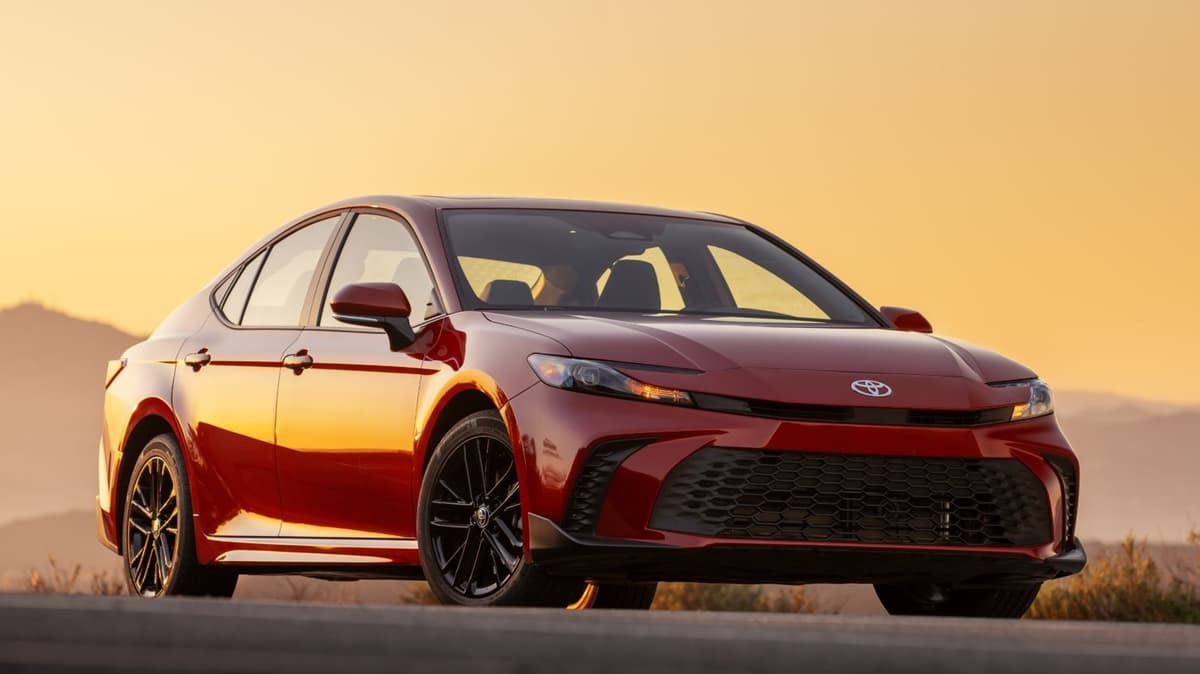
The 10 Best Cars Of 2026, According To Consumer Reports
•March 10, 2026
0
Why It Matters
The rankings signal shifting consumer preferences toward efficient, tech‑rich vehicles, influencing manufacturers’ product strategies and pricing tactics in a tightening market.
Key Takeaways
- •Hybrid powertrains dominate Consumer Reports top ten
- •EV SUV Model Y retains market leadership
- •Ford F‑150 leads pickup segment with advanced driver aids
- •Subaru expands hybrid lineup across crossovers
- •Prices rise, making value-focused models crucial
Pulse Analysis
As vehicle prices inch upward, shoppers are turning to data‑driven guides like Consumer Reports to justify their purchases. The 2026 list underscores a clear industry pivot: hybrids now occupy a majority of the top spots, offering a pragmatic bridge between traditional gasoline engines and full‑electric models. This trend reflects tighter emissions standards and consumer demand for lower operating costs, positioning hybrids as the most cost‑effective path to fuel savings without sacrificing range.
In the EV arena, Tesla’s Model Y continues to dominate, buoyed by a 2025 refresh that added range, a quieter cabin and a more affordable Standard AWD trim. Meanwhile, legacy brands such as Toyota and Subaru are expanding their hybrid portfolios, with the Camry, Crosstrek and Forester hybrids delivering competitive fuel economy and modest performance gains. Pickup buyers aren’t left out; Ford’s F‑150 and Maverick combine hybrid powertrains with advanced driver‑assist suites, reinforcing the pickup’s relevance in a market increasingly focused on efficiency and safety.
The broader implication for automakers is clear: reliability scores and real‑world efficiency will drive future product roadmaps. Manufacturers that can blend affordability, advanced technology and proven dependability are likely to capture the most market share as consumers balance rising sticker prices against long‑term ownership costs. Consumer Reports’ endorsement thus becomes a strategic lever, shaping both buyer confidence and OEM investment decisions for the next decade.
The 10 Best Cars Of 2026, According To Consumer Reports
0
Comments
Want to join the conversation?
Loading comments...