The 20-Second Rule: Engineering Escape Under Pressure
Why It Matters
Faster egress reduces casualty risk and aligns rail operators with emerging safety standards, enhancing resilience against system failures.
Key Takeaways
- •UNECE Regulation 107 mandates 20‑second emergency glazing removal for buses.
- •Rail systems lack the rule but share the same evacuation urgency.
- •Mechanical egress devices work without power, crucial during electronic failures.
- •Aligning with ISO 26262‑1 improves functional safety across transport modes.
Pulse Analysis
The 20‑second rule originated in UNECE Regulation No. 107 Rev.10, which obliges bus manufacturers to design emergency glazing that a single passenger can remove in under twenty seconds. Although the regulation targets road vehicles, its core premise—measurable egress speed under duress—has resonated with safety engineers across transport sectors. In rail, where carriage doors, windows, and interior panels are often electronically actuated, the ability to create a clear exit path within seconds can mean the difference between a contained incident and a mass casualty event.
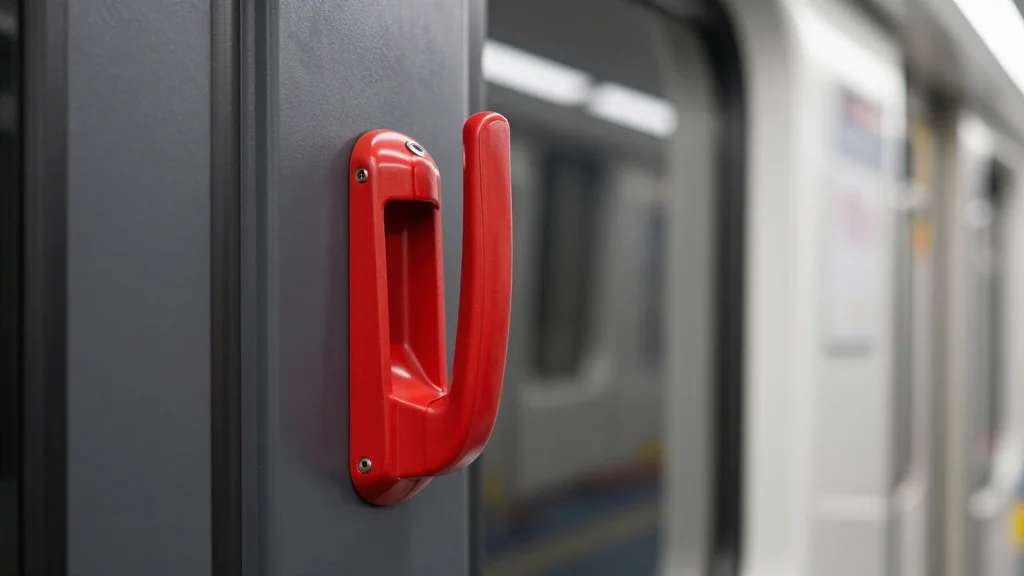
Today's trains are digital ecosystems, integrating automated doors, centralized communication, and power‑dependent safety systems. When fire, smoke, or a loss of traction disables these networks, passengers may find themselves trapped behind locked or jammed components. Mechanical egress solutions, such as manually operated emergency hatches, bypass software and electricity, delivering immediate, reliable exit routes. This approach mirrors the functional‑safety mindset of ISO 26262‑1, which stresses fault tolerance and safe outcomes even when electronic controls fail, extending the concept from automotive to rail environments.
Manufacturers like Safe‑T‑Punch™ are capitalizing on this shift by offering retrofit‑ready, tool‑free emergency panels that meet the 20‑second benchmark without compromising structural integrity. Rail operators that adopt such hardware can demonstrate compliance with emerging resilience standards and potentially lower insurance premiums. As regulators worldwide tighten survivability criteria, the market for low‑tech, high‑reliability egress equipment is poised for growth, reinforcing the strategic value of integrating mechanical safeguards alongside sophisticated digital control systems.
The 20-Second Rule: Engineering Escape Under Pressure
Comments
Want to join the conversation?
Loading comments...