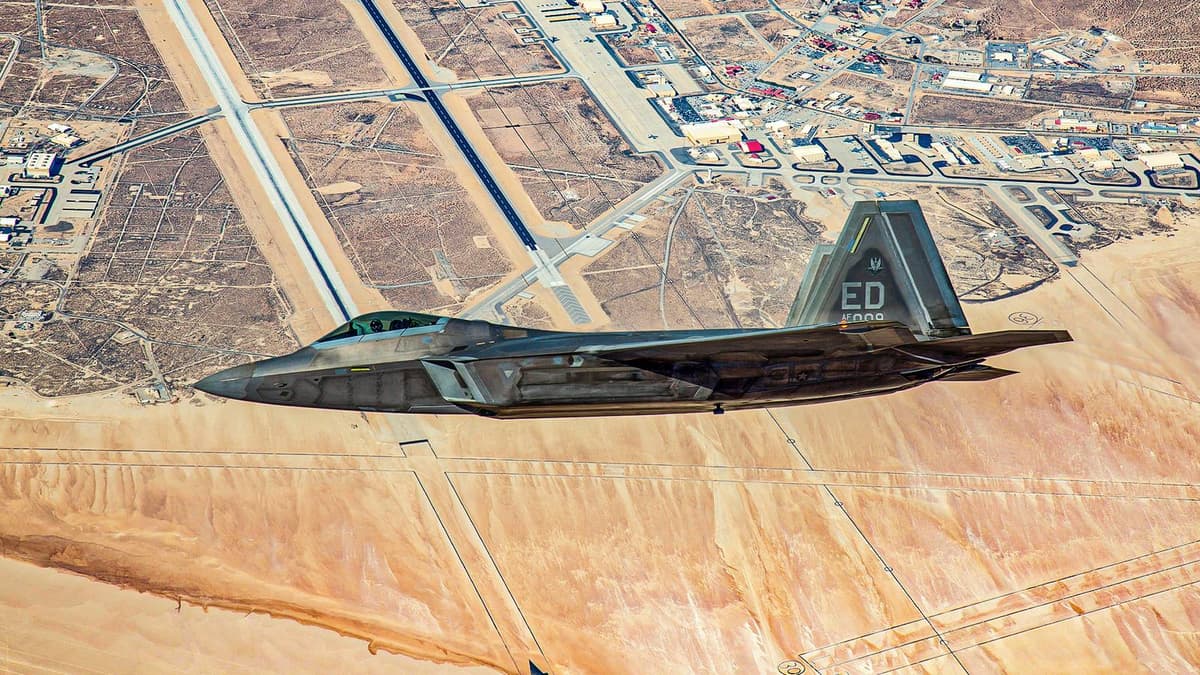
The 5 Largest US Military Airfields By Runway Length
Why It Matters
Long runways are strategic assets that expand mission flexibility, safety margins, and global reach for U.S. airpower. Their continued relevance demonstrates that infrastructure investment outlasts individual aircraft generations, shaping future defense capabilities.
Key Takeaways
- •Edwards AFB runway exceeds 15,000 ft, supporting experimental aircraft
- •Vandenberg's 15,000 ft runway enables satellite launch and missile testing
- •Eielson's Arctic location demands extra length for F‑35 operations
- •Fairchild's WWII origins evolved into B‑52 heavy‑bomber capability
- •Kirtland's high elevation requires longer takeoff runs for heavy aircraft
Pulse Analysis
Runway length has long been a cornerstone of U.S. military aviation strategy. During the Cold War, the need to launch heavy bombers like the B‑52 and B‑36 drove the construction of runways that stretched beyond 13,000 feet, providing the thrust and lift margins required for fully loaded take‑offs. Elevation and climate also play a pivotal role; bases such as Kirtland in New Mexico and Fairchild in Washington incorporate extra pavement to counter thin air and variable weather, ensuring reliable performance under adverse conditions.
Modern mission sets have broadened the purpose of these airfields. Vandenberg Space Force Base’s 15,000‑foot strip supports not only large transport aircraft but also the logistical chain for satellite launches and missile tests, highlighting the convergence of air and space domains. At Eielson, the Arctic environment and the presence of F‑35A squadrons mean that the 14,530‑foot runway offers a safety buffer for high‑tempo operations in extreme cold and cross‑wind scenarios. Edwards Air Force Base remains the premier testbed, where the longest runway in the service accommodates experimental platforms—from the historic XB‑70 to today’s stealth and hypersonic prototypes—allowing engineers to push aerodynamic limits without runway‑length constraints.
Looking ahead, the durability of these runways underscores a strategic lesson: infrastructure must be built for the future, not just the present. As the Department of Defense invests in autonomous drones, electric propulsion, and rapid‑deployment space assets, the existing long runways provide a ready‑made foundation. Continued upgrades—such as reinforced surfacing and advanced navigation aids—will keep these assets relevant, ensuring that the United States retains the operational flexibility needed to project power across any theater, whether in the sky, the Arctic, or beyond Earth’s atmosphere.
The 5 Largest US Military Airfields By Runway Length
Comments
Want to join the conversation?
Loading comments...