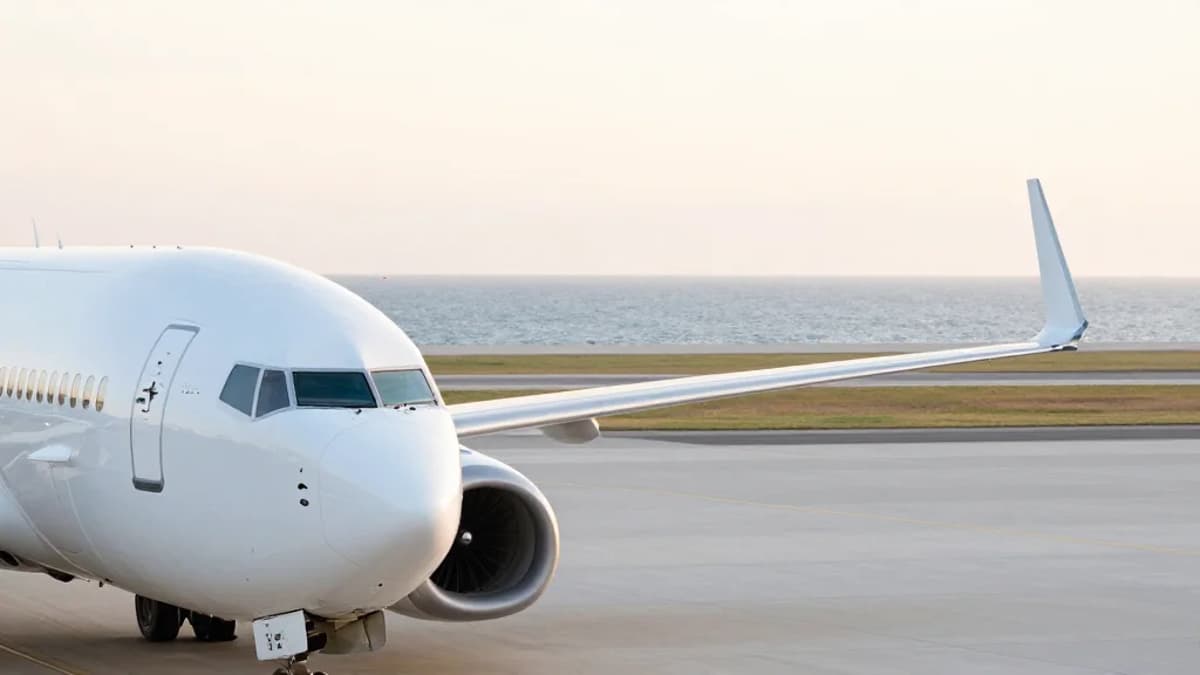
The 737 MAX Wants To Cross The Atlantic, And It May Just Win
•March 8, 2026
0
Companies Mentioned
Why It Matters
The 737 MAX’s entry into transatlantic thin routes gives Boeing a foothold in a market long ruled by Airbus, reshaping airline economics and expanding low‑cost options for secondary European cities.
Key Takeaways
- •Icelandair operates 3,500+ MAX transatlantic flights annually.
- •WestJet adds eight new MAX 8 Europe routes for 2026.
- •Southwest targets Baltimore‑Reykjavik route using existing MAX fleet.
- •United expands MAX service to secondary European markets.
- •MAX 10 certification could boost narrowbody Atlantic economics.
Pulse Analysis
The rise of narrowbody transatlantic service began with Airbus’s A321LR and later the XLR, which unlocked profitable thin routes that could not sustain a wide‑body. By offering roughly 4,000‑4,700 nautical miles of range, the A321 family allowed carriers such as JetBlue, American and Air Canada to launch nonstop flights to secondary European hubs, reshaping the Atlantic market and setting a new cost‑per‑seat benchmark.
Boeing’s 737 MAX, despite a shorter 3,550‑nautical‑mile reach, is now exploiting the same demand pockets. Icelandair’s aggressive deployment of over 3,500 MAX flights and WestJet’s eight new Europe connections for summer 2026 illustrate a strategic shift toward using the 737‑8 on routes to Iceland, the Azores, Portugal and Scandinavia. Southwest’s planned Baltimore‑Reykjavik service and United’s expansion into Glasgow and Santiago de Compostela further demonstrate how airlines are leveraging the MAX’s lower operating costs and abundant fleet availability to serve markets that cannot justify a wide‑body.
Looking ahead, the pending certification of the 737 MAX 10 could tighten the competitive gap. With higher seat capacity and marginally improved range, the MAX 10 would enhance unit economics on thin Atlantic sectors, potentially prompting more carriers to replace A321‑type aircraft on marginal routes. This evolving dynamic promises greater fare competition, broader destination choices for travelers, and a more balanced duopoly between Boeing and Airbus in the lucrative transatlantic narrowbody segment.
The 737 MAX Wants To Cross The Atlantic, And It May Just Win
0
Comments
Want to join the conversation?
Loading comments...