Companies Mentioned
Why It Matters
AI‑driven design slashes time‑to‑market and cost, giving automakers a tactical edge amid volatile regulatory and trade environments. Faster cycles enable quicker response to shifting consumer demand and policy changes.
Key Takeaways
- •GM integrates generative AI to turn sketches into 3D models instantly
- •AI could shrink car design cycles from five years to under two
- •Policy reversal on EV incentives pushes manufacturers to reconsider powertrains
- •Prompt‑based design reduces manual sculpting and clay‑model costs
- •Early AI adoption may set new industry standards for speed and flexibility
Pulse Analysis
The automotive sector has long relied on labor‑intensive sketching, clay modeling, and manual CAD work to bring a new vehicle from concept to showroom. Generative AI tools now allow designers to input a simple prompt or rough drawing and receive fully formed 3D surfaces, lighting studies, and even aerodynamic analyses within minutes. This leap mirrors broader trends in product development where AI accelerates iteration, cuts prototyping expenses, and democratizes creativity across engineering teams.
In the United States, recent policy shifts have added urgency to the technology race. The Trump administration’s rollback of federal EV tax credits, coupled with higher tariffs on imported components, forces manufacturers to reconsider their electrification timelines and supply‑chain strategies. AI‑enabled design offers a way to pivot quickly: by shortening the development window, firms can test both electric and internal‑combustion configurations without the five‑year lag that traditionally dictated platform decisions. GM’s pilot program, which blends human intuition with AI‑generated geometry, exemplifies how legacy automakers are leveraging software to stay agile in a volatile regulatory climate.
Looking ahead, the adoption of AI in car design raises both opportunities and challenges. While faster cycles can boost competitiveness, questions around intellectual property, data bias, and safety validation remain unresolved. Companies that invest in robust AI governance and integrate these tools early in the product lifecycle are likely to set new industry benchmarks for speed, cost efficiency, and design innovation. As AI matures, it could become as indispensable to automotive engineering as wind‑tunnel testing once was, reshaping the competitive landscape for decades to come.
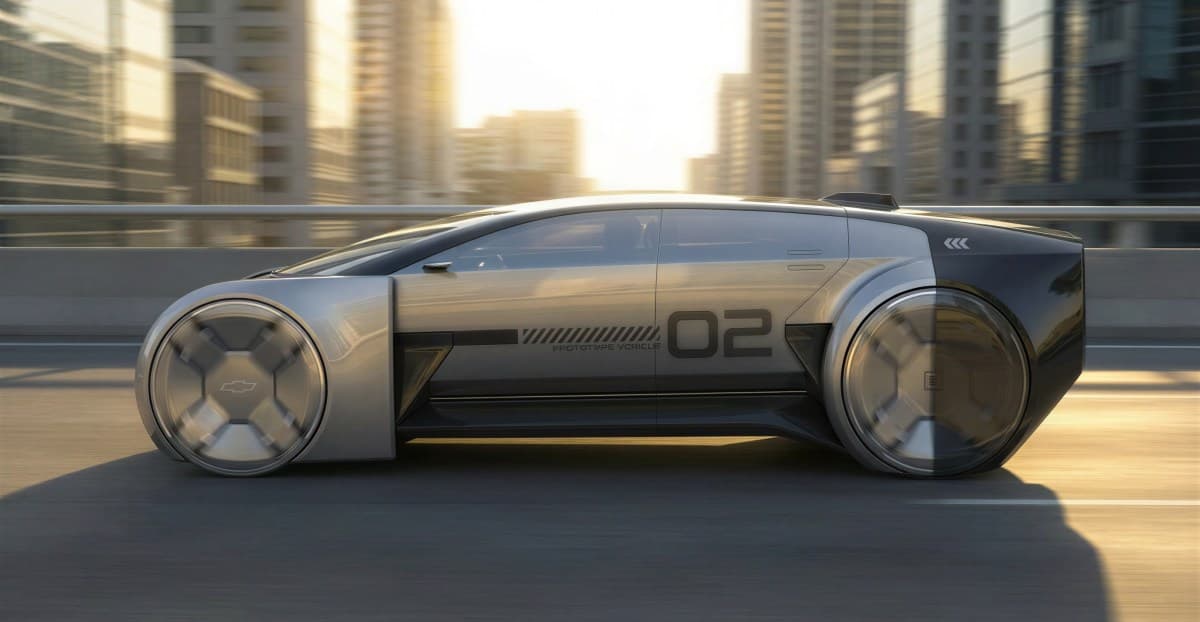
The AI-designed car is taking shape
Comments
Want to join the conversation?
Loading comments...