The AstroVettes: Why So Many NASA Astronauts Drove Corvettes In The '60s

Companies Mentioned
Why It Matters
The partnership boosted Chevrolet’s image, linking the Corvette with American heroism, and demonstrated early influencer marketing in the automotive sector.
Key Takeaways
- •Shepard’s early Corvette purchases sparked astronaut interest in the model.
- •Rathmann’s $1 lease let astronauts drive brand‑new Corvettes.
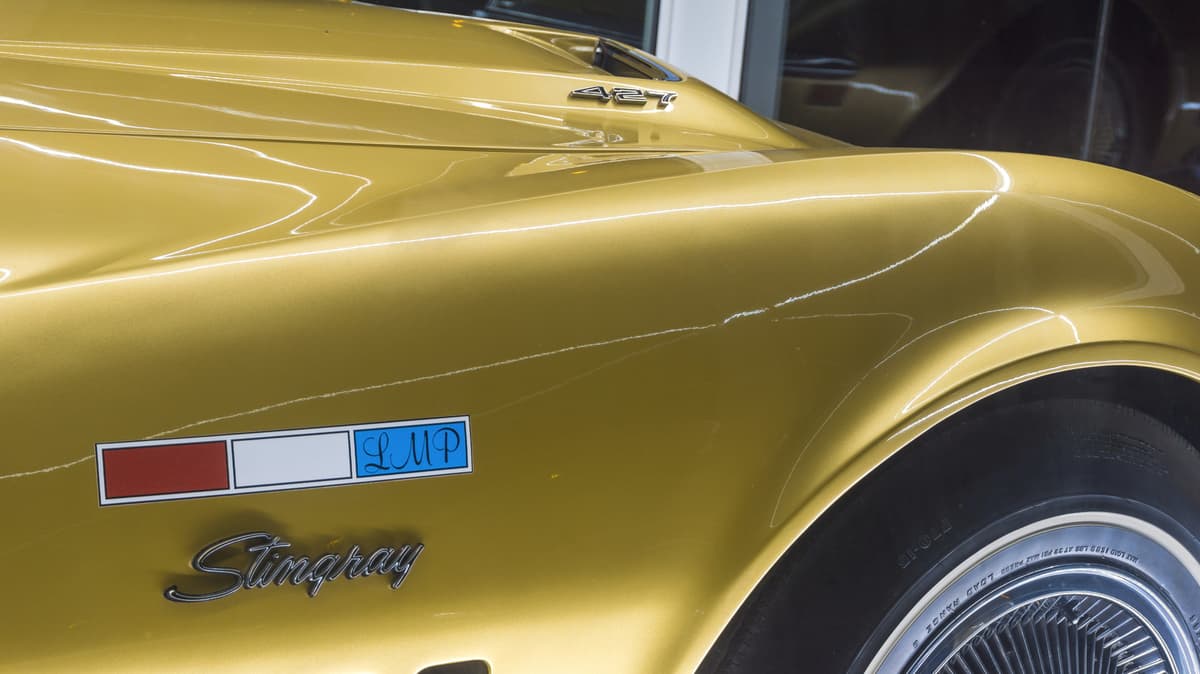
- •Apollo 12 crew’s black‑and‑gold Stingrays matched lunar module colors.
- •Astronauts added big‑block engines, magnesium wheels, and manuals.
- •NASA ethics rules ended the lease program in 1971.
Pulse Analysis
The 1960s space race turned astronauts into cultural icons, and car manufacturers quickly recognized the marketing potential. Chevrolet’s Corvette, already celebrated for its performance and sleek design, found a natural ally in the nation’s first space explorers. Alan Shepard’s personal love for the car—beginning with a $1,500 ’53 model—provided an authentic endorsement that resonated with a public eager for symbols of American ingenuity. This early connection set the stage for a broader collaboration that would intertwine automotive prestige with the excitement of lunar missions.
Jim Rathmann, a former Indy 500 champion who owned a Chevrolet dealership near Cape Canaveral, amplified the relationship with a bold $1‑per‑year lease program. The offer allowed astronauts to select any new Chevrolet, but the majority chose Corvettes, often opting for big‑block V8s, magnesium‑alloy wheels, and four‑speed manuals. The Apollo 12 crew’s custom black‑and‑gold ’69 Stingrays even mirrored their lunar‑module color scheme, turning each vehicle into a rolling tribute to space exploration. This partnership not only drove showroom traffic but also cemented the Corvette’s image as the car of America’s heroes.
The scheme ended in 1971 when NASA instituted stricter ethics policies, but its legacy endures. Original AstroVettes command premium prices at auctions, reflecting both their rarity and the mythic status of the astronauts who drove them. Modern automakers continue to seek similar influencer tie‑ins, from celebrity test drives to limited‑edition models, echoing the successful blend of performance, patriotism, and star power pioneered in the 1960s. The AstroVette story illustrates how strategic brand alignment can create lasting cultural cachet and drive sales beyond conventional advertising.
The AstroVettes: Why So Many NASA Astronauts Drove Corvettes In The '60s
Comments
Want to join the conversation?
Loading comments...