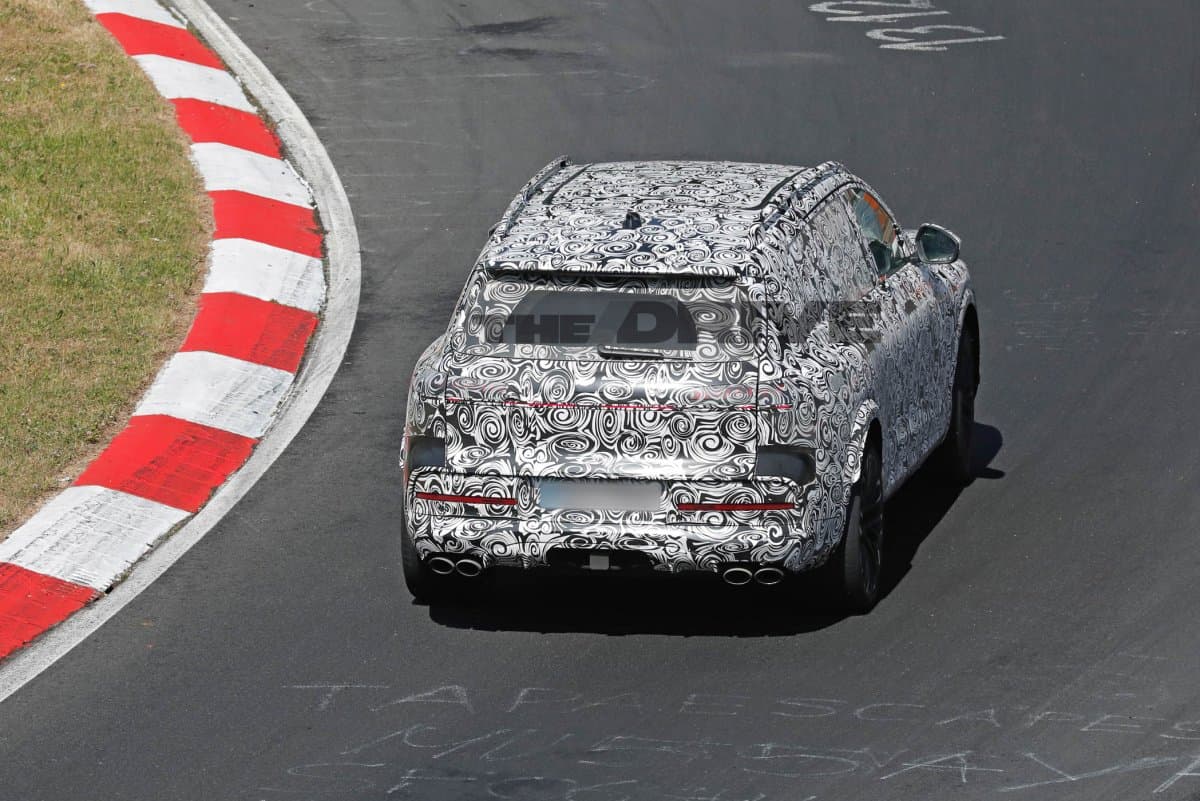
The Audi CEO Just Told Us the V8 Isn’t Dead: Here’s Where It’s Going
Companies Mentioned
Why It Matters
Audi’s commitment to V8s signals continued demand for high‑performance internal‑combustion engines in premium SUVs, shaping competitive dynamics amid tightening global emissions standards.
Key Takeaways
- •Audi plans V8 engines for future SQ7 and SQ9 models
- •RS5 will use V6 plus electric boost to meet stricter targets
- •V8 suitability depends on vehicle size and market emissions rules
- •Dollner emphasizes overall architecture over cylinder count
- •US market may see fewer non‑electrified V8s due to regulations
Pulse Analysis
Audi’s reaffirmation of the V8 reflects a nuanced approach to power‑train diversification. While the industry races toward electrification, the German automaker recognizes that large, luxury SUVs still benefit from the torque and sound of a twin‑turbo V8. By positioning the engine in flagship models like the SQ7 and the soon‑to‑be‑spied SQ9, Audi can cater to enthusiasts who prioritize performance, especially in markets where emissions limits are less restrictive.
Regulatory pressure remains the primary driver behind Audi’s mixed strategy. In Europe, fuel‑economy and CO₂ caps are tightening, prompting the RS5 to adopt a V6 paired with a robust electric system. This hybrid configuration delivers comparable power while staying within mandated limits. Conversely, larger three‑row SUVs face looser targets, allowing Audi to retain traditional V8s without compromising compliance. The CEO’s comment that “the overall layout and architecture” matter more than cylinder count highlights a shift toward flexible platform design that can accommodate both combustion and electric modules.
For the broader market, Audi’s stance signals that V8s are not yet extinct in the premium segment, but their future will be highly market‑specific. U.S. consumers may see fewer pure‑V8 offerings as the brand aligns with local fuel‑economy standards, while European buyers could retain access to high‑displacement engines in flagship SUVs. This dual‑track approach could influence competitors to adopt similar segmentation, balancing electrified powertrains with legacy engines to satisfy diverse regulatory environments and consumer preferences.
The Audi CEO Just Told Us the V8 Isn’t Dead: Here’s Where It’s Going
Comments
Want to join the conversation?
Loading comments...