Companies Mentioned
Why It Matters
Accurate, affordable tracking is essential for driver safety, fleet efficiency, and theft recovery, making the choice of device and subscription a strategic cost decision for both consumers and businesses.
Key Takeaways
- •Bouncie offers real‑time OBD‑II tracking for $9.65/month.
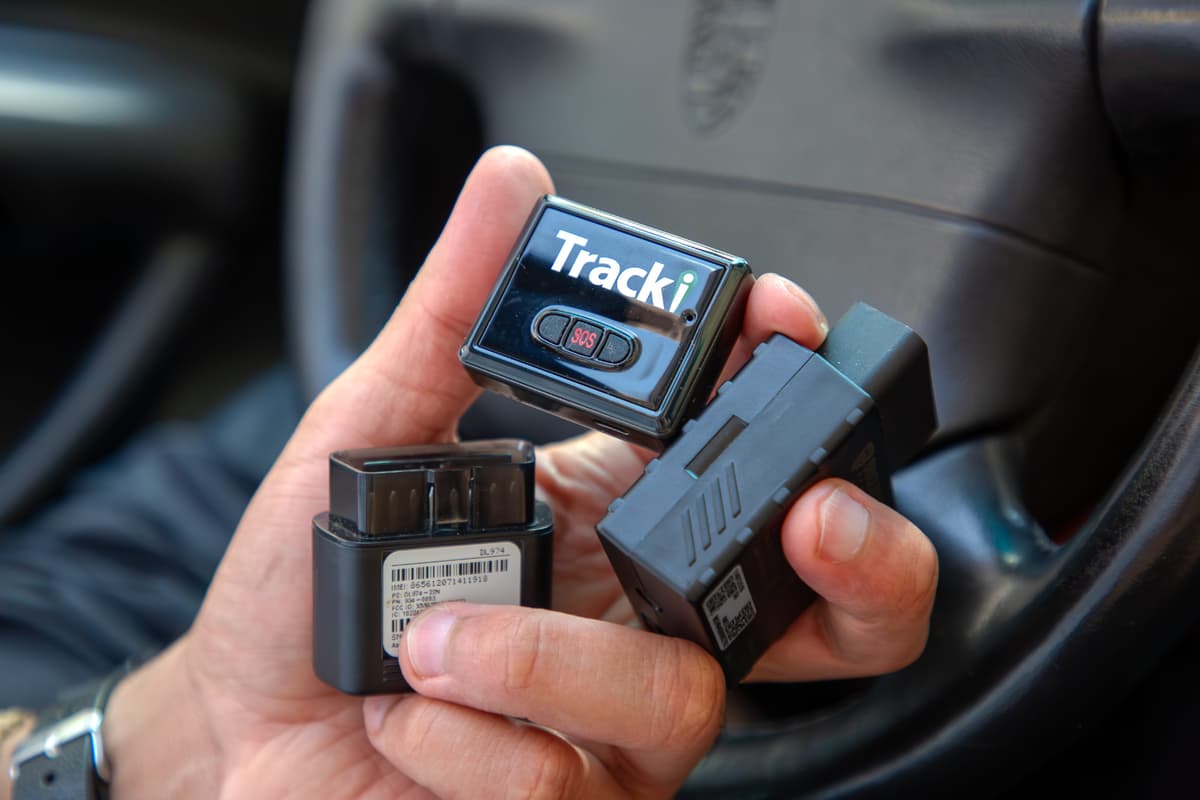
- •Tracki’s compact size suits multi‑asset use, but needs frequent charging.
- •TrackPort Pro adds backup power and diagnostics, pricing starts $29.99/month.
- •LandAirSea 54 provides magnet mount, two‑week battery life, $19.95/month.
- •Apple AirTag works via Find My network, no subscription, limited coverage.
Pulse Analysis
Real‑time vehicle visibility has moved from a niche safety tool to a core business asset, especially as on‑demand logistics and remote work reshape mobility. Modern car GPS trackers combine cellular data plans with either OBD‑II power or internal batteries, creating a spectrum of cost structures. Subscription fees typically range from $10 to $50 per month, and when added to hardware costs they can exceed $250 in the first year. Understanding the trade‑off between continuous power from an OBD‑II port and the flexibility of a battery‑powered unit is crucial for budgeting and operational planning.
Among the top contenders, Bouncie stands out for its low‑cost subscription and instant plug‑and‑play setup, making it ideal for families monitoring teen drivers. Tracki’s miniature form factor appeals to users who need a portable solution across multiple assets, though its limited battery life demands diligent charging. TrackPort Pro differentiates itself with backup power and deep‑diagnostic data, justifying its higher price for fleet managers who value predictive maintenance alerts. LandAirSea 54 offers a discreet, magnet‑mounted option suitable for rental cars or short‑term asset tracking, while Apple AirTag provides a budget‑friendly, crowd‑sourced alternative for iOS users, albeit with inconsistent coverage in low‑density areas.
When selecting a tracker, buyers should weigh refresh rates, cellular coverage, and legal considerations. Frequent updates—ideally every 5‑30 seconds—enhance theft recovery and route optimization, but they also increase data usage and battery drain. Compliance with state privacy laws is non‑negotiable; explicit consent is required for any vehicle not owned by the tracker’s user. Looking ahead, integration with telematics platforms and AI‑driven driver‑behavior analytics will further elevate the value proposition of GPS trackers, turning raw location data into actionable insights for safety, cost control, and regulatory reporting.
The Best Car GPS Trackers, Tested
Comments
Want to join the conversation?
Loading comments...