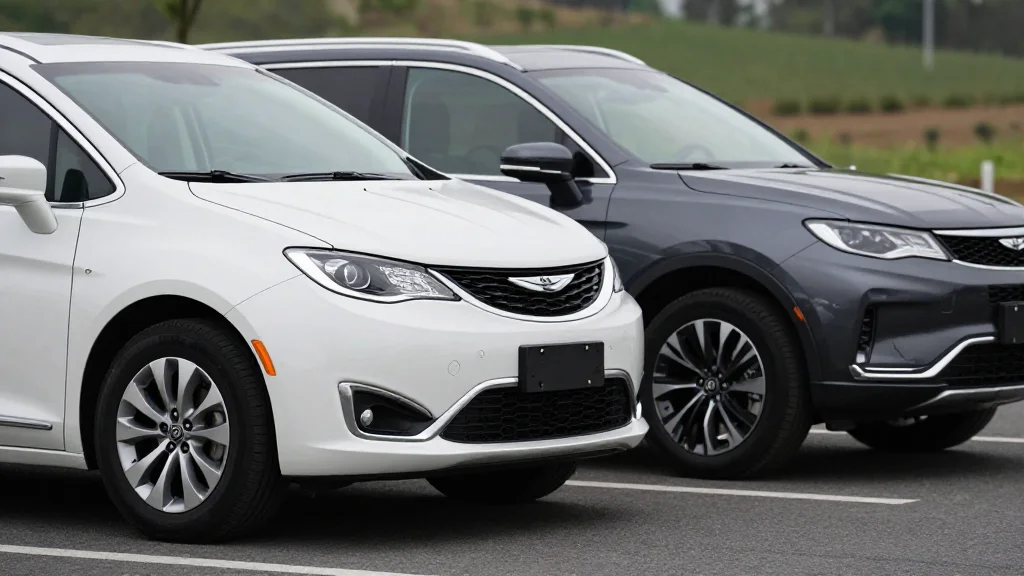
The Cars Americans Drive The Most—And The Least
Companies Mentioned
Why It Matters
Higher‑mileage vehicles generate more revenue for manufacturers, affect resale values, and shape fleet‑management strategies, while low‑usage sports cars signal niche ownership and faster depreciation. The powertrain mileage gap highlights consumer adoption patterns that will influence future investment in hybrid versus electric technology.
Key Takeaways
- •Chrysler Pacifica and Voyager exceed 20k miles annually
- •Minivans dominate top‑ten most driven vehicles
- •Sports cars like Mustang average just over 2k miles per year
- •Hybrids log higher mileage than EVs and plug‑in hybrids
- •High‑mileage models influence resale value and fleet utilization
Pulse Analysis
Family‑oriented vehicles continue to dominate American road usage, a trend reinforced by iSeeCars’ latest mileage data. Minivans such as the Chrysler Pacifica and Voyager, along with full‑size SUVs like the Chevrolet Suburban, routinely exceed 18,000 miles annually, reflecting their role as primary transportation for larger households and multi‑generational families. Automakers are responding by prioritizing spacious interiors, advanced safety suites, and fuel‑efficient powertrains to retain these high‑utilization buyers, while dealers leverage the mileage premium to command stronger resale values and higher trade‑in offers.
Conversely, the study reveals that sports cars sit at the opposite end of the spectrum, with the Ford Mustang logging just over 2,000 miles a year—far below the industry average. Such low utilization suggests owners treat these models as weekend or hobby vehicles, leading to accelerated depreciation and a narrower secondary‑market pool. For manufacturers, this underscores the importance of diversifying product lines beyond performance niches, as the revenue contribution from low‑usage models remains modest compared with workhorse minivans and SUVs.
Powertrain insights add another layer of strategic relevance. Hybrids achieve the highest average mileage (14,696 miles), indicating strong consumer confidence in their fuel‑saving benefits without the range anxiety associated with pure electric vehicles, which average 11,880 miles. Plug‑in hybrids lag at 11,660 miles, reflecting limited charging infrastructure and usage patterns. These figures suggest that while EV adoption is growing, hybrids will likely remain a critical bridge technology, influencing OEM investment decisions, regulatory compliance strategies, and the broader push toward lower‑emission fleets.
The Cars Americans Drive The Most—And The Least
Comments
Want to join the conversation?
Loading comments...