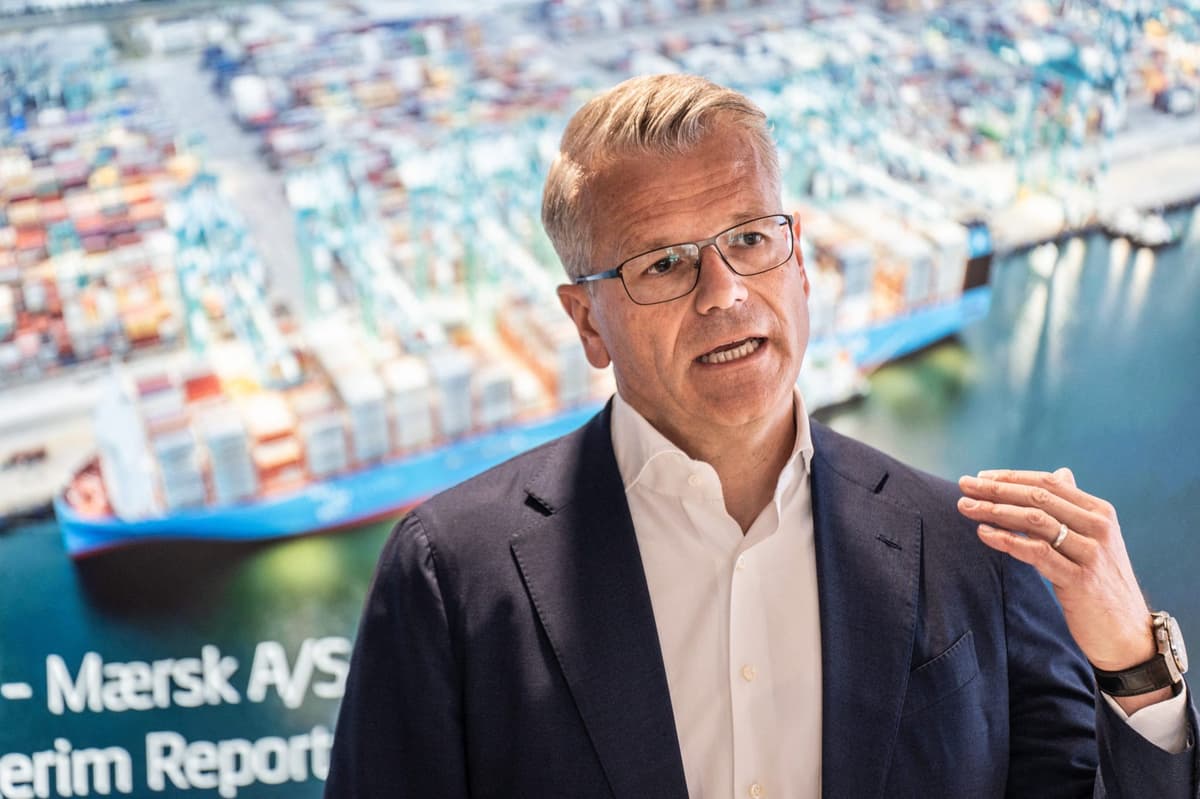
The CEO of Maersk, Which Ships 14% of Everything You Buy, Said the Iran War Is Adding $500 Million in Monthly Costs It’s Trying Not to Pass Down
Companies Mentioned
Why It Matters
The added expense threatens shipping margins and could force higher freight rates, amplifying inflationary pressures and weakening demand for containerized goods worldwide.
Key Takeaways
- •Maersk faces $500 million extra monthly energy costs due to Iran war.
- •Six vessels remain stranded in the Gulf, disrupting key routes.
- •Q1 revenue fell 2.6% to $13 billion; operating profit down 75% to $340 million.
- •Higher oil prices risk demand destruction and slower global container volumes.
- •Maersk may pass cost hikes to customers, pressuring small businesses.
Pulse Analysis
The renewed conflict in Iran has shut the Strait of Hormuz, a chokepoint through which roughly 20% of the world’s oil transits. Crude prices have hovered near $105 per barrel, well above the pre‑war $70 level, and the higher energy price environment is reverberating through every energy‑intensive sector. Maersk, which moves about 14% of global containerized cargo with a fleet of 700 vessels, is feeling the shock first‑hand. The company reported a 2.6% revenue dip to $13 billion in Q1 and a 75% plunge in operating profit, underscoring how tightly shipping margins are linked to fuel costs.
The energy surge adds roughly $500 million to Maersk’s monthly expenses, a burden the firm says it cannot fully absorb. As fuel costs climb, the company anticipates passing a portion of the increase onto shippers, from small‑scale exporters to multinational retailers. Higher transportation fees are already feeding broader inflation pressures; U.S. gasoline averages above $4.50 per gallon, a 43% rise year‑over‑year. Economists warn that sustained price spikes could trigger demand destruction, curbing consumer purchases and compressing container volumes across the sector.
Analysts see Maersk’s situation as a bellwether for the wider logistics industry. With six vessels still stranded in the Gulf and two key routes suspended earlier this year, any prolonged disruption could reshape trade lanes and accelerate the shift toward alternative energy sources and diversified supply chains. While Maersk maintains its full‑year operating‑profit guidance—ranging from a $1.5 billion loss to a $1 billion gain—investors will watch closely how cost‑pass‑through strategies affect customer retention and whether the war‑driven price environment stabilizes before 2027.
The CEO of Maersk, which ships 14% of everything you buy, said the Iran war is adding $500 million in monthly costs it’s trying not to pass down
Comments
Want to join the conversation?
Loading comments...