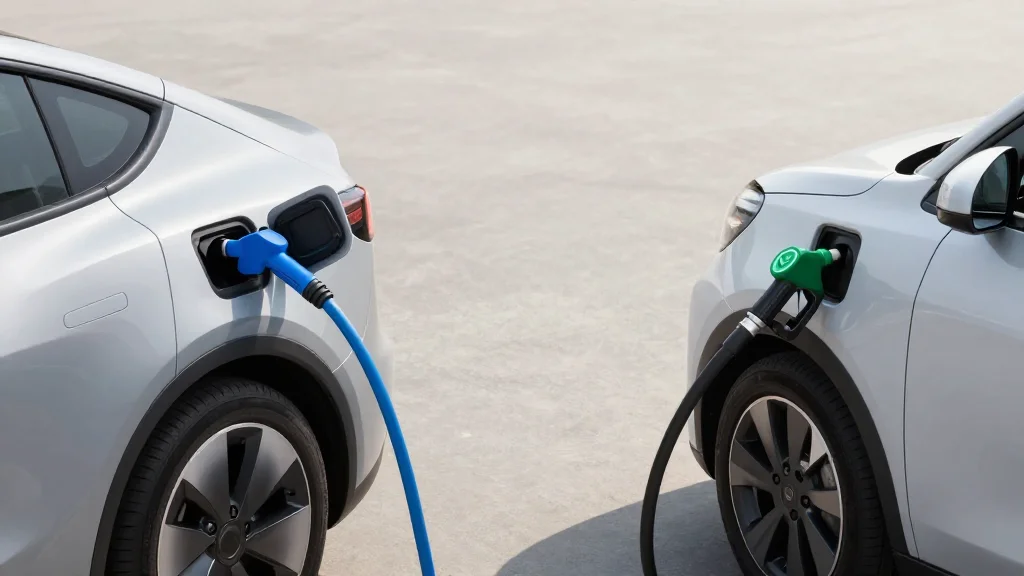
The Cost of Advanced Biofuels
Why It Matters
Policymakers risk undermining EU emissions goals if they allow costly, scarce biofuels to count as zero‑emission, while cheaper EV charging can accelerate decarbonisation. The cost gap also signals that incentives should favor electrification rather than biofuel subsidies.
Key Takeaways
- •Advanced biofuels cost far more per 100 km than EV charging.
- •EU CO₂ targets could be weakened by counting biofuel cars zero‑emission.
- •Biofuel supply is insufficient to replace fossil diesel at scale.
- •Prior T&E research called biofuels a “dead end” for European cars.
- •Study urges policymakers to prioritize electric vehicle incentives over biofuel subsidies.
Pulse Analysis
The European Union’s fleet‑average CO₂ standards have become the cornerstone of its climate strategy, compelling automakers to accelerate the rollout of electric vehicles (EVs). Recently, the car lobby has pressed regulators to broaden the definition of “zero‑emission” by allowing combustion engines powered by advanced biofuels to count toward compliance. Proponents argue that biofuels can leverage existing refineries and provide a transitional bridge for diesel‑heavy markets. However, the policy debate overlooks two critical constraints: the scarcity of sustainable feedstocks and the economic disparity between biofuel and electricity.
Transport & Environment’s latest cost analysis quantifies that advanced biofuels cost roughly three to five times more per 100 km than charging an EV, depending on electricity tariffs and fuel composition. The study incorporates real‑world price data from major European markets, revealing that even premium EV owners face lower per‑kilometre expenses than drivers of biofuel‑powered cars. For fleet operators, the higher out‑of‑pocket cost translates into reduced competitiveness, while consumers encounter steeper fuel bills that erode any perceived environmental benefit. The price gap also discourages investment in biofuel infrastructure.
Given the stark cost differential and limited biofuel availability, policymakers are urged to reinforce incentives that lower EV purchase prices, expand charging networks, and phase out subsidies for advanced biofuels. Aligning fiscal tools with the EU’s climate ambition will accelerate the shift to electricity, which offers both lower operating costs and a clearer pathway to decarbonisation. In the longer term, the market is likely to reward manufacturers that prioritize battery technology and renewable electricity integration, while biofuel projects may become niche solutions for sectors where electrification remains technically challenging.
The Cost of Advanced Biofuels
Comments
Want to join the conversation?
Loading comments...