The Cost of Convenience: A Hedonic Approach to Travel Time Valuation and Cost‐Benefit Analysis
Key Takeaways
- •Hedonic model links rent prices to job accessibility in Sydney.
- •Revealed-preference VTT estimates align with standard cost‑benefit values.
- •Method derives structural demand without instrumental variables.
- •Applied to Sydney Metro West, quantifies welfare from accessibility gains.
Pulse Analysis
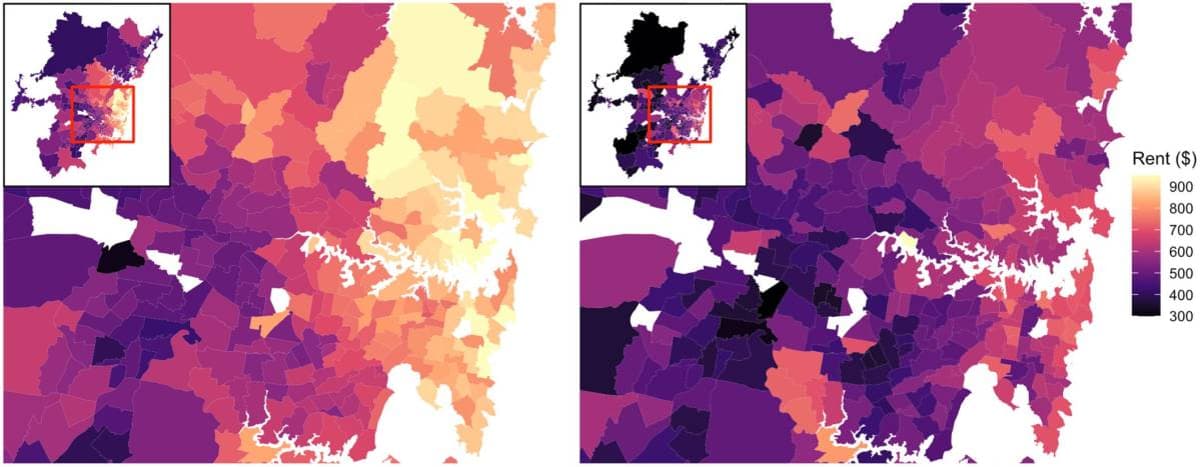
Traditional travel‑time valuation relies heavily on stated‑preference surveys, which can suffer from hypothetical bias and limited sample sizes. By turning to observed market behavior—specifically, how rental prices vary with access to employment centers—researchers can capture the implicit trade‑offs households make daily. This shift aligns the valuation of time with real‑world economic decisions, offering a more credible foundation for cost‑benefit analysis in transport planning.
The authors construct a hedonic price function that incorporates a rich set of location attributes while isolating the effect of accessibility on rent. Crucially, the model exploits the non‑linear nature of the price gradient across neighborhoods, allowing a second‑stage regression that recovers the structural demand for accessibility without the need for instrumental variables. This methodological advance reduces reliance on potentially weak instruments and delivers VTT estimates that sit comfortably within the range used by government agencies for project appraisal.
Applying the framework to the Sydney Metro West corridor, the study quantifies the consumer surplus generated by improved accessibility, translating spatial benefits into monetary terms. The results demonstrate that revealed‑preference methods can capture welfare impacts of large, non‑marginal infrastructure projects more accurately than traditional marginal analysis. As cities worldwide grapple with funding constraints, this approach provides a scalable, data‑rich tool for policymakers seeking robust, evidence‑based decisions on transport investments.
The Cost of Convenience: A Hedonic Approach to Travel Time Valuation and Cost‐Benefit Analysis
Comments
Want to join the conversation?