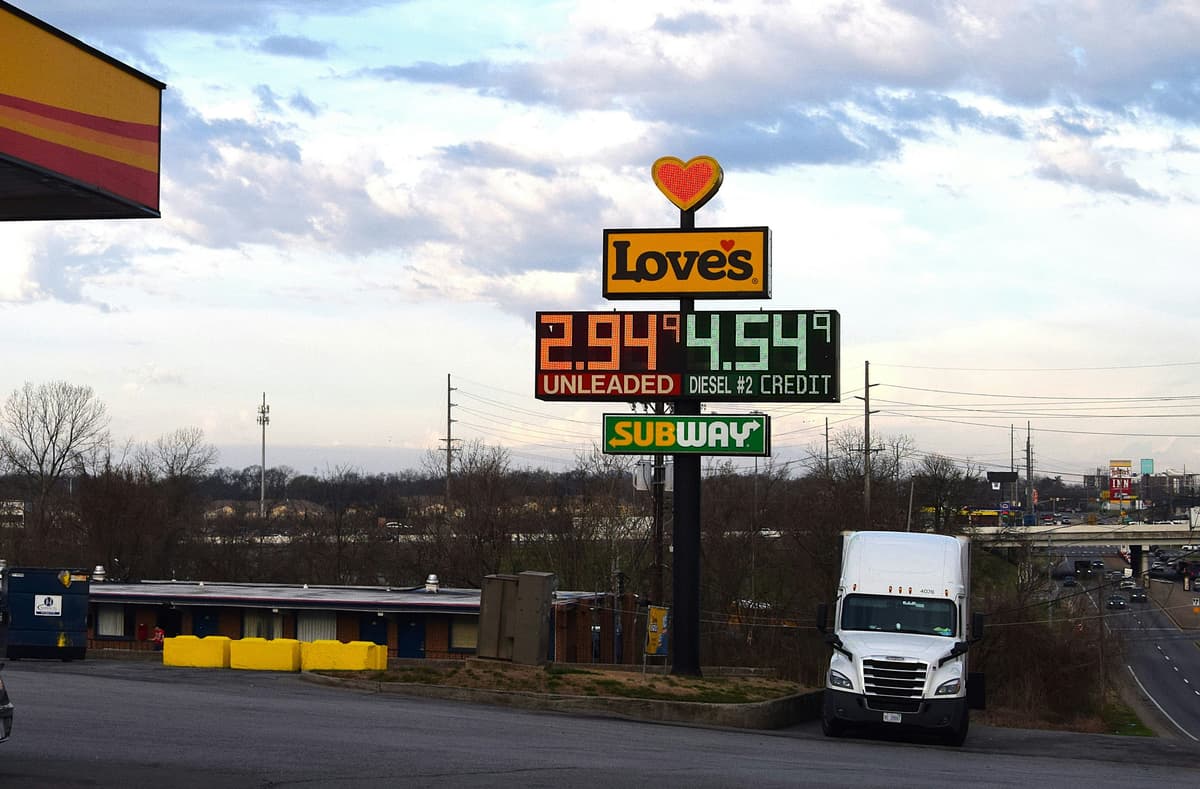
The Diesel Cost Run-Up Hasn't Obliterated Owner-Ops' Recent Profit Gains -- yet ...
Key Takeaways
- •Diesel prices rose ~54¢/gal in three days
- •Owner‑ops still profit due to higher freight rates
- •NASTC Hedge predicts daily fuel price changes
- •Further 20‑30¢ hikes could erase recent gains
- •Using fuel forecasts can strengthen broker negotiations
Pulse Analysis
The early March diesel rally illustrates how geopolitical shocks can translate into rapid retail price swings. Traders responded to Middle‑East conflict, pushing wholesale rack prices up 80¢ per gallon in just two days. NASTC’s Quality Plus Network leverages those wholesale signals to issue Daily Fuel Hedge alerts, giving small‑fleet members a 24‑hour preview of network‑wide price movements. In the latest cycle, the Hedge forecast a cumulative 54¢ per gallon increase across Monday‑Wednesday, with an additional 28¢ slated for Saturday, underscoring the speed at which fuel costs can climb.
For owner‑operators like Wes Oberman, the timing of the price surge coincided with a robust flat‑bed market that lifted spot freight rates. Using Overdrive’s Load Profit Analyzer, Oberman compared a 950‑mile Dallas‑to‑Chicago run across three historical periods and found that, despite higher fuel expenses, current variable costs were offset by stronger dry‑van and flat‑bed rates. Fixed overhead remained steady at roughly $262 per day, meaning the net profit per mile still exceeded figures from late 2025. This temporary cushion highlights how rate strength can temporarily neutralize fuel inflation for small fleets.
Looking ahead, the NASTC Hedge predicts another 13¢ to 30¢ per gallon rise, a level that could return profit margins to pre‑holiday lows if freight rates fail to keep pace. Owner‑operators equipped with daily fuel forecasts can leverage that data in broker negotiations, demanding rate adjustments that reflect true cost pressures. Moreover, integrating hedging tools into budgeting cycles helps mitigate surprise spikes, preserving cash flow and sustaining growth in an industry where fuel remains the single largest variable expense.
The diesel cost run-up hasn't obliterated owner-ops' recent profit gains -- yet ...
Comments
Want to join the conversation?