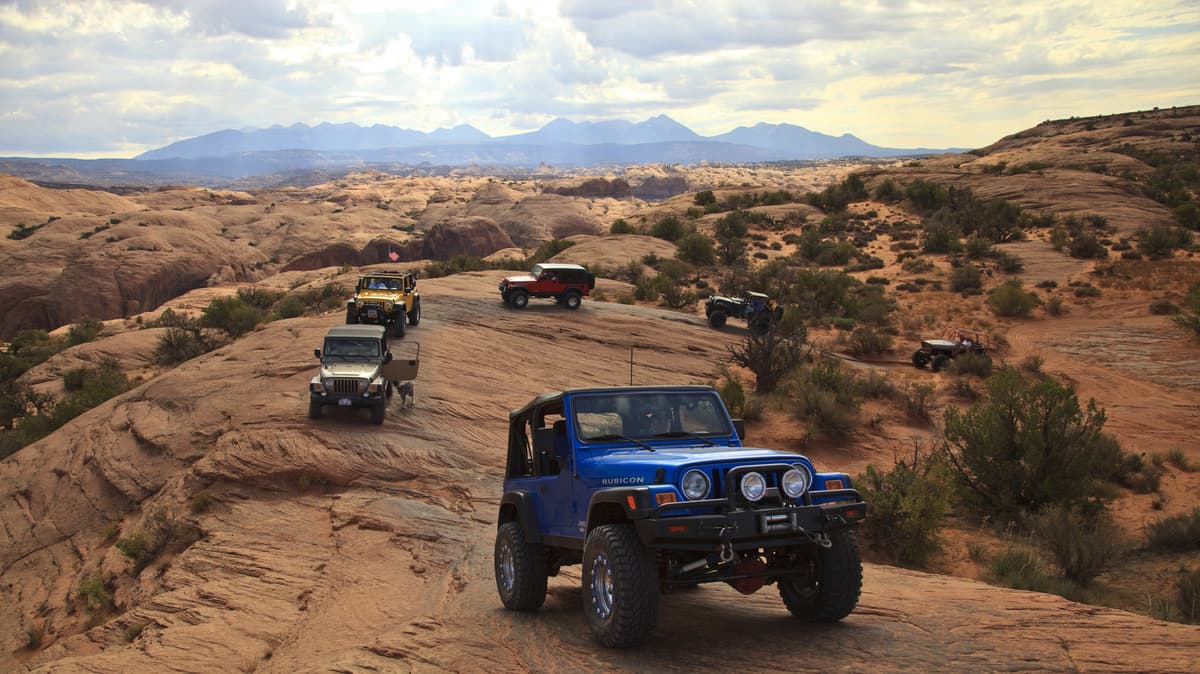
The Difference Between 4-Low And 4-High When Off-Roading On Rough Terrain

Why It Matters
Choosing the correct 4WD range prevents costly drivetrain failures and ensures optimal performance, a critical factor for off‑road enthusiasts and manufacturers alike.
Key Takeaways
- •4‑high allows normal speeds, locks front/rear for traction
- •4‑low limits speed, multiplies torque via low gear ratios
- •Dry pavement with part‑time 4WD causes drivetrain binding
- •Low‑range ratios from 2.7:1 to 4:1 increase wheel torque
- •Correct mode use extends transfer case and axle life
Pulse Analysis
The off‑road segment has surged as consumers seek adventure‑ready SUVs, making the distinction between 4‑high and 4‑low a pivotal buying consideration. While 4‑high delivers on‑road confidence on snow‑covered or wet roads, it leaves the vehicle’s gear ratio untouched, simply engaging both axles for added grip. This mode is ideal for drivers who need occasional traction without sacrificing fuel efficiency or speed, positioning it as a versatile feature in mainstream models like the Jeep Wrangler and Ford Bronco.
Technical nuance lies in the low‑range gear set. By altering the final drive ratio—commonly between 2.7:1 and 4:1—the engine’s output is multiplied, delivering three to four times the torque at the wheels while capping speed around 25 mph. This torque surge enables rock crawling, steep hill climbs, and sand‑dune traversal where wheel slip is essential to avoid drivetrain binding. Manufacturers embed these ratios in part‑time 4WD systems, allowing drivers to shift into low gear only when the terrain demands it, thereby protecting the transfer case from unnecessary stress.
For automakers and aftermarket suppliers, educating owners on proper range selection is a revenue‑protecting strategy. Misuse on dry pavement not only harms the vehicle but also drives warranty claims and diminishes resale value. Emerging electronic differentials and selectable‑torque‑vectoring systems promise to automate the high‑low decision, reducing user error. Until such technologies become mainstream, clear guidance and driver awareness remain the best tools to safeguard both the vehicle’s mechanical health and the driver’s off‑road experience.
The Difference Between 4-Low And 4-High When Off-Roading On Rough Terrain
Comments
Want to join the conversation?
Loading comments...