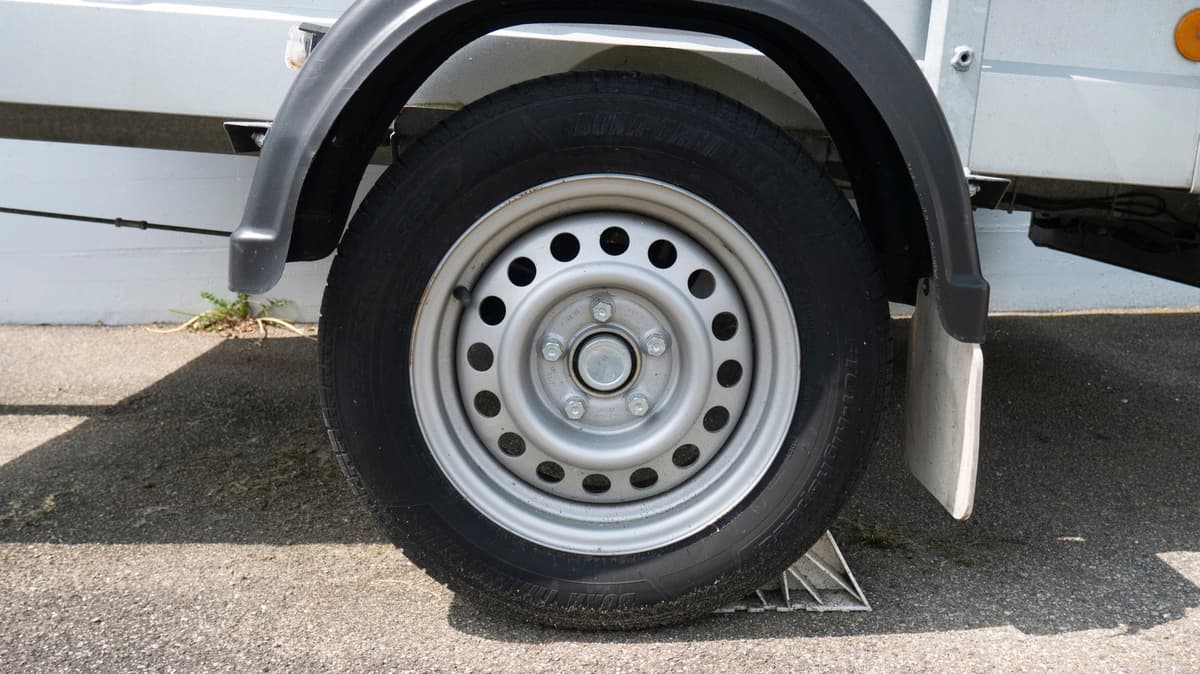
The Differences Between Trailer Tires And Regular Passenger Car Tires

Why It Matters
Using the right trailer tire prevents sway, overheating, and premature failure, directly impacting towing safety and operational costs. Proper selection also optimizes fuel efficiency and extends tire life for commercial and recreational users.
Key Takeaways
- •ST tires feature stiffer sidewalls and stronger steel belts
- •Shallow tread lowers rolling resistance and heat buildup
- •Higher aspect ratios and narrower widths improve load stability
- •Load range and index dictate maximum pressure and capacity
- •Speed ratings typically cap at 65‑81 mph for safety
Pulse Analysis
Trailer tires are engineered for a fundamentally different purpose than passenger car tires. While passenger tires prioritize comfort and grip with flexible sidewalls and deep tread patterns, ST tires emphasize rigidity, using reinforced steel belts and antioxidant‑infused rubber compounds. This construction allows them to sustain higher inflation pressures—often 50 psi or more—and maintain lower operating temperatures on extended hauls, reducing the risk of heat‑related failures that can cause costly downtime.
Sizing and load specifications are another critical distinction. ST tires usually carry higher aspect ratios and narrower widths, creating a smaller contact patch that concentrates pressure and enhances tracking under heavy loads. The load range, indicated by letters such as C1 or C2, defines the tire’s ply rating and maximum pressure, while the load index quantifies the exact weight each tire can support. For example, a load index of 100 translates to roughly 1,764 lb of capacity, a vital figure for operators calculating total trailer weight.
Choosing the appropriate trailer tire goes beyond matching size; it requires aligning load range, load index, and speed rating with the intended use. Most ST tires are rated for 65 mph, though newer models with L or M ratings reach 75‑81 mph, offering greater flexibility for faster travel without compromising stability. Proper tire selection mitigates trailer sway, improves fuel efficiency through reduced rolling resistance, and extends tire lifespan—benefits that resonate across the logistics, RV, and recreational towing markets. As regulations tighten around towing safety, informed decisions on trailer tires become a competitive advantage for businesses and hobbyists alike.
The Differences Between Trailer Tires And Regular Passenger Car Tires
Comments
Want to join the conversation?
Loading comments...