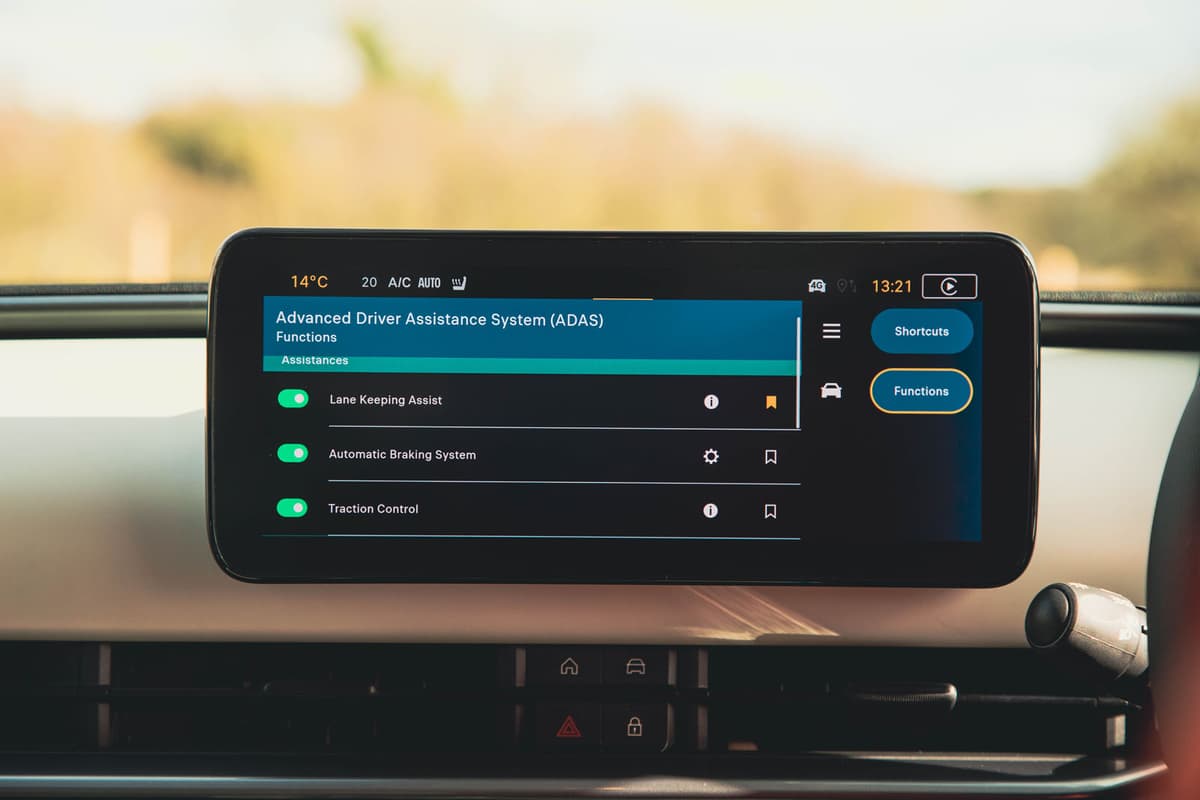
The End of Bings and Bongs? Euro NCAP Overhauls ADAS Testing
Companies Mentioned
Why It Matters
Real‑world ADAS validation will pressure OEMs to deliver safer, less intrusive systems, accelerating consumer trust and compliance with Europe’s mandatory safety regulations.
Key Takeaways
- •Euro NCAP will test ADAS on public roads across three European countries
- •New program adds interior and exterior sensors to capture real‑world driver interactions
- •Adaptive systems must recognize driver attention to avoid intrusive alerts
- •Tailored airbags and seatbelt cameras aim to personalize occupant protection
- •OEMs face pressure to align with Euro NCAP’s on‑road performance standards
Pulse Analysis
The European Union’s General Safety Regulations 2 made intelligent speed assistance, emergency lane‑keeping and autonomous emergency braking standard on new cars from 2022, yet driver sentiment remains mixed. A Thatcham Research survey found 82% of UK motorists feel safer with ADAS, but nearly a quarter label the features as distracting or intrusive, often disabling them. This paradox highlights a critical gap: technology that works in a test environment does not always translate to a seamless in‑cab experience, prompting regulators to rethink validation methods.
Euro NCAP’s new on‑road driving evaluation programme tackles that gap by deploying a suite of ‘ground‑truth’ sensors inside and outside each test vehicle. Over about 1,200 miles in at least three countries, the system records speed‑limit compliance, lane‑keeping interventions, false‑brake incidents and driver‑monitoring data. By logging every reaction, the programme can quantify how often ADAS oversteps, such as aggressive lane corrections, and assess the accuracy of speed‑limit detection. The data will also feed into next‑generation restraint designs, where in‑cabin cameras verify seat‑belt use and tailor airbag deployment to occupant size and position.
For manufacturers, the implications are immediate. OEMs must now demonstrate that their ADAS not only passes laboratory crash tests but also behaves predictably in everyday traffic, or risk lower Euro NCAP scores that influence buyer perception. Semi‑autonomous offerings like Tesla’s Full Self‑Driving, Ford’s BlueCruise and Mercedes‑Benz’s Drive Pilot will come under tighter scrutiny, especially regarding driver‑monitoring fidelity. As adaptive, driver‑aware systems become a regulatory expectation, the industry is likely to accelerate investment in AI‑driven monitoring and personalized safety hardware, ultimately shaping a market where safety performance is measured on real roads rather than simulated tracks.
The end of bings and bongs? Euro NCAP overhauls ADAS testing
Comments
Want to join the conversation?
Loading comments...