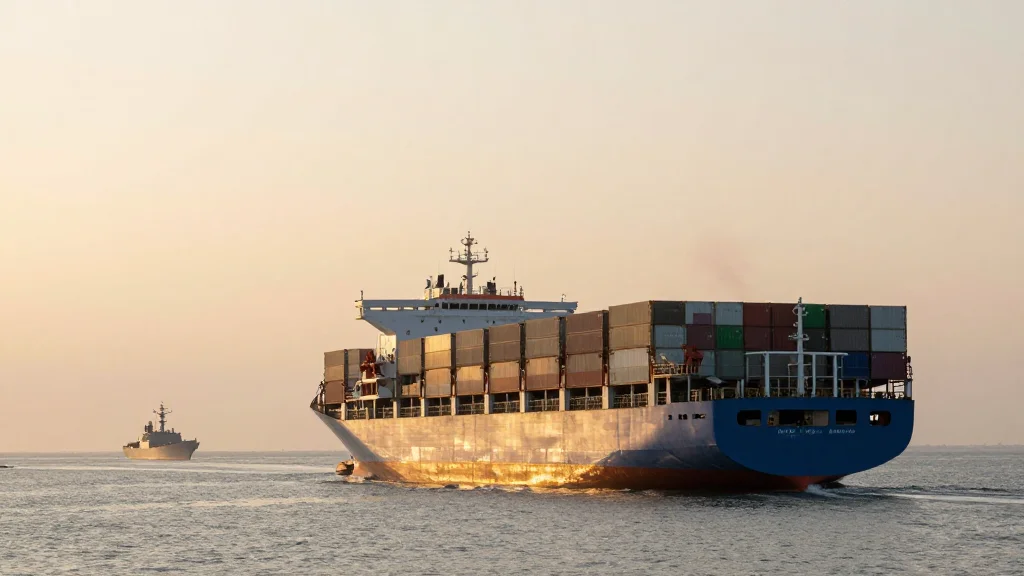
The Hormuz Supply Shock – Beyond Energy
Why It Matters
Disrupted Gulf exports raise input costs for key industries, tightening global supply chains and feeding inflation, while exposing the strategic vulnerability of economies dependent on these commodities.
Key Takeaways
- •Vessel traffic fell from 57 to 14 daily, limiting Gulf exports
- •Gulf supplies 35% of helium, vital for semiconductors and MRI machines
- •Sulphur and urea price spikes increase fertilizer and metal‑processing costs
- •India and Singapore face highest exposure to Gulf‑derived non‑energy imports
Pulse Analysis
The Strait of Hormuz has long been the artery for the world’s energy flow, but its role in moving bulk chemicals is now front‑page news. 2026 data from the OECD shows that the Persian Gulf accounts for roughly half of global sulphur and a third of urea exports, while also delivering a sizable share of helium, methanol, polyethylene and polypropylene. When vessel movements collapsed to a trickle in March‑April, the immediate effect was a sharp contraction in the availability of these inputs, forcing buyers to turn to costly alternatives such as air freight or distant suppliers. This bottleneck quickly translated into price spikes that reverberated through downstream industries, from fertilizer manufacturers to semiconductor fabs, adding a new layer to the inflationary pressures already felt after the pandemic.
The price shock has concrete implications for corporate balance sheets and national economies. Higher sulphur and urea costs raise agricultural input expenses, squeezing farm margins and feeding food‑price inflation. In the automotive sector, the surge in polypropylene prices inflates the cost of interior components, while the semiconductor industry feels the pinch of tighter helium supplies, a critical coolant for high‑performance chips. Countries heavily reliant on Gulf imports—most notably India and Singapore—face heightened exposure, prompting firms to reassess inventory strategies and explore diversification of supply sources.
Policymakers are urged to treat the Hormuz disruption as a broader supply‑chain risk, not merely an energy issue. Short‑term measures include safeguarding free passage through the strait and avoiding export bans that could exacerbate shortages. Medium‑term strategies involve coordinated stockpiling, investment in alternative production hubs, and incentives for firms to diversify both suppliers and end‑markets. By addressing the structural dependence on Gulf by‑products, the global economy can build resilience against future geopolitical shocks.
The Hormuz supply shock – beyond energy
Comments
Want to join the conversation?
Loading comments...