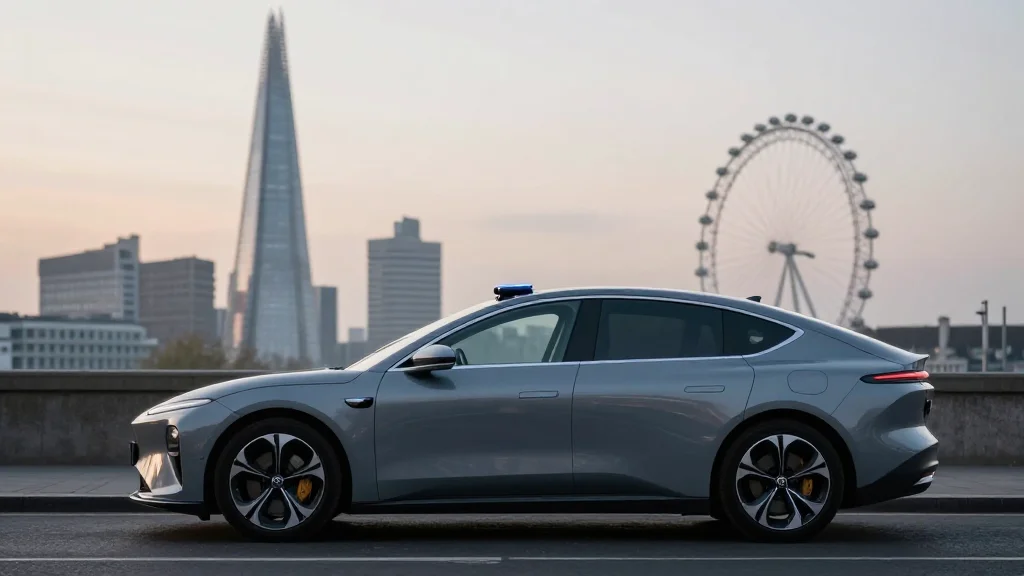
The Institute for Driverless Transport Event Debates Britain’s AV Rollout
Companies Mentioned
Why It Matters
The imminent legal framework and commercial commitments signal a rapid shift toward driverless mobility in the UK, reshaping transport economics, regulatory oversight and labor markets. Stakeholders must adapt to new safety standards, insurance models and energy demands to capture the emerging value chain.
Key Takeaways
- •UK Autonomous Vehicle Act sections activate in 2026, enabling pilot programs
- •Waymo, Lyft, Uber‑Wayve‑Baidu plan UK launches this year
- •Discussions highlighted insurance, cybersecurity, and charging infrastructure challenges
- •Potential job displacement balanced by productivity gains and new mobility services
- •Regulators must address remote‑control access and safety standards
Pulse Analysis
The United Kingdom is poised to become one of the first major economies to operationalise autonomous‑vehicle pilots under its 2024 Autonomous Vehicle Act, slated for activation in 2026. By granting legal permission for driverless cars to run on public roads, the legislation removes a historic barrier and invites tech giants to test scaled services. Waymo, Lyft and a joint venture between Uber, Wayve and Baidu have all signaled intent to launch commercial fleets within the year, positioning the UK as a proving ground for next‑generation mobility.
Industry participants at the IfDT event highlighted a suite of operational challenges that could dictate the success of the rollout. Insurers are grappling with liability models that shift risk from human error to software and sensor failures, while cybersecurity experts warn that remote‑control capabilities introduce new attack vectors. Moreover, electric AVs operating continuously will strain the nation’s charging network, prompting calls for coordinated infrastructure investment. The discussions also touched on broader socioeconomic effects, weighing productivity gains against potential job displacement for professional drivers.
For investors and policymakers, the convergence of regulatory clarity and corporate ambition creates a fertile environment for capital deployment. Companies that can deliver robust safety certifications, secure data pipelines and efficient energy management stand to capture early market share. Simultaneously, the UK government must craft adaptive standards that balance innovation with public safety, ensuring that driverless technology integrates smoothly with existing transport ecosystems. The outcome of these debates will shape not only Britain’s mobility future but also set precedents for global AV adoption.
The Institute for Driverless Transport event debates Britain’s AV rollout
Comments
Want to join the conversation?
Loading comments...