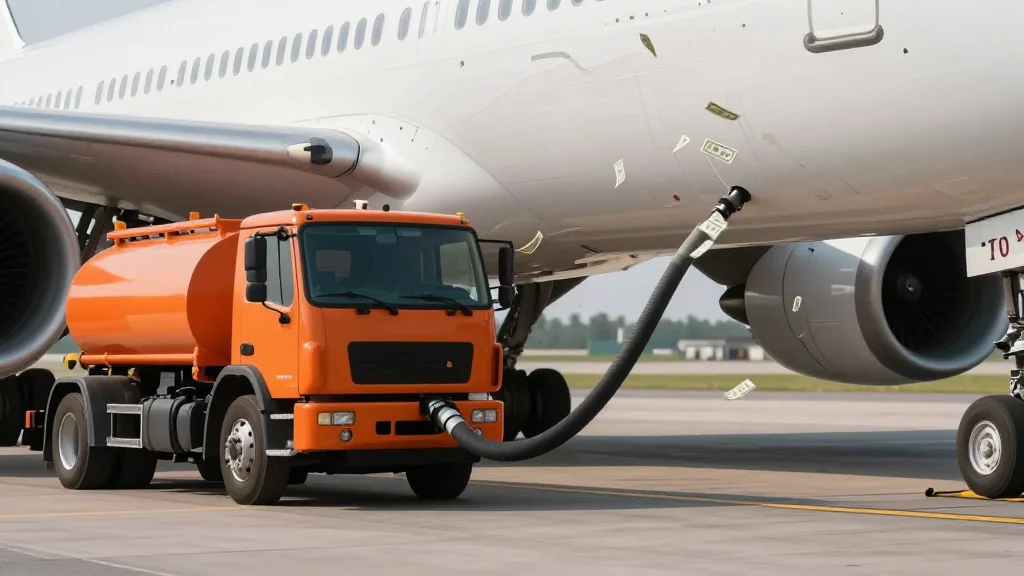
The Iran War Sent Jet Fuel Prices Sky-High. Here's What Air Travelers Should Know
Companies Mentioned
Why It Matters
Rising jet‑fuel expenses threaten airline profitability, prompting fee hikes and service cuts that directly affect travel costs for consumers during a peak summer season. Understanding these adjustments helps passengers plan and mitigate unexpected expenses.
Key Takeaways
- •Jet fuel costs have roughly doubled since start of 2024.
- •Delta will drop snacks on flights under 350 miles starting May 19.
- •U.S. carriers raised first‑bag fees to about $45 amid fuel surge.
- •Airlines adding fees for mileage bookings and suspending marginal routes.
- •Travelers should book early, choose flexible fares, and use credit‑card perks.
Pulse Analysis
The war in Iran has choked the Strait of Hormuz, a conduit for roughly 20% of the world’s oil and LNG, driving jet‑fuel prices to unprecedented levels. Airlines cite fuel as their second‑largest expense after labor, so the near‑doubling of costs since early 2024 has forced a scramble for cost‑containment measures. Delta’s decision to eliminate snack service on sub‑350‑mile routes reflects a broader industry trend: trim ancillary spend while preserving the core product, a strategy that avoids overt ticket‑price hikes that could deter price‑sensitive travelers.
Across the United States, legacy carriers have responded by raising checked‑baggage fees to roughly $45 for the first bag and testing new surcharges on mileage‑redeemed tickets. Some carriers, like Air Canada, are suspending routes deemed uneconomical under the new fuel regime, reshaping the competitive landscape and potentially reducing consumer choice on certain corridors. These incremental fee adjustments serve as a surgical approach, targeting discretionary spend rather than blanket fare increases, which helps airlines manage cash flow while still absorbing the bulk of the fuel shock.
For passengers, the immediate takeaway is to act quickly. Booking flights now, opting for flexible rather than basic‑economy fares, and leveraging airline credit‑card benefits can offset rising ancillary costs. Tools such as Google Flights’ price‑tracker allow travelers to monitor fare fluctuations and capitalize on any post‑booking price drops, often converting the difference into travel credits. In a market where fuel costs are unlikely to recede soon, proactive planning and strategic use of loyalty programs are the most effective ways to shield oneself from escalating travel expenses.
The Iran war sent jet fuel prices sky-high. Here's what air travelers should know
Comments
Want to join the conversation?
Loading comments...