Why It Matters
Accurate, cryptographic ticket validation reduces fare disputes, protects revenue, and supports the seamless rollout of Great British Railways. It also mitigates security risks inherent in legacy physical tickets and smartcard systems.
Key Takeaways
- •Sentinel decodes RSP‑6 barcodes using RSA‑based public‑key verification
- •Homoglyph matrix corrects OCR errors from watermarked physical tickets
- •Smartcard ITSO relies on symmetric keys, raising key‑management concerns
- •Unified validation stream needed for offline‑first checks under GBR
Pulse Analysis
The rail sector’s shift toward Great British Railways (GBR) spotlights a long‑standing gap between the language passengers read on tickets and the machine‑level restrictions that actually govern travel. Digital tickets, encoded as RSP‑6 Aztec barcodes, carry a cryptographically signed payload that can be verified instantly against public keys held by the Rail Delivery Group. This deterministic approach eliminates guesswork, ensuring that a passenger’s journey is authorized exactly as intended, and it scales effortlessly across the national network.
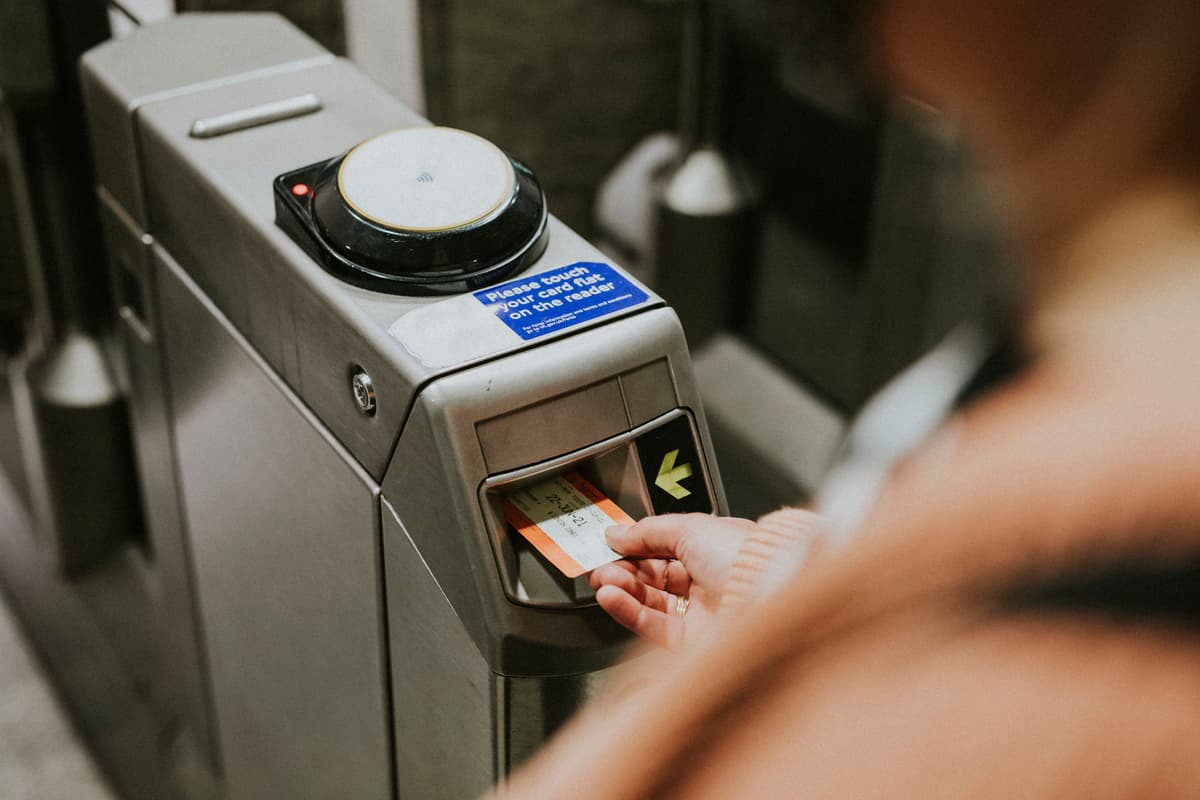
Physical tickets present a different challenge. Their high‑frequency watermarks, designed to deter counterfeiters, introduce visual noise that confounds standard optical character recognition. Whiston’s Sentinel tackles this by employing a homoglyph replacement matrix, which maps visually similar characters to their correct codes based on a predefined dictionary of UK restriction identifiers. The result is a reliable reconstruction of the ticket’s contractual intent, even when the image quality is compromised by rain‑soaked stations or aging paper stock.
Smartcards, governed by the ITSO standard, add another layer of complexity through symmetric cryptography. Unlike asymmetric RSA signatures, symmetric keys must remain secret on both the card and the validation device, creating a single point of failure if mishandled. Effective key‑management and a move toward unified, offline‑first validation mechanisms are therefore critical for maintaining network security while delivering a seamless commuter experience. By consolidating digital, physical, and smartcard validation streams, the rail industry can achieve the operational efficiency and security required for the next era of British rail travel.
The machine truth of rail ticketing
Comments
Want to join the conversation?
Loading comments...