The Myth of Mobility: Why Faster Cities Often Leave People Behind
Key Takeaways
- •Speed-focused planning isolates daily needs from homes
- •Non-drivers face barriers to essential services
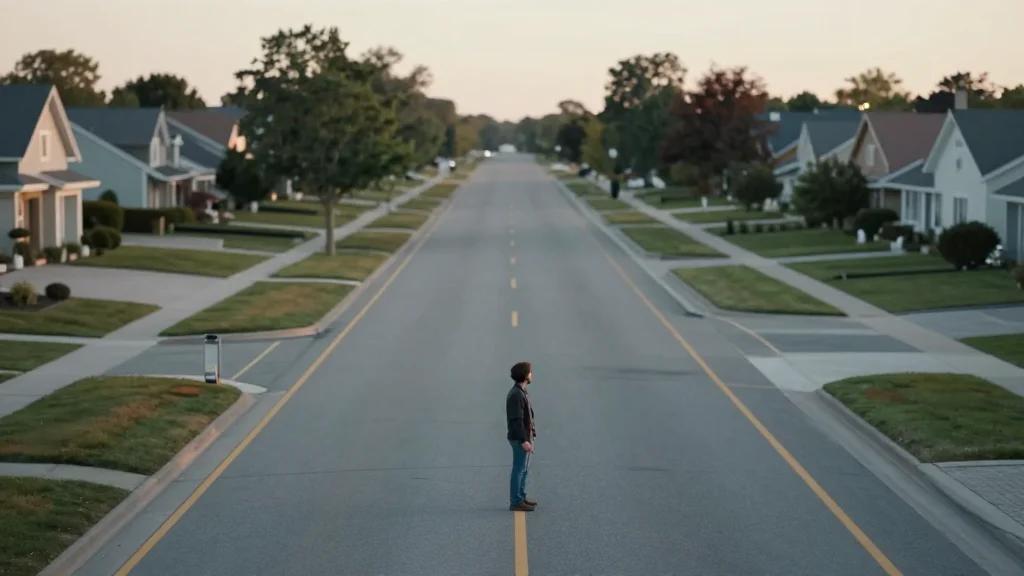
- •Empty streets reduce safety and social interaction
- •Neighborhood-scale design restores walkable access
- •Courtyard block model integrates green space and services
Pulse Analysis
The legacy of twentieth‑century transportation policy in the United States revolves around federal highway funding, engineering standards, and performance metrics such as Level of Service. These tools rewarded high vehicle speeds and minimized congestion, encouraging sprawling road networks and zoning that separates residential blocks from commercial nodes. Over decades, this paradigm produced cities where the distance between a home and a grocery store or library can span several miles, making car ownership a prerequisite for ordinary daily routines. The infrastructure, while efficient for automobiles, often neglects pedestrians, cyclists, and those unable to drive, creating a systemic mobility gap.
Beyond the physical distance, the social consequences of car‑centric design are profound. When streets lack foot traffic, they lose the informal surveillance Jane Jacobs called "eyes on the street," diminishing perceived safety and discouraging further pedestrian activity. Empty sidewalks curtail spontaneous neighborly encounters, eroding the social capital that underpins vibrant communities. This feedback loop—fewer walkers leading to less activity, which in turn deters walking—exacerbates isolation for seniors, children, and low‑income residents, while also inflating traffic congestion as more trips become longer and car‑dependent.
Reimagining mobility requires shifting the metric from speed to access. Neighborhood‑scale interventions, such as the courtyard block model, cluster housing around shared green courtyards and embed essential services within a five‑minute walk. These designs foster pedestrian‑friendly streetscapes, revive local businesses, and provide communal spaces that encourage interaction without relying on high‑speed travel. Policymakers can support this transition by revising zoning codes, investing in mixed‑use developments, and prioritizing funding for pedestrian infrastructure. By aligning urban form with human scale, cities can deliver genuine mobility—where freedom is measured by ease of reaching daily needs, not by how fast one can drive.
The Myth of Mobility: Why Faster Cities Often Leave People Behind
Comments
Want to join the conversation?