The Pros And Cons Of Tubed Vs. Tubeless Motorcycle Tires

Why It Matters
The distinction influences safety, maintenance time, and performance, affecting both everyday commuters and off‑road enthusiasts. Manufacturers and riders must align tire architecture with wheel design to optimize handling and reduce downtime.
Key Takeaways
- •Tubeless tires offer slower puncture leaks and easier on‑the‑road repairs.
- •Tubeless design reduces unsprung weight, improving handling and heat dissipation.
- •Tubed tires excel on spoked wheels for off‑road durability and rim flex.
- •Damaged alloy rims compromise tubeless seals, causing pressure loss.
- •Tubed tires deflate instantly on high‑speed punctures, increasing blowout risk.
Pulse Analysis
The shift from tubed to tubeless motorcycle tires mirrors broader advances in wheel engineering. Early bikes relied on wire‑spoked rims that could not hold air, necessitating an inner tube. When precision‑cast alloy wheels emerged in the mid‑20th century, they provided a sealed bead surface, allowing manufacturers to eliminate the tube and create a lighter, more efficient tire. This transition accelerated in the United States after Goodrich introduced its first tubeless model in 1947, setting a new standard for street‑focused motorcycles.
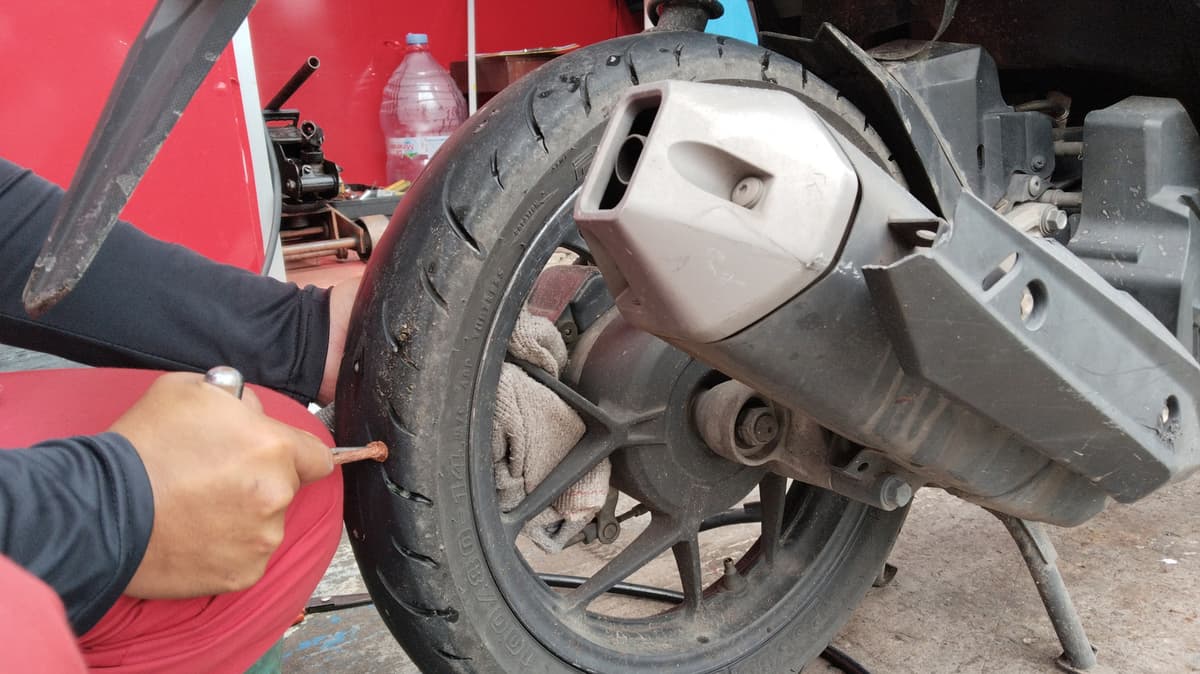
From a performance standpoint, tubeless tires deliver tangible benefits. The absence of an inner tube reduces unsprung mass, enabling the suspension to react more quickly to road irregularities, which translates into sharper handling and reduced rider fatigue. Additionally, the airtight bead design helps dissipate heat, extending tread life under aggressive riding. In puncture scenarios, the tire’s tread can often seal around small objects, allowing riders to safely continue or perform a quick plug repair without removing the wheel—a crucial advantage for long‑distance touring. Conversely, tubed tires retain relevance in off‑road environments where spoked wheels absorb impacts that would otherwise crack an alloy rim, preserving air integrity even after severe deformation.
Looking ahead, manufacturers are exploring hybrid solutions such as tubeless‑compatible spoked rims and advanced sealant technologies that combine the durability of tubed designs with the convenience of tubeless systems. For riders, the choice boils down to matching tire architecture with intended use: street and track riders benefit from tubeless efficiency, while enduro and adventure riders may prioritize the resilience of tubed setups. Aligning wheel type, riding terrain, and maintenance preferences ensures optimal safety and performance across the motorcycle spectrum.
The Pros And Cons Of Tubed Vs. Tubeless Motorcycle Tires
Comments
Want to join the conversation?
Loading comments...