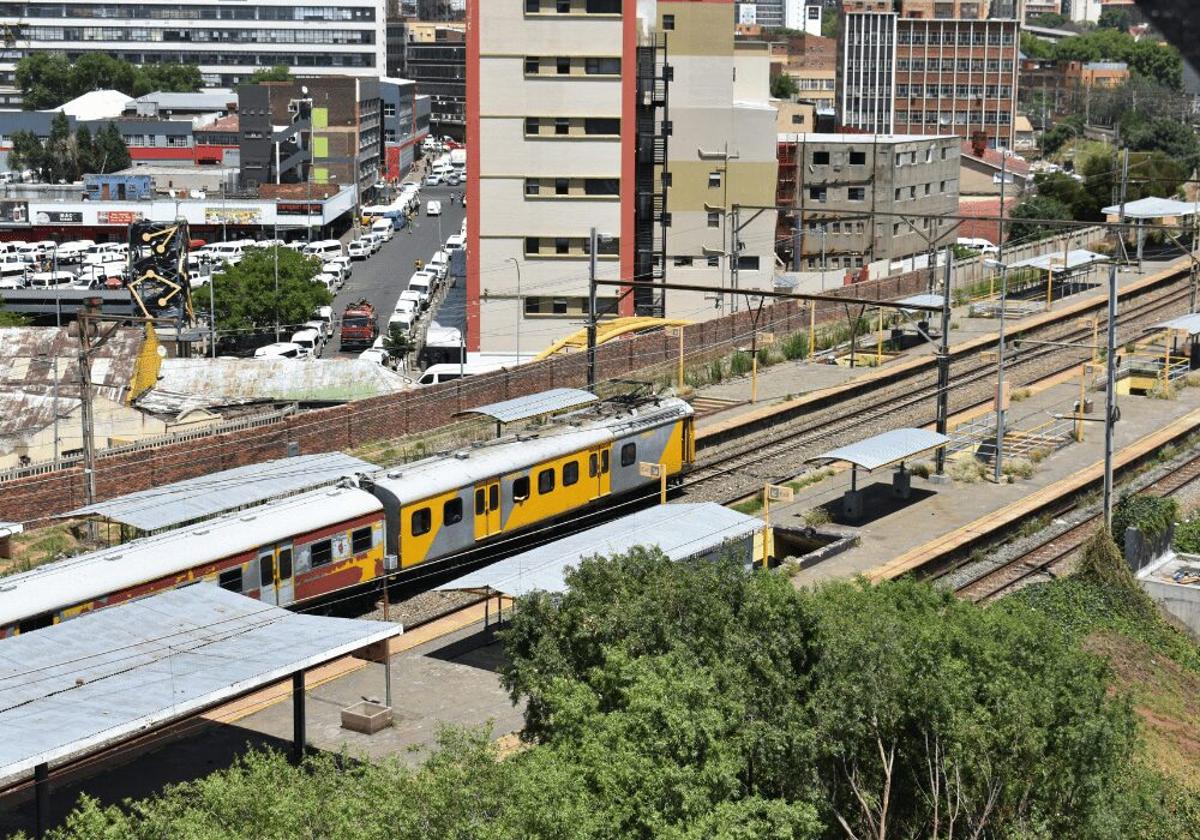
The R2.8Bn Private Investment Unlocking SA’s Struggling Rail Logistics Sector
Why It Matters
The deal injects much‑needed capital and competition into a rail system plagued by inefficiency, promising faster export lanes and reduced road congestion across southern Africa.
Key Takeaways
- •ARC wins access to operate on South Africa’s freight rail network
- •Investment totals R2.8bn (~$150 million) with 30% equity, rest debt
- •Focus on Gauteng‑Durban corridor and Mozambique border routes
- •Plans to haul DRC copper to Maputo, boosting regional trade
- •Private rail entry aims to alleviate Transnet bottlenecks and road congestion
Pulse Analysis
South Africa’s freight rail sector has long been a bottleneck for the nation’s export‑driven economy, with Transnet’s aging infrastructure and chronic equipment shortages limiting capacity. In response, the government launched an ambitious logistics reform worth nearly R2 trillion, encouraging private operators to bring capital, technology, and management expertise to the rail network. By opening access to 11 bidders, policymakers hope to create a competitive environment that can modernise tracks, improve scheduling, and ultimately lower the cost of moving bulk goods to ports.
ARC’s R2.8 billion commitment marks a significant private‑sector vote of confidence in the region’s rail potential. The funding structure—30% equity from Middle‑Eastern private equity, shipping firms, and development finance institutions, with the balance in debt—mirrors blended‑finance models that de‑risk large infrastructure projects. ARC plans to concentrate on the high‑volume Gauteng‑Durban corridor, a critical artery for container traffic, while also extending services to the northeastern border with Mozambique. Its broader strategy includes transporting copper from the Democratic Republic of Congo to Maputo, linking mineral supply chains across southern Africa and tapping into rising global demand for critical resources.
If ARC’s operations succeed, the ripple effects could be profound. Faster, more reliable rail services would alleviate congestion on South Africa’s roads, reducing transport emissions and wear on highways. Exporters would gain a more predictable logistics channel, enhancing competitiveness against other African ports. Moreover, the public‑private partnership model could serve as a template for further infrastructure upgrades, encouraging additional foreign investment and fostering regional integration. In a continent where logistics costs remain a barrier to trade, South Africa’s rail revitalisation could become a catalyst for broader economic growth.
The R2.8Bn Private Investment Unlocking SA’s Struggling Rail Logistics Sector
Comments
Want to join the conversation?
Loading comments...