The Rise and Fall of Spirit Airlines
Companies Mentioned
Why It Matters
Spirit’s collapse removes a major source of low‑cost travel, pressuring competitors to fill the gap and potentially raising fares for price‑sensitive consumers.
Key Takeaways
- •Spirit’s 34‑year run ended with a sudden May 2026 shutdown.
- •9,000 flights cancelled, leaving thousands of employees without clear guidance.
- •Rising fuel costs and $2 billion debt accelerated the airline’s failure.
- •Market gap may boost fares as rivals scramble for displaced demand.
Pulse Analysis
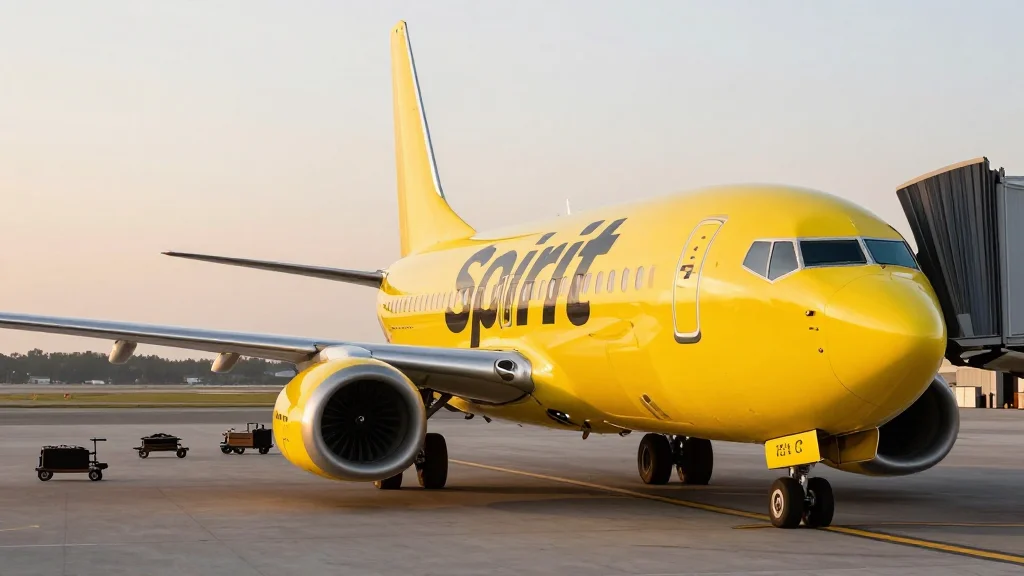
Spirit Airlines pioneered the ultra‑low‑cost carrier (ULCC) model in the United States, leveraging a no‑frills service, ancillary revenue streams, and aggressive digital marketing to sell seats as low as $39. Its bright yellow livery and “no‑sacrifice” ads resonated with budget‑oriented travelers, allowing the airline to expand to over 70 destinations and become the nation’s largest ULCC by passenger volume. The carrier’s growth was fueled by a high aircraft utilization rate and a fleet of Airbus A320 family jets purchased at discount rates, cementing its reputation as a disruptor in a market dominated by legacy carriers.
The abrupt May 2026 shutdown was the culmination of several financial pressures. Persistent volatility in jet fuel prices eroded Spirit’s thin margins, while the airline carried roughly $2 billion in debt after a leveraged buyout in 2020. A proposed merger with a major legacy carrier fell apart amid regulatory scrutiny, leaving Spirit without the capital infusion it needed to refinance its obligations. Simultaneously, labor disputes over wages and scheduling intensified, prompting a wave of resignations that crippled operational capacity and forced the cancellation of 9,000 flights.
Spirit’s exit creates a vacuum in the low‑fare segment, prompting competitors such as Frontier, Allegiant, and emerging regional players to vie for the displaced customer base. The Federal Aviation Administration is likely to reallocate the airline’s slots at congested airports, potentially giving legacy carriers a foothold in price‑sensitive routes. For consumers, the immediate effect may be higher ticket prices and reduced frequency on secondary markets, though the longer‑term landscape could see a new wave of ULCC entrants seeking to replicate Spirit’s aggressive cost structure under more disciplined financial oversight.
The rise and fall of Spirit Airlines
Comments
Want to join the conversation?
Loading comments...