The Rule Change that Could End Maddening Car Safety Tech
Companies Mentioned
Why It Matters
The evolving safety rules reshape how automakers design ADAS, directly affecting vehicle cost, consumer satisfaction, and competitive differentiation in a market where driver experience is becoming as crucial as crash protection.
Key Takeaways
- •EU GSR2 mandates default‑on intelligent speed assistance from July 2024
- •Euro NCAP 2026 protocol will increase driver‑monitoring requirements
- •Changan Deepal S07 shows ADAS can be subtle yet effective
- •Future alerts may shift to visual or pedal‑feedback cues, reducing annoyance
- •Lane‑keeping systems expected to operate more in the background
Pulse Analysis
Regulators are tightening the safety net around modern vehicles. The EU’s General Safety Regulation 2, which took full effect in July 2024, obliges manufacturers to equip every new model with intelligent speed assistance that remains active from ignition, alongside autonomous emergency braking, lane‑keeping and driver‑attention warnings that can only be disabled through a deliberate sequence. This default‑on approach eliminates the “off‑by‑default” loophole many brands previously exploited, compelling engineers to integrate safety functions more seamlessly into the driving experience.
At the same time, Euro NCAP’s 2026 testing regime is set to raise the bar on driver‑monitoring technologies. By emphasizing seat‑belt compliance, eye‑tracking and occupant posture, the new protocol will likely drive a wave of more proactive, and potentially more intrusive, ADAS alerts. However, the industry is already exploring softer feedback mechanisms—visual warnings on the instrument cluster or tactile pedal vibrations—aimed at reducing the auditory “bings and bongs” that have frustrated drivers for years. These adjustments could preserve safety outcomes while improving perceived comfort.
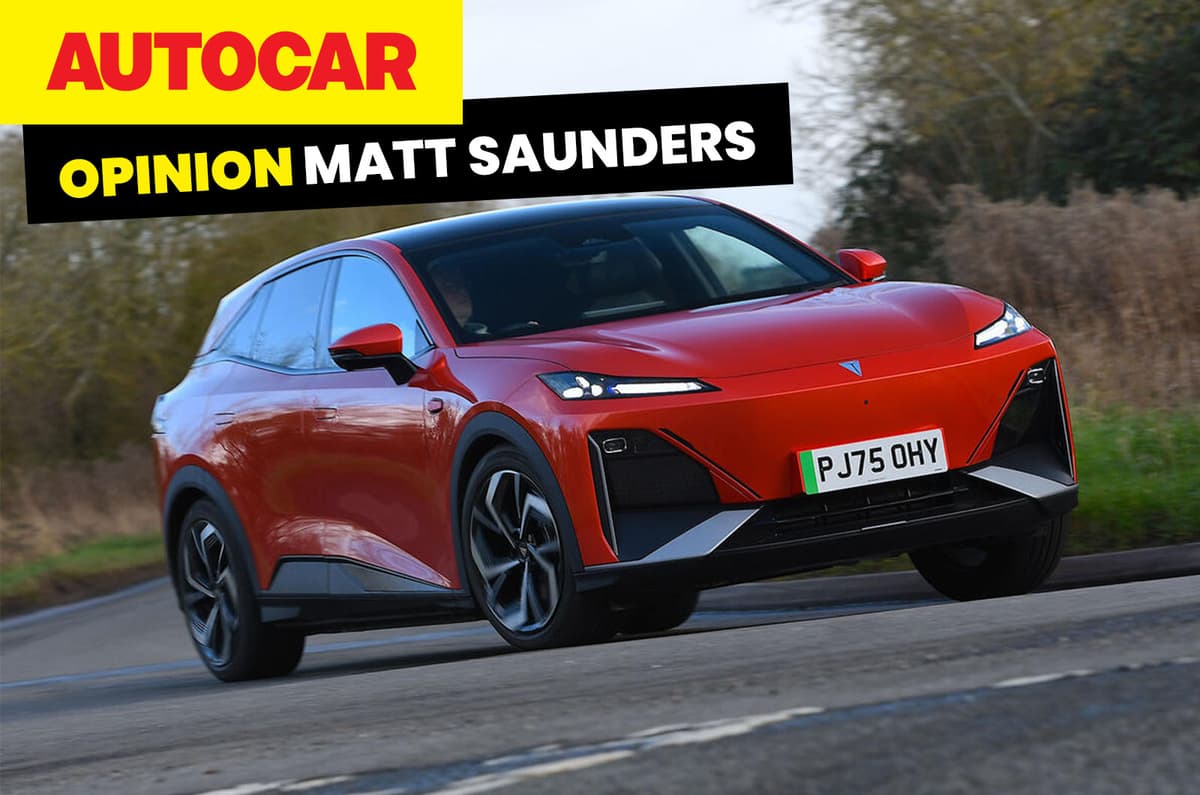
For automakers, the challenge is to turn compliance into a competitive advantage. The Changan Deepal S07, a Chinese‑brand EV, illustrates that an ADAS suite can be both effective and unobtrusive, delivering safety without constant interruption. As consumers grow weary of overbearing systems, brands that master subtle assistance—leveraging the forthcoming regulatory leeway on alert modalities—will differentiate themselves in a crowded market. The next 12‑24 months will reveal whether the industry can reconcile stringent safety mandates with a driver‑centric experience, potentially reshaping the future of vehicle assistance technology.
The rule change that could end maddening car safety tech
Comments
Want to join the conversation?
Loading comments...