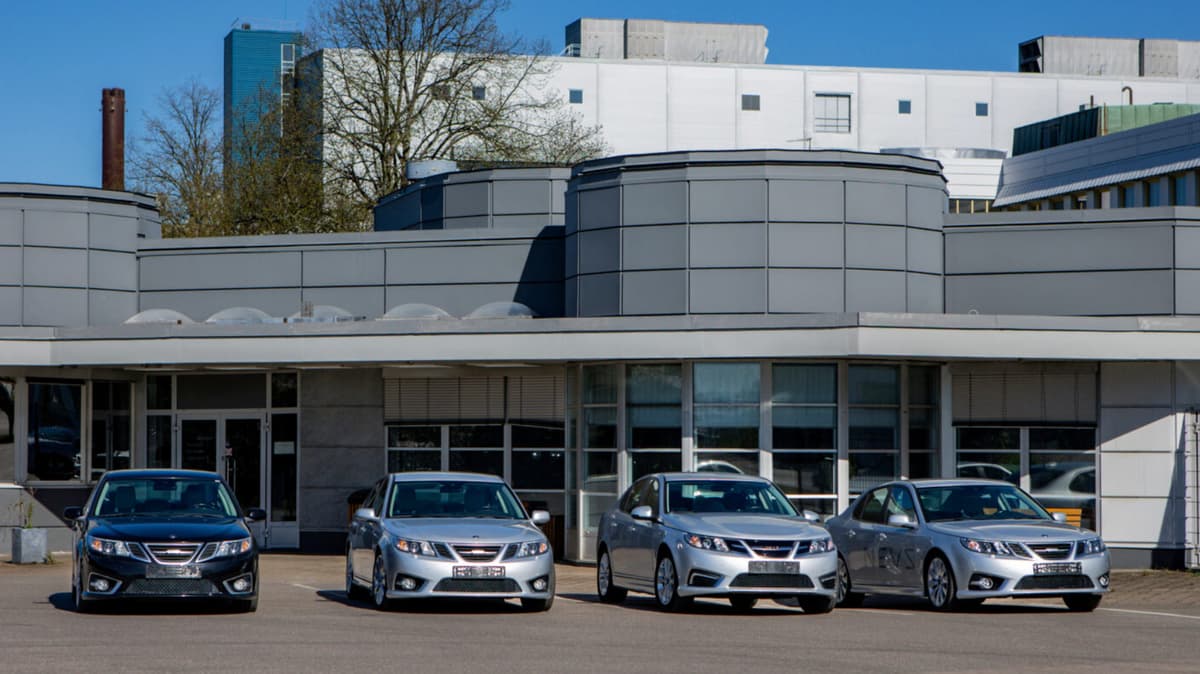
The Saab Story Finally Ends As It Auctions Off The Last Of Its Cars

Why It Matters
The sale signals the end of Saab’s 90‑year automotive legacy and underscores the challenges legacy brands face transitioning to electric platforms without strong capital backing. It also highlights how Chinese investment and EV ambitions can reshape, but not always rescue, struggling Western manufacturers.
Key Takeaways
- •NEVS auctioning eight Saab vehicles on Klaravik next week.
- •Includes three 2014 9‑3 Aero models with low mileage.
- •Final lot features electric prototypes and the Hengchi 5 EV.
- •Saab’s Trollhättan plant partially sold to Polestar for R&D.
- •Saab’s automotive brand ends after 15 years under NEVS.
Pulse Analysis
The final Saab auction is more than a nostalgic clearance; it reflects a broader industry pattern where legacy automakers struggle to secure the capital needed for an electric transformation. NEVS, backed by China’s Evergrande, attempted to revive Saab with electric variants of the 9‑3, but limited production runs and a failed partnership with Canadian EV startup Electra left the brand without a viable path forward. By liquidating the remaining inventory—three classic 9‑3 Aéros, a rare Hengchi 5 SUV, and three prototype EVs—NEVS is cutting its losses and reallocating resources, a move that mirrors similar exits by other heritage marques that could not adapt quickly enough to shifting consumer demand and regulatory pressures.
Saab’s story also illustrates the geopolitical complexities of cross‑border automotive ventures. The Swedish firm’s journey from General Motors to Dutch Spyker, then to a Chinese property conglomerate, underscores how political and strategic interests can both enable and hinder brand resurrection. While Evergrande’s real‑estate collapse in 2021 removed a critical financial lifeline, the partial sale of the historic Trollhättan plant to Polestar shows that valuable engineering assets can still find new life under more focused EV players. This transfer of facilities not only preserves jobs but also contributes to Sweden’s growing reputation as a hub for electric vehicle research and development.
For investors and industry observers, Saab’s final chapter serves as a cautionary tale about the importance of sustainable financing, clear brand positioning, and realistic EV rollout timelines. The auction’s modest lot size—just eight cars—highlights how quickly a once‑iconic name can fade without a coherent strategy. Yet the legacy endures in Saab’s aerospace division and in the cultural memory of enthusiasts who prized its distinctive engineering quirks. As the automotive sector continues its rapid electrification, the Saab case reinforces that heritage alone cannot guarantee survival; decisive capital, technology partnerships, and market relevance remain paramount.
The Saab Story Finally Ends As It Auctions Off The Last Of Its Cars
Comments
Want to join the conversation?
Loading comments...