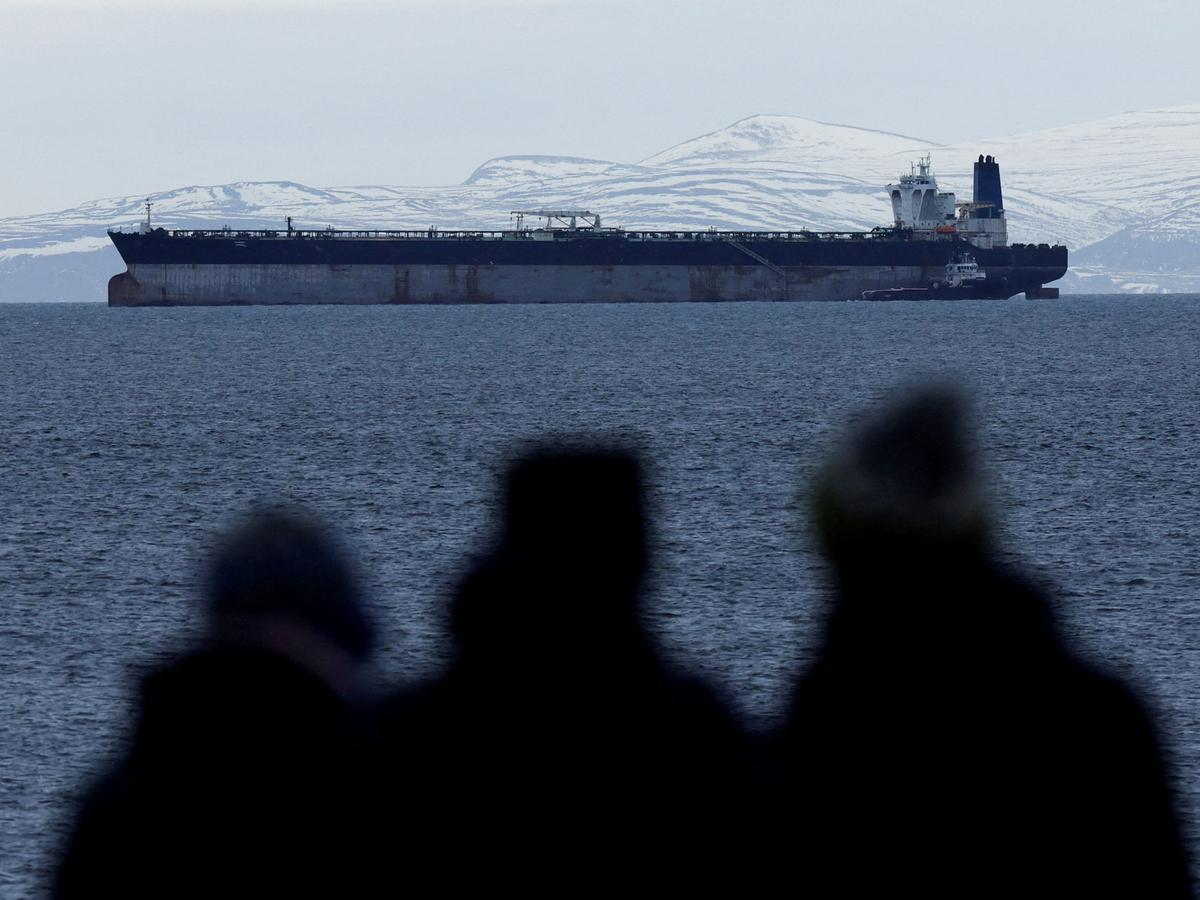
The Shadow Fleet Is Undermining the Maritime Order More Brazenly than Ever
Why It Matters
The surge and brazen behavior of the shadow fleet threatens the rules‑based maritime order, raising safety, environmental and geopolitical stakes for global trade.
Key Takeaways
- •2026 inspections detained more shadow vessels than any prior year.
- •Russian navy began escorting shadow ships through English Channel and Baltic Sea.
- •EU sanctions list now includes ~600 shadow vessels, limiting port access.
- •Shadow tankers caused €60 million ($69 million) undersea cable damage in Gulf of Finland.
- •False‑flagged ships in Baltic Sea rose fourfold in late 2025.
Pulse Analysis
The shadow fleet’s rapid expansion reflects a broader erosion of the post‑World‑II rules‑based maritime system. As sanctions tighten on sanctioned oil from Russia and Iran, operators turn to aging, uninsured vessels that hide ownership and routes. This illicit network now accounts for over 18 percent of the global oil tanker fleet, creating a parallel logistics channel that sidesteps traditional compliance checks and fuels geopolitical tension.
Coastal states are escalating countermeasures, but the response is uneven. The European Union’s blacklist of roughly 600 vessels, combined with intensified port‑state controls by Denmark and coordinated NATO patrols, signals a growing willingness to enforce maritime law. Yet Russian naval escorts for shadow ships and the proliferation of false‑flagged registrations expose gaps in enforcement, especially in chokepoints like the English Channel and the Gulf of Finland. These developments increase the risk of collisions, oil spills, and even sabotage of critical undersea infrastructure, as demonstrated by the $69 million cable damage incident.
Beyond immediate safety concerns, the shadow fleet reshapes global energy markets and supply‑chain resilience. By bypassing price caps and sanctions, these vessels keep sanctioned oil flowing, dampening the intended impact of Western policy tools. Their presence also forces insurers, shipbuilders, and regulators to reconsider risk models, while nations such as India and the United States grapple with the legal complexities of boarding and seizing vessels operating outside traditional jurisdiction. The trajectory suggests a more confrontational maritime environment, where the balance between enforcement and escalation will define the future of international shipping.
The shadow fleet is undermining the maritime order more brazenly than ever
Comments
Want to join the conversation?
Loading comments...