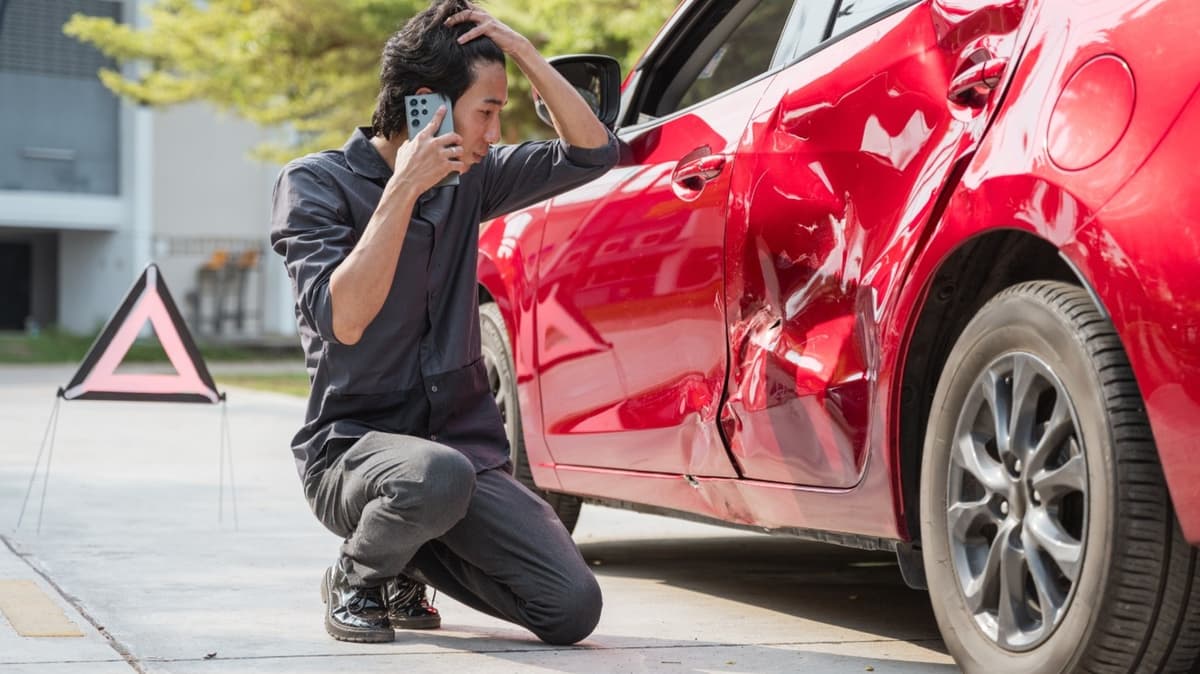
The Snitch Data Modern Cars Could Collect In An Accident

Companies Mentioned
Why It Matters
The growing depth of in‑car data collection raises privacy and liability concerns for drivers, insurers, and regulators, potentially reshaping how accident investigations and claims are handled.
Key Takeaways
- •99.6% of new light vehicles have Event Data Recorders (EDR).
- •NHTSA mandates 15 core data points, up to 30 additional metrics.
- •Tesla, GM, and other systems capture video and location during crashes.
- •FTC barred GM from sharing OnStar data without driver consent.
- •Misinterpreted EDR data could affect insurance claims and legal outcomes.
Pulse Analysis
Event Data Recorders have evolved from niche safety tools in the 1970s to near‑ubiquitous components in today’s cars. By the 2017 model year, almost every new light vehicle shipped with an EDR, and federal law now obliges manufacturers to disclose their presence in owner manuals. The NHTSA’s baseline list of 15 data elements—ranging from longitudinal delta‑V to seat‑belt status—provides investigators with a granular snapshot of crash dynamics, while optional extensions can capture engine RPM, steering angle, and even driver weight, offering a comprehensive view of driver behavior.
The data landscape extends far beyond the black box. Tesla’s onboard system records up to 30 seconds of video when a safety event triggers, citing emergency‑response benefits. GM’s OnStar platform can harvest driver‑behavior metrics, precise geolocation, and external camera footage, invoking a vague “reasonable expectations” clause that leaves privacy boundaries unclear. The Federal Trade Commission’s recent order barring GM from sharing OnStar data without explicit consent underscores regulatory scrutiny, and the ensuing lawsuit over alleged data sales highlights the commercial value and legal exposure tied to these telemetry streams.
For consumers, insurers, and policymakers, the implications are profound. Detailed telemetry can streamline claim verification, but it also creates avenues for data misuse, misinterpretation, or unwarranted surveillance. Insurers may leverage EDR insights to adjust premiums, while courts could rely on this data to adjudicate fault. As legislators contemplate stricter consent frameworks, drivers should review privacy settings, understand their vehicle’s data capabilities, and consider opting out of nonessential services where possible. The convergence of safety, data analytics, and privacy will shape the next wave of automotive regulation and consumer trust.
The Snitch Data Modern Cars Could Collect In An Accident
Comments
Want to join the conversation?
Loading comments...