The Strait of Hormuz May Reopen, But the System Has Already Broken
Why It Matters
The loss of trust in Hormuz permanently raises shipping costs and fragments energy flows, forcing companies and governments to redesign supply chains for resilience rather than efficiency.
Key Takeaways
- •Hormuz vessel traffic dropped 90% to roughly three ships per day.
- •War‑risk insurance withdrawal halted commercial navigation despite physical reopening.
- •Cape of Good Hope rerouting adds 10‑14 days and thousands of miles.
- •Energy buyers diversify to Atlantic, African sources as Gulf share erodes.
Pulse Analysis
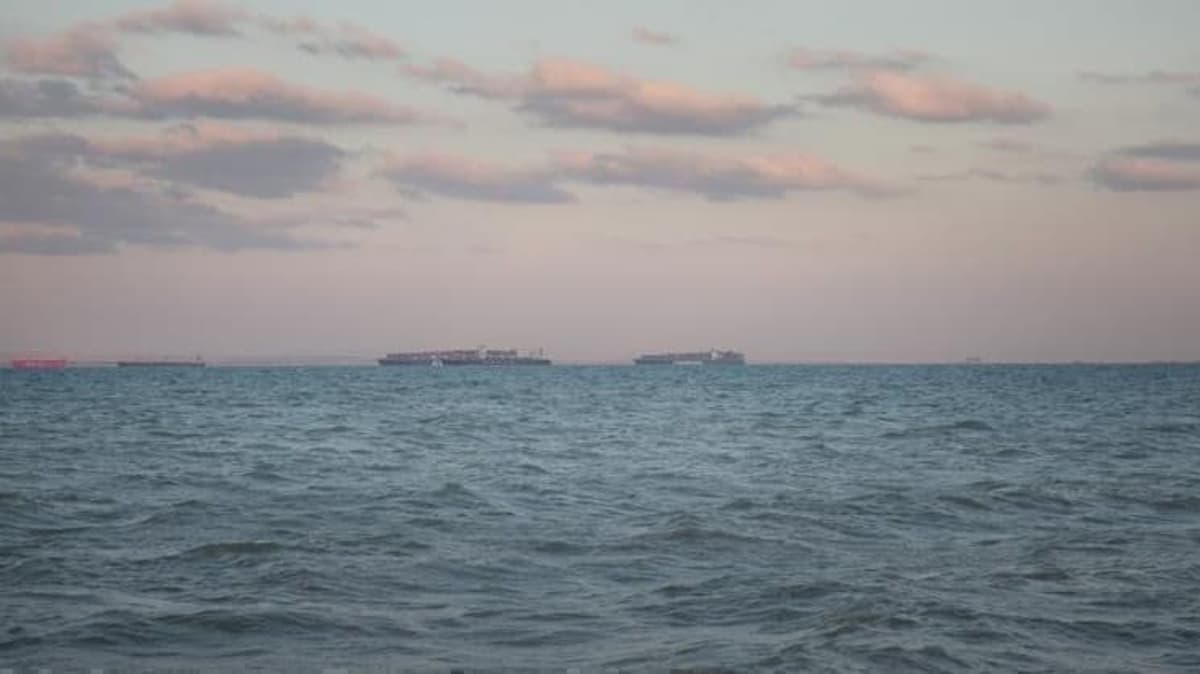
The Hormuz crisis illustrates a deeper market transformation: reliability, not mere physical access, now dictates maritime behavior. When war‑risk insurers pulled coverage in early March, carriers chose to idle fleets outside the strait, effectively sealing it off. This risk‑perception shift has outlasted any official reopening, signaling that trust—once broken—does not rebound quickly. The result is a new baseline where shipping firms embed redundancy into route planning, accepting higher voyage costs as a trade‑off for security.
Rerouting through the Cape of Good Hope has become the default for many Asia‑Europe oil and container shipments, extending transit times by 10‑14 days and adding thousands of nautical miles. Those extra days translate into higher fuel consumption, crew expenses, and charter rates, inflating freight costs across the board. Simultaneously, oil exporters from the Gulf have seen export volumes plunge over 60%, pushing barrels into floating storage and prompting buyers in Europe and Asia to accelerate diversification toward Atlantic, African, and U.S. LNG sources. The combined effect is a permanent uplift in energy prices and a more regionalized supply architecture.
Strategically, the Hormuz episode accelerates a shift toward resilient infrastructure. Governments and private firms are channeling capital into alternative pipelines to the Red Sea, offshore storage hubs, and new transshipment facilities that bypass vulnerable chokepoints. This investment trajectory is unlikely to reverse, even if geopolitical tensions ease, because the cost of re‑establishing pre‑crisis efficiencies would outweigh the security premium now baked into logistics contracts. In sum, the reopening of Hormuz marks a symbolic milestone, but the maritime and energy systems have already moved onto a new, risk‑aware paradigm.
The Strait of Hormuz May Reopen, But the System Has Already Broken
Comments
Want to join the conversation?
Loading comments...