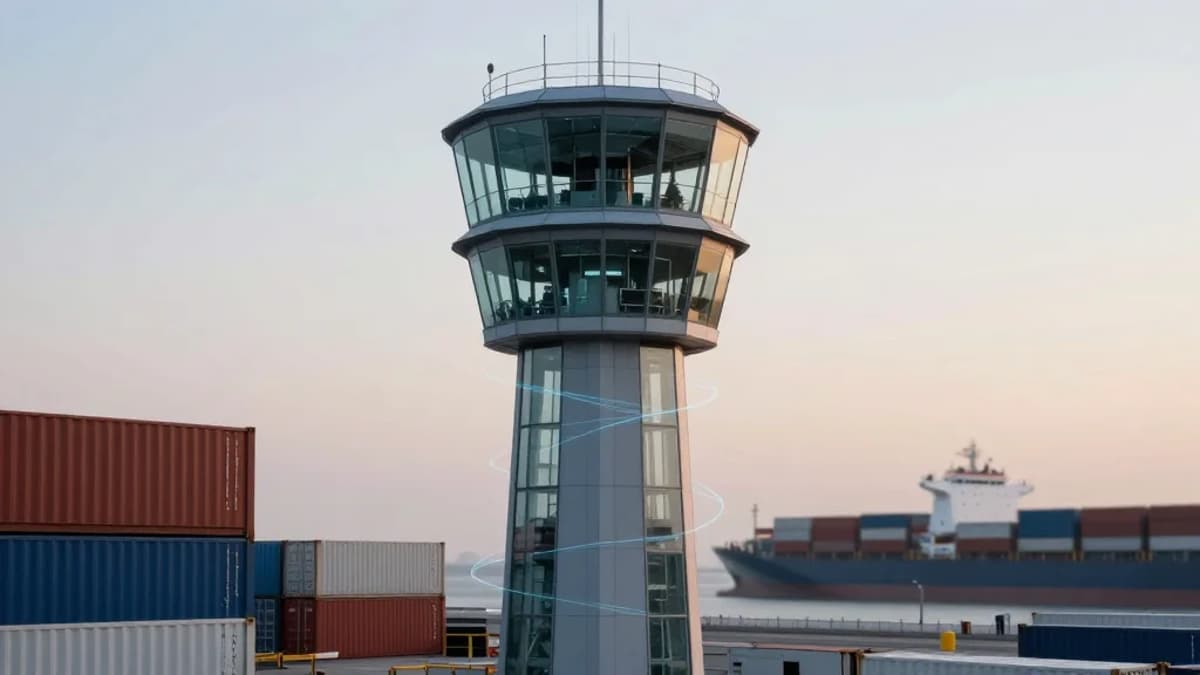
The Supply Chain Control Tower: Myth & Reality (Part I)
•March 2, 2026
0
Why It Matters
Control towers are becoming essential for companies seeking agile, resilient supply chains and a competitive edge in a data‑driven market.
Key Takeaways
- •Control towers aim for end‑to‑end supply chain visibility
- •Pandemic highlighted need for real‑time data and agility
- •AI/Gen‑AI can process trillions of data points
- •No single platform solves all integration challenges yet
- •Sustainability and compliance now integral to tower functions
Pulse Analysis
The concept of a supply‑chain control tower emerged in the mid‑1990s, when pioneers like i2 Technologies attempted to centralize logistics data on pre‑internet architectures. Early platforms struggled with connectivity and partner participation, resulting in fragmented visibility and mistrust. The advent of the internet and cloud‑based multi‑tenant solutions, such as GTNexus’s “Facebook for Logistics,” transformed the landscape by enabling simultaneous data sharing across trading partners. Yet, even today, most enterprises must integrate multiple systems—TMS, WMS, ERP—to approximate a true cradle‑to‑grave view, underscoring the persistent integration challenge.
When COVID‑19 disrupted global flows, the shortcomings of legacy supply‑chain practices were starkly exposed. Companies that had invested in real‑time dashboards and predictive analytics could anticipate port closures, labor shortages, and demand spikes, thereby mitigating cost overruns and stockouts. Modern control towers now leverage AI and generative AI to ingest billions of data points, forecast demand, and recommend corrective actions before disruptions materialize. This proactive stance not only safeguards revenue but also strengthens collaboration among suppliers, carriers, and customers through shared, cloud‑based platforms.
Looking ahead, the sheer scale of data—potentially trillions of discrete elements per container—poses a formidable hurdle. Advanced analytics, high‑performance computing, and scalable AI models will be critical to transform raw data into actionable intelligence. At the same time, sustainability mandates and regulatory scrutiny are reshaping tower priorities, demanding carbon‑footprint tracking and compliance monitoring. Firms that can fuse real‑time visibility, predictive insight, and responsible practices into a cohesive control‑tower strategy will be best positioned to navigate future shocks and sustain competitive advantage.
The Supply Chain Control Tower: Myth & reality (Part I)
0
Comments
Want to join the conversation?
Loading comments...